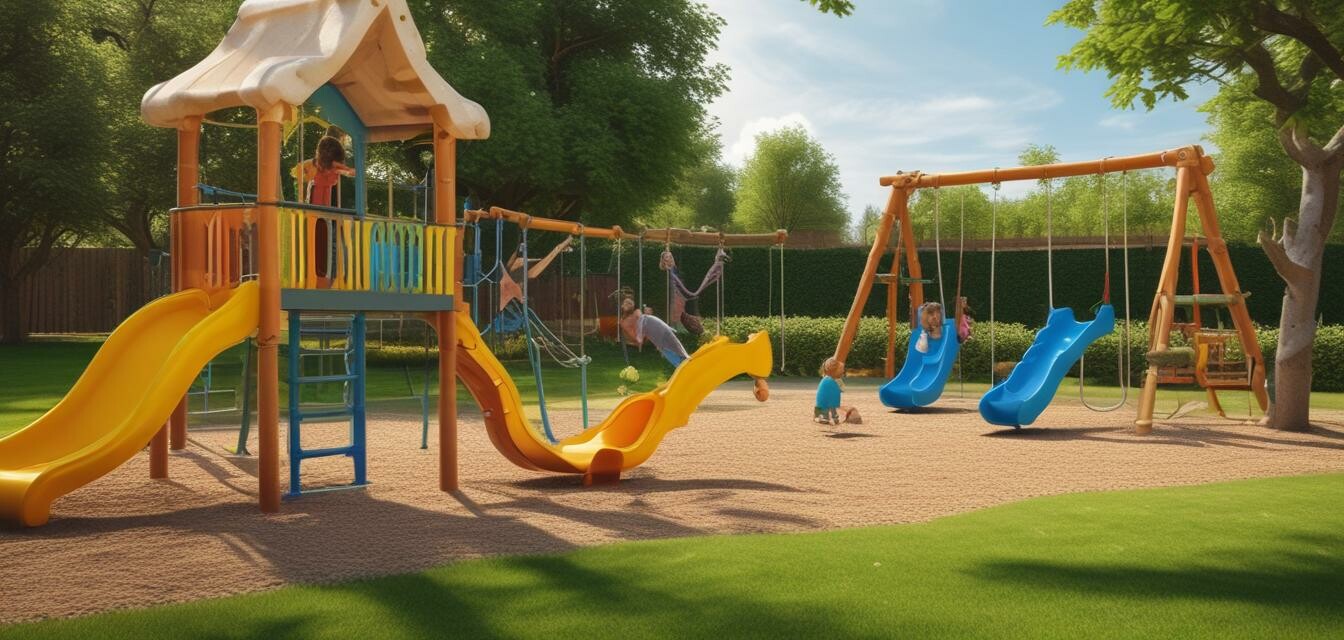
The Impact of Sustainability on Outdoor Play Products
Key Takeaways
- Sustainability trends are shaping the design and production of outdoor play equipment.
- Eco-friendly materials are becoming more common in the manufacturing of toys.
- Safety and durability remain top priorities alongside green practices.
- Parent preferences are leaning towards sustainable options, impacting market offerings.
- Understanding these trends is essential for informed purchasing decisions.
As the world evolves and consumers become more conscious of climate change, sustainability is now at the forefront of many industries, including outdoor play. In this article, we will explore how sustainability trends are significantly influencing the outdoor play equipment market, touching upon materials, production practices, and the growing demand for eco-friendly options.
Understanding sustainability in outdoor play
Sustainability refers to the ability to meet our needs without compromising future generations' ability to meet theirs. In outdoor play, this concept encompasses everything from the materials used to make toys, the production processes, to the entire lifecycle of the products.
Materials Matter
One of the most visible impacts of sustainability in outdoor play products is the materials used. Traditional plastics are increasingly being replaced by more eco-friendly alternatives. Here are some popular sustainable materials:
| Material | Description | Benefits |
|---|---|---|
| Recycled Plastics | Plastic made from post-consumer waste | Reduces landfill waste, lower carbon footprint |
| Bamboo | A fast-growing grass that is renewable | Natural, durable, and biodegradable |
| Reclaimed Wood | Wood sourced from old structures or discarded furniture | Reduces deforestation, unique aesthetic |
| Cork | A natural, renewable material from the bark of cork oak trees | Water-resistant and lightweight |
| Natural Rubber | Latex from rubber trees that is sustainably harvested | Durable, flexible, and biodegradable |
Production Practices
Sustainable production practices are equally important. Companies are adopting methods that minimize their environmental footprint. Some trending practices include:
- Energy Efficiency: Utilizing solar panels and other renewable energy sources to reduce energy consumption during production.
- Waste Reduction: Implementing policies to recycle scrap materials and reduce manufacturing waste.
- Ethical Labor Practices: Ensuring fair labor practices and conditions for all workers involved in the production process.
- Local Sourcing: Reducing carbon emissions by sourcing materials and labor locally.
Consumer Trends in Outdoor Play
As parents seek to raise environmentally conscious children, there's a noticeable shift in purchasing behavior. The demand for eco-friendly options in outdoor play products is growing:
Eco-Friendly Options
Parents are increasingly opting for outdoor toys that are:
- Made from sustainable materials
- Durable and long-lasting to avoid frequent replacements
- Safe for children and the environment
- Produced by companies with transparent and ethical practices
Adjusting to New Preferences
To cater to this demand, manufacturers are pivoting their strategies. They are focusing not only on creating exciting products for play but also on ensuring these products contribute positively to the environment.
The Importance of Eco-Friendly Play Equipment
Using eco-friendly toys helps children develop an early awareness of environmental issues. Encouraging outdoor play with sustainable toys can foster a love of nature and promote active lifestyles. It's vital for parents to understand how their choices in play products can benefit both their children and the planet.
Conclusion
Sustainability is no longer just a trend but a priority in the outdoor play equipment market. As consumers become increasingly aware of the importance of environmental issues, manufacturers must adapt to these preferences. By focusing on eco-friendly materials and sustainable production practices, the industry can continue to offer children exciting and safe outdoor experiences while promoting a healthier planet for future generations.
Pros
- Healthier for the environment
- Encourages responsible consumerism
- Long-lasting products reduce waste
- Inspires children to appreciate nature
Cons
- Potentially higher upfront costs
- Not all products are certified eco-friendly
- Limited availability depending on location
For more insights on outdoor play trends, check out our other articles on Trends in Outdoor Play, or if you're looking for safe practices in outdoor play, visit our Safety Tips section. If you’re ready to explore the latest outdoor games, our Outdoor Games category has you covered!