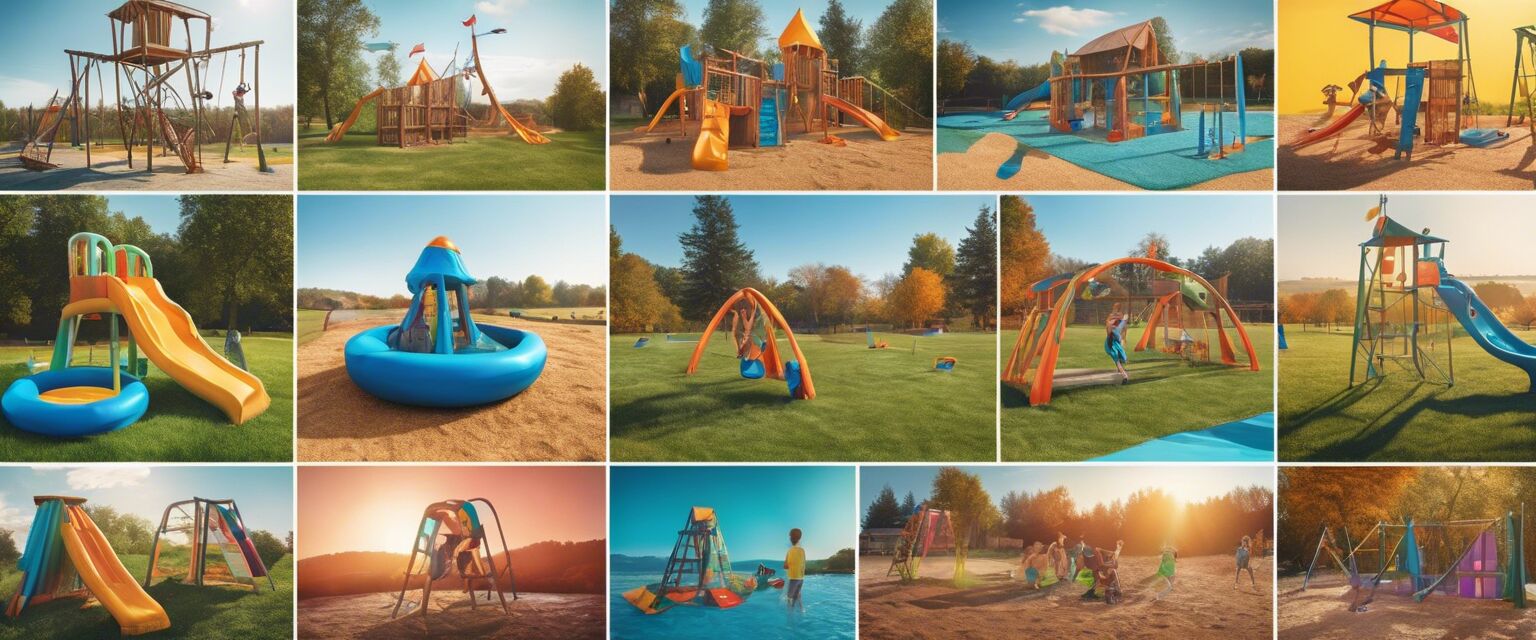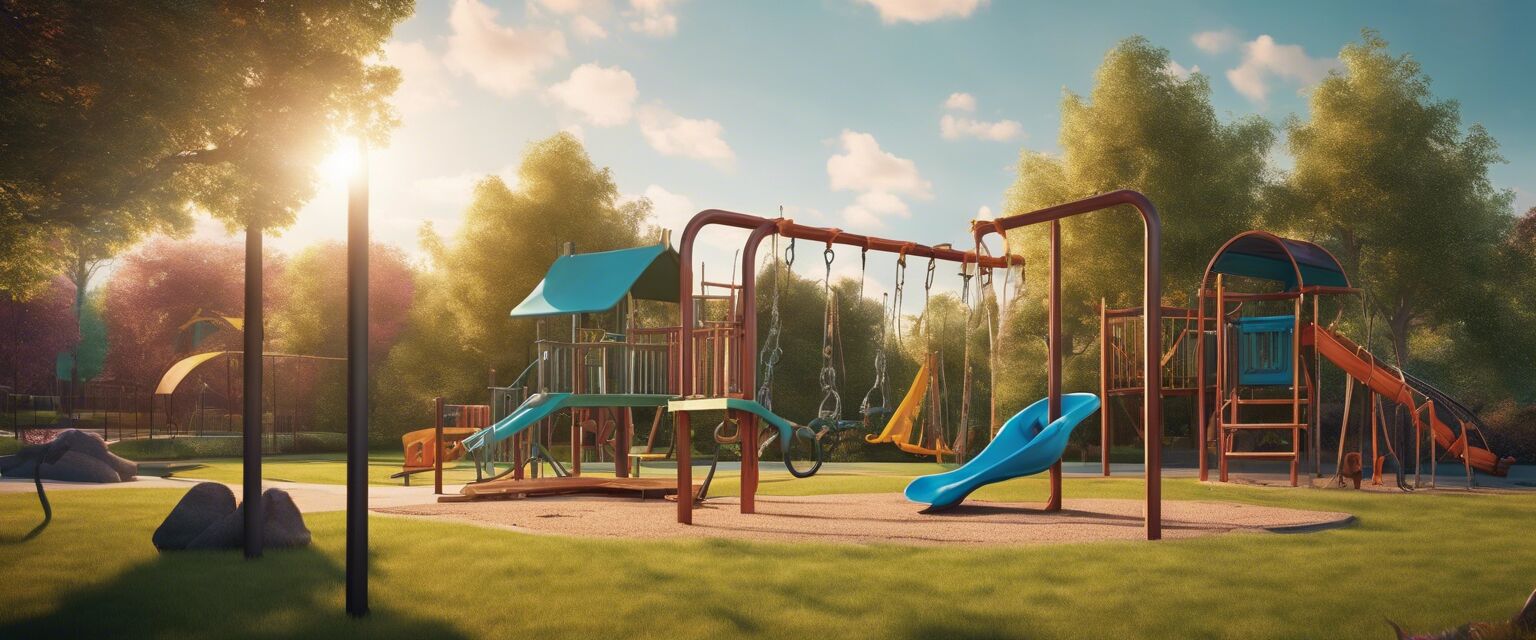
Safety Tips for Outdoor Play
Ensuring the safety of children during outdoor play is essential for their enjoyment and well-being. This article offers crucial safety tips and best practices to help guardians create a secure environment for children to engage in outdoor activities. Applying these best practices will allow kids to enjoy the great outdoors while minimizing risks.
Key Takeaways
- Always supervise children during outdoor play.
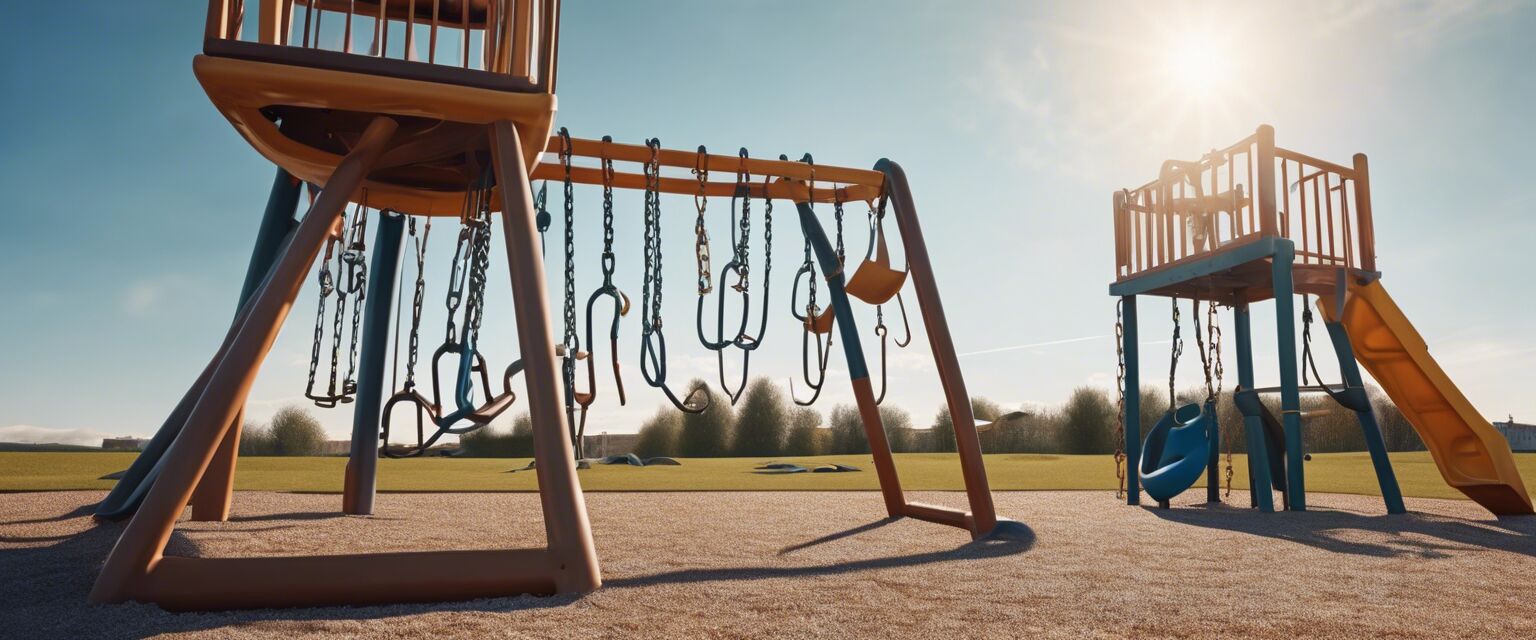
- Inspect play equipment regularly for safety hazards.
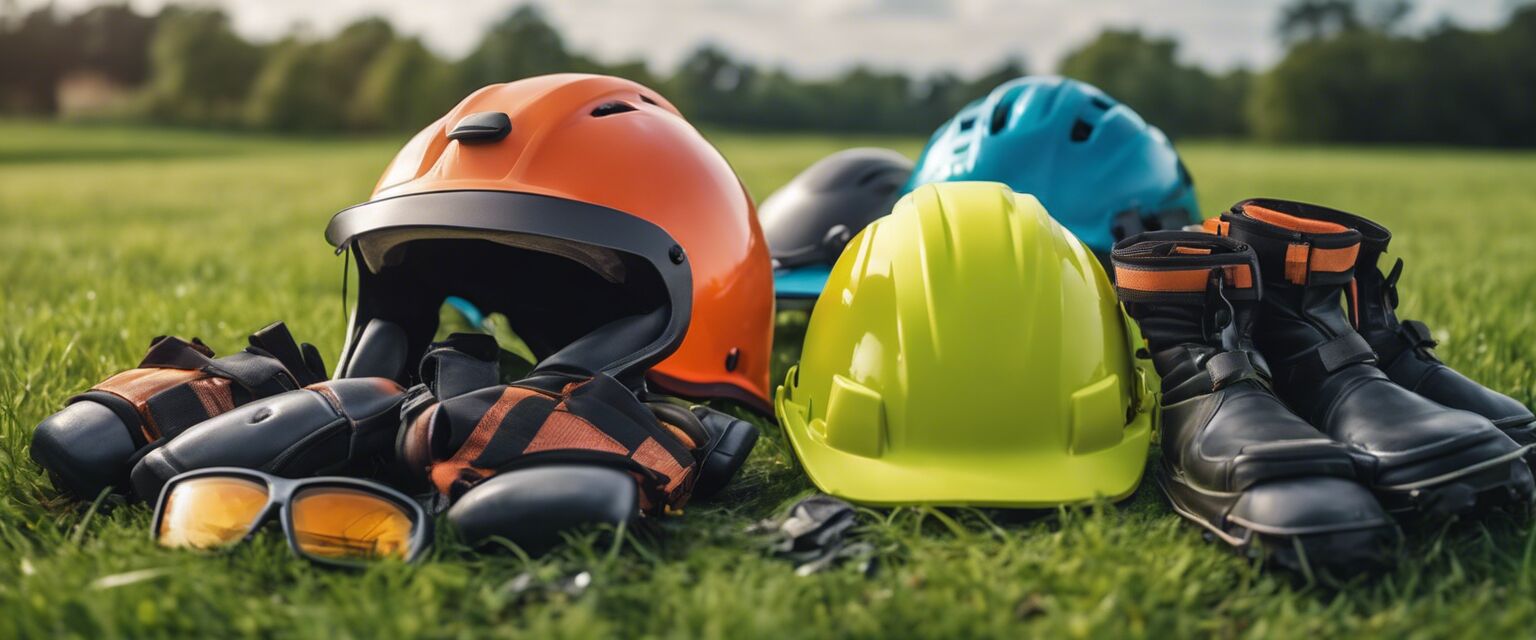
- Ensure children wear appropriate clothing and protective gear.
- Teach kids the importance of staying hydrated and applying sunscreen.
- Establish safety rules and guidelines for outdoor games.
Why outdoor play is important
Outdoor play is essential for a child's physical and mental development. It encourages them to explore their surroundings, engage in physical activity, and develop social skills. To ensure that these benefits are enjoyed without unnecessary risks, implementing safety measures is vital.
General safety tips
Here are some general safety tips you should consider when planning outdoor play activities:
| Tip | Description |
|---|---|
| Supervision | Always keep an eye on your children while they play to quickly address any potential hazards. |
| Play area setup | Ensure the play area is free of potential hazards like sharp objects or toxic plants. |
| Regular equipment checks | Inspect all play equipment frequently to ensure everything is in good condition and safe for use. |
| Safe toys | Make sure toys are age-appropriate and do not pose choking hazards. |
| Sunscreen | Apply sunscreen to protect against harmful UV rays during prolonged outdoor activities. |
Specific safety tips for different outdoor activities
Different outdoor activities have unique safety considerations. Here are some tailored safety tips for popular outdoor play scenarios:
Climbing structures
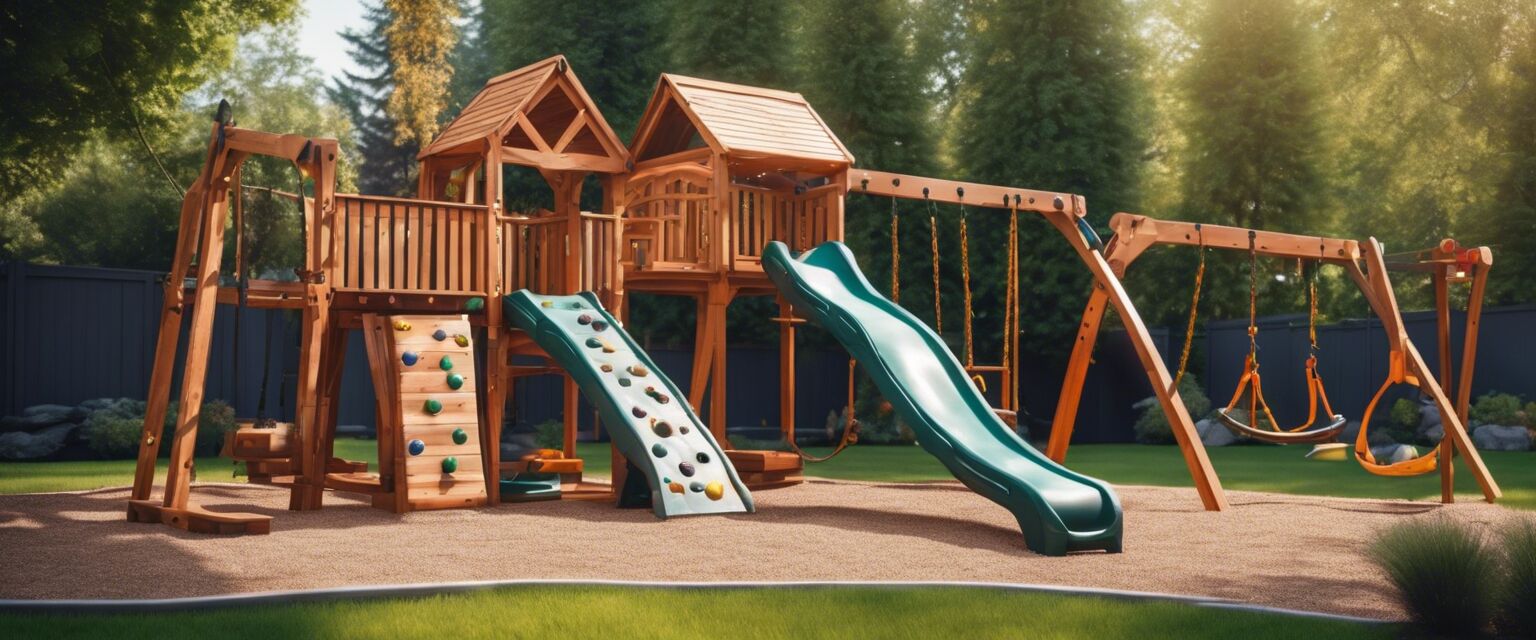
- Ensure the base around climbing structures is cushioned with mulch or rubber mats.
- Teach children to wait their turn to prevent overcrowding.
- Supervise to ensure proper climbing techniques are being used.
Outdoor games
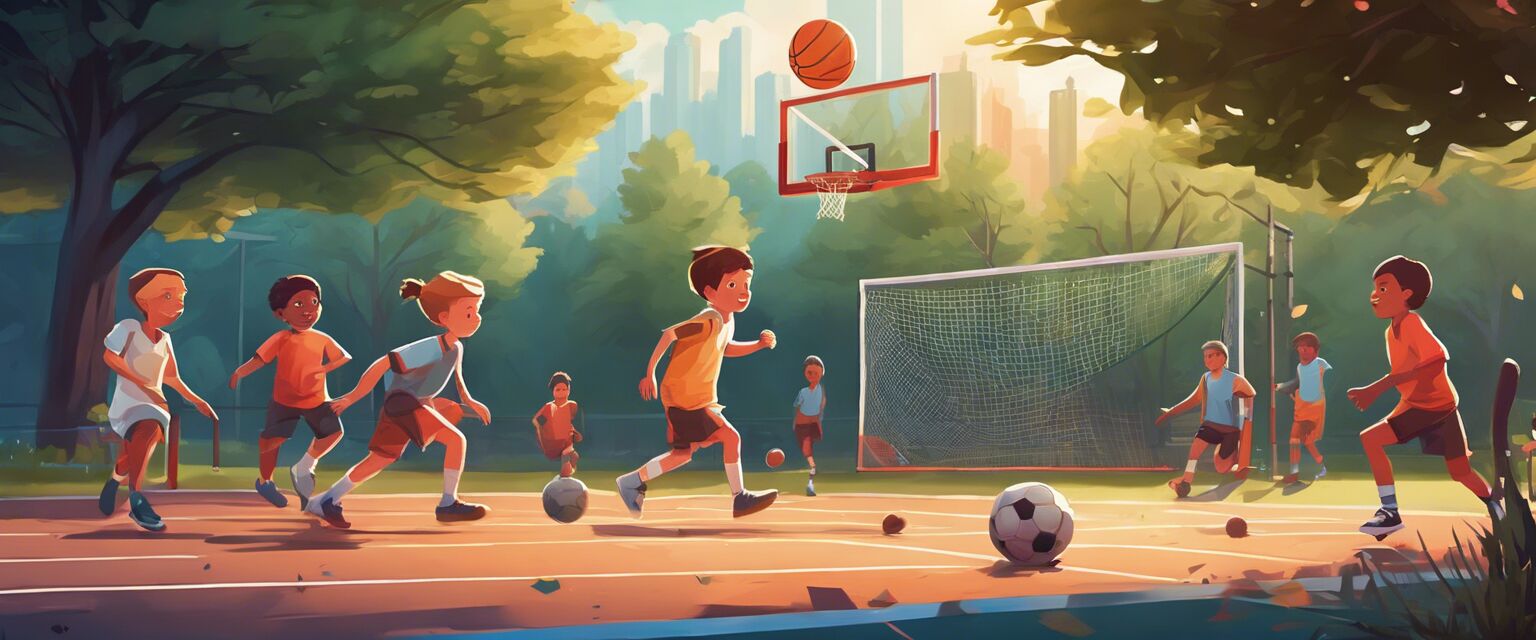
- Establish clear boundaries for different games to avoid unintended collisions.
- Use appropriate gear for different sports, such as helmets for bike riding.
- Encourage kids to take breaks, especially during competitive games.
Ride-on toys
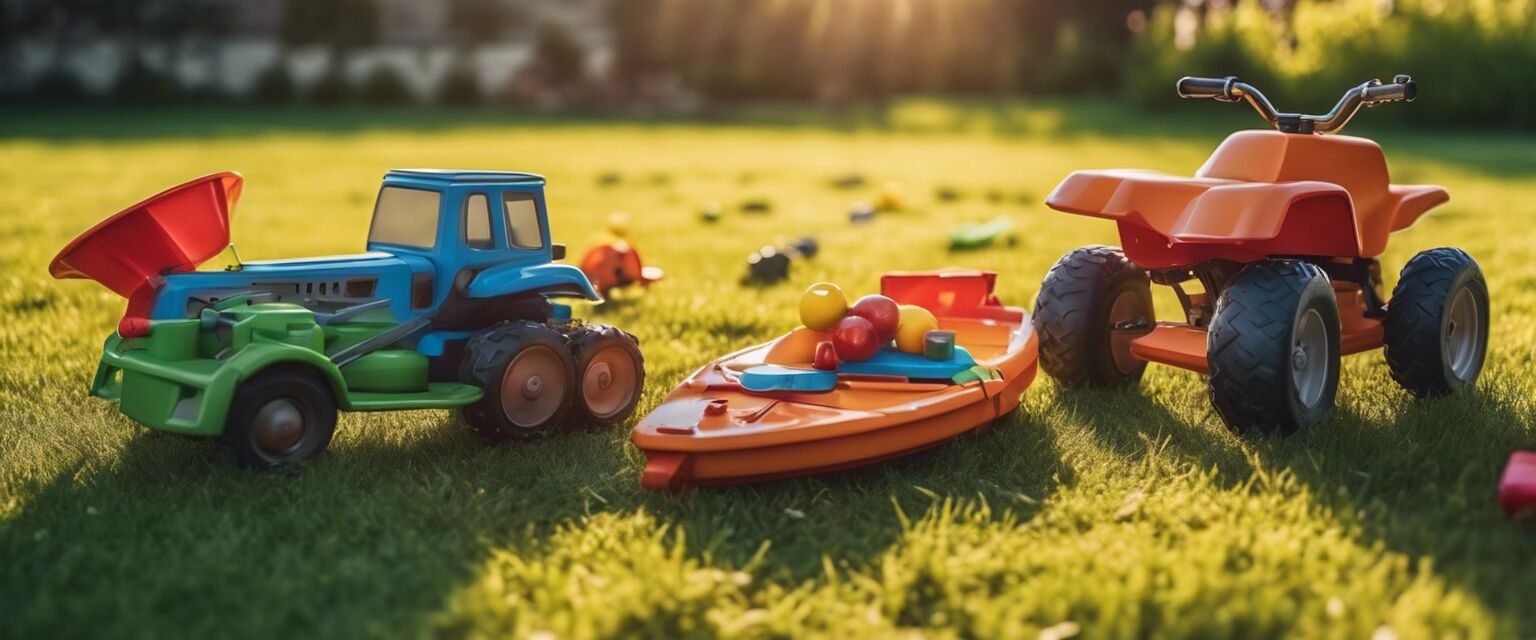
- Always supervise young children using ride-on toys to ensure safe use.
- Choose flat, even surfaces for riding to minimize falls.
- Ensure all ride-on toys are age-appropriate and in good condition.
Sandboxes
- Regularly clean sandboxes to prevent contamination.
- Use sandbox covers to keep animals out when not in use.
- Provide age-appropriate toys to avoid choking hazards.
Water play gadgets
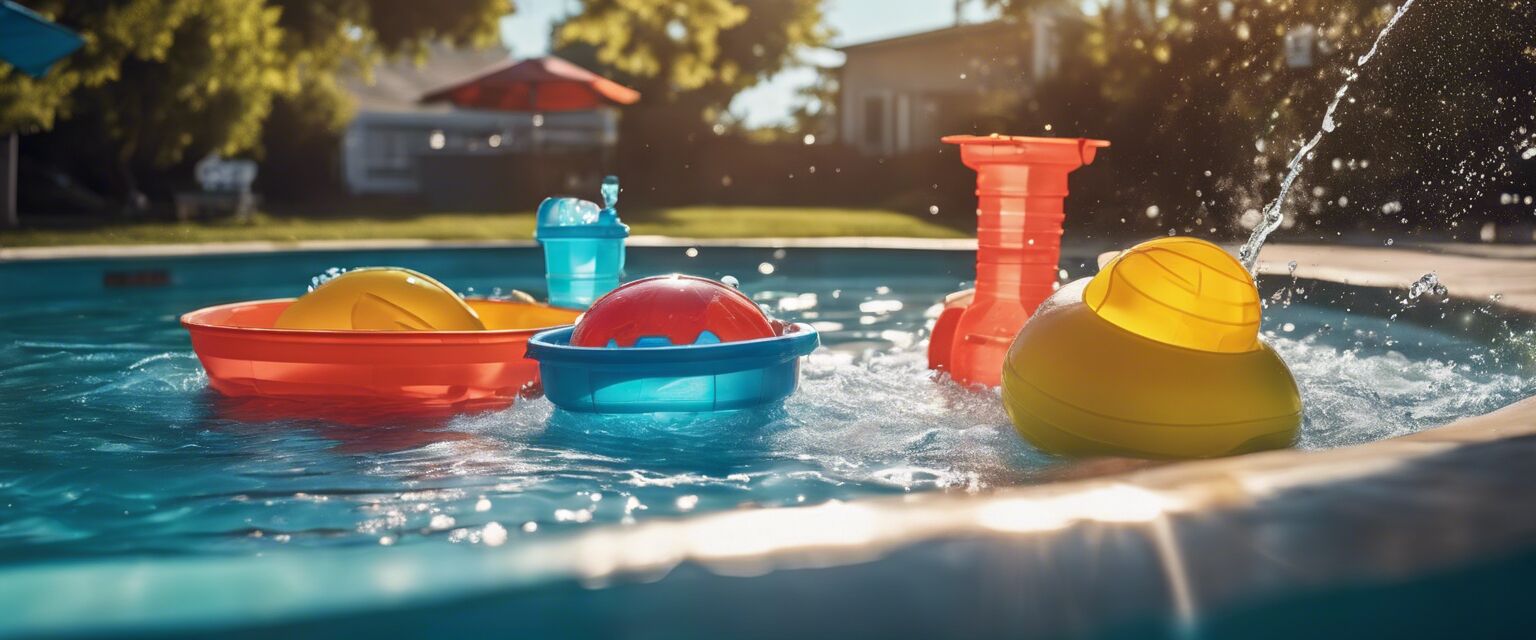
- Always keep a close watch on children around water play equipment.
- Teach pool safety rules for kids using water-related toys.
- Equip children with floatation devices as needed.
Teaching children about safety
It's essential to educate children about safety rules when playing outdoors. Here are some tips on how to effectively teach them:
Tips for teaching outdoor safety
- Role-play different scenarios to teach children how to behave safely.
- Use fun and engaging ways to explain safety rules.
- Involve children in maintaining their safety by letting them identify potential hazards.
Conclusion
Providing a safe outdoor play environment not only enhances children's enjoyment but also fosters a sense of security. By implementing the safety tips outlined in this article, you can help children play safely and confidently, enabling them to reap the many benefits of outdoor play.
Pros
- Promotes physical activity and health.
- Enhances social skills through group play.
- Encourages creativity and exploration.
Cons
- Risk of injuries without proper supervision.
- Potential for exposure to harmful UV rays.
- Weather conditions can limit outdoor play.
Additional resources
For further reading, check out our other resources on outdoor play: