Age-Appropriate Outdoor Toys: A Guide to Choosing the Best for Your Child
As a parent, you want to provide your child with the best possible toys that promote their physical and mental development. Outdoor toys are an excellent way to encourage active play, exploration, and socialization. However, it's essential to choose toys that are suitable for your child's age and abilities. In this article, we'll guide you through the different age groups and recommend age-appropriate outdoor toys that will bring joy and benefits to your little ones.
Key Takeaways
- Choose outdoor toys that match your child's age and abilities
- Consider toys that promote physical activity, socialization, and cognitive development
- Ensure toys are safe and durable to withstand outdoor play
Infants (0-12 months)
At this stage, babies are discovering the world around them through sensory experiences. Outdoor toys should focus on stimulating their senses and encouraging exploration.
| Toy | Description | Benefits |
|---|---|---|
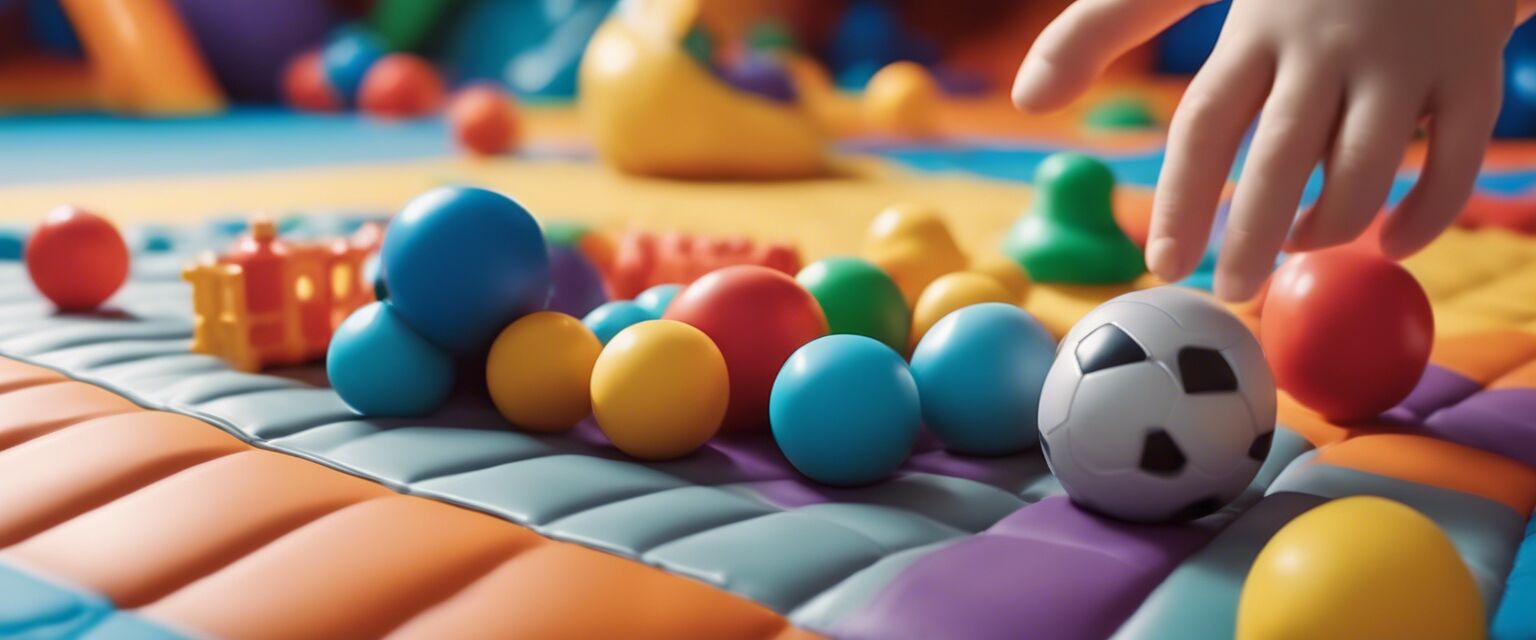
| Soft Play Mats | Colorful, textured mats for tummy time and sensory play | Develops neck strength, hand-eye coordination, and sensory awareness |
| Rattles and Teething Toys | Easy-to-grasp toys that make sounds and provide teething relief | Enhances auditory and visual development, soothes sore gums |
Toddlers (1-3 years)
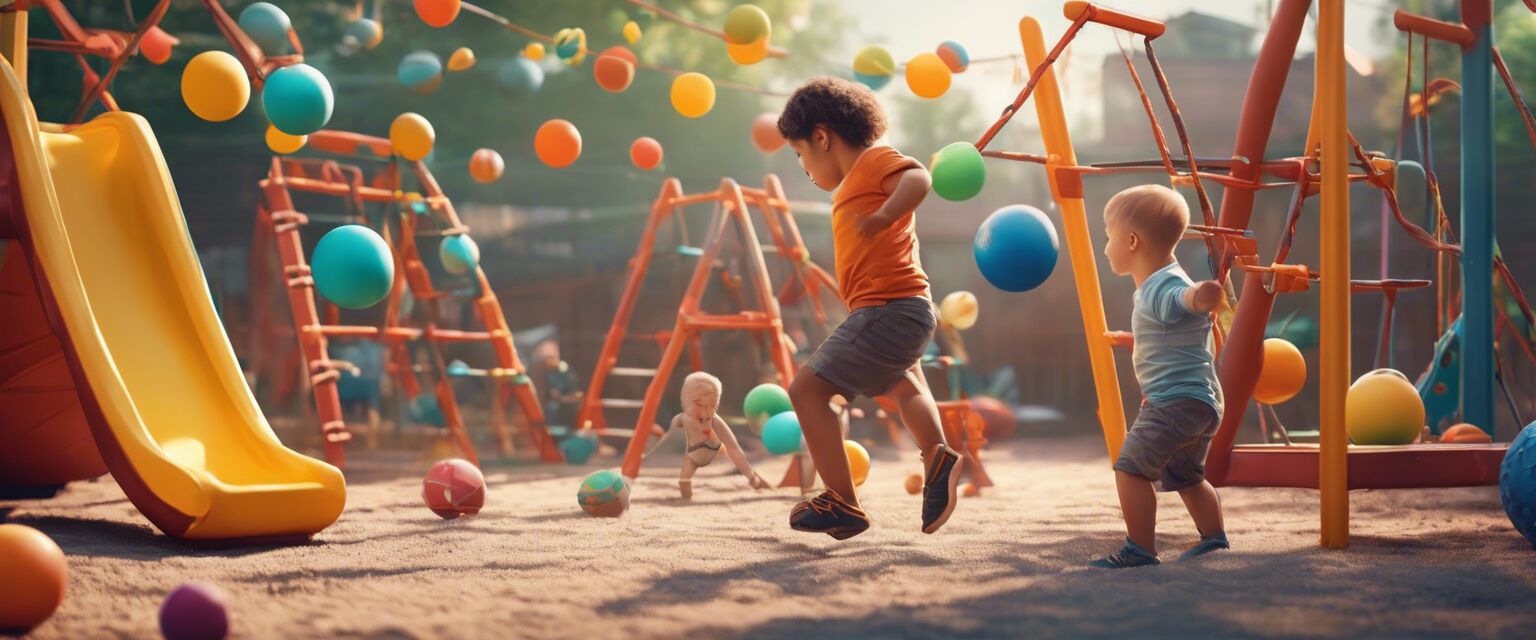
Toddlers are learning to navigate their surroundings and test boundaries. Outdoor toys should encourage physical activity, exploration, and social interaction.
| Toy | Description | Benefits |
|---|---|---|
| Ride-On Toys | Stable, easy-to-maneuver toys for learning balance and coordination | Develops gross motor skills, balance, and confidence |
| Balls and Soft Play Equipment | Lightweight, easy-to-grip balls and soft play equipment for throwing and catching | Enhances hand-eye coordination, fine motor skills, and social interaction |
For more information on ride-on toys, check out our Ride-On Toys page.

Preschoolers (3-5 years)
Preschoolers are learning to share, take turns, and engage in imaginative play. Outdoor toys should promote socialization, creativity, and physical activity.
| Toy | Description | Benefits |
|---|---|---|
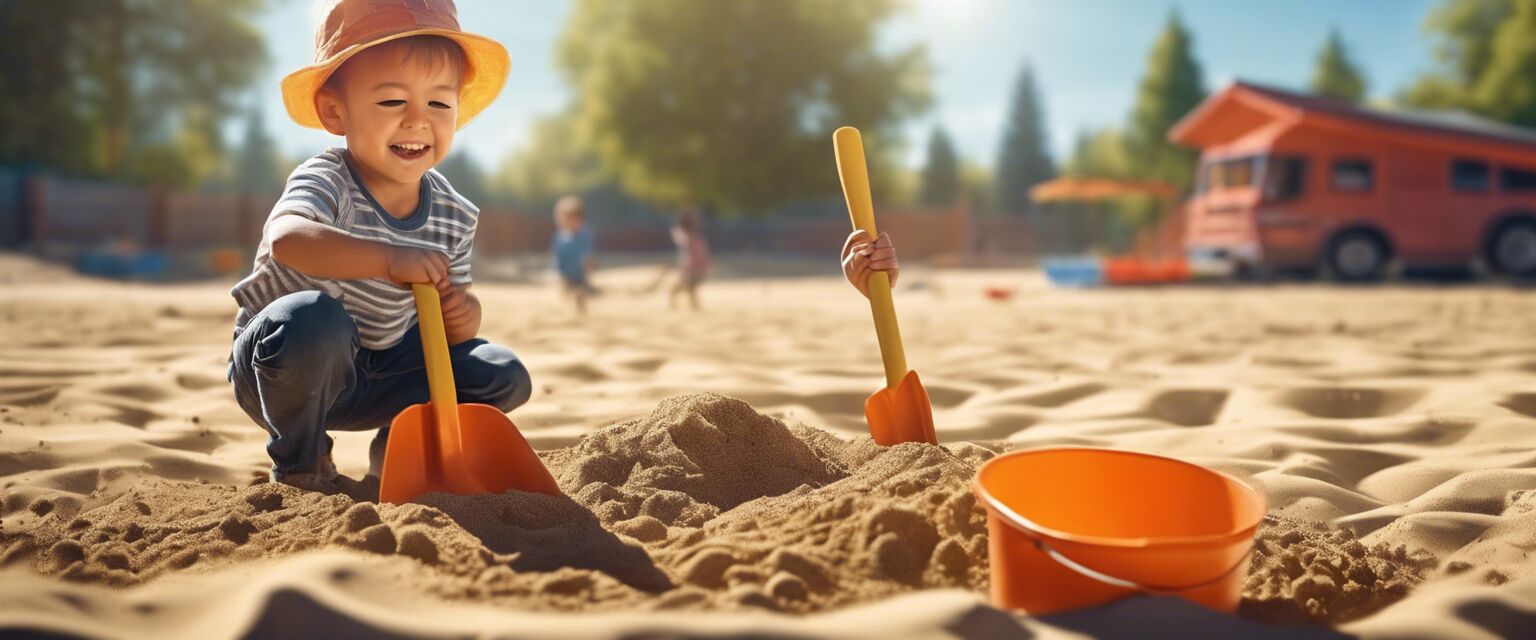
| Sandboxes and Sand Toys | Imaginative play equipment for creating and exploring | Develops fine motor skills, creativity, and social interaction |
| Outdoor Games | Simple, easy-to-understand games for developing social skills | Enhances social interaction, teamwork, and communication skills |
For more information on sandboxes and sand toys, check out our Sandboxes page.
School-Age Children (5-12 years)
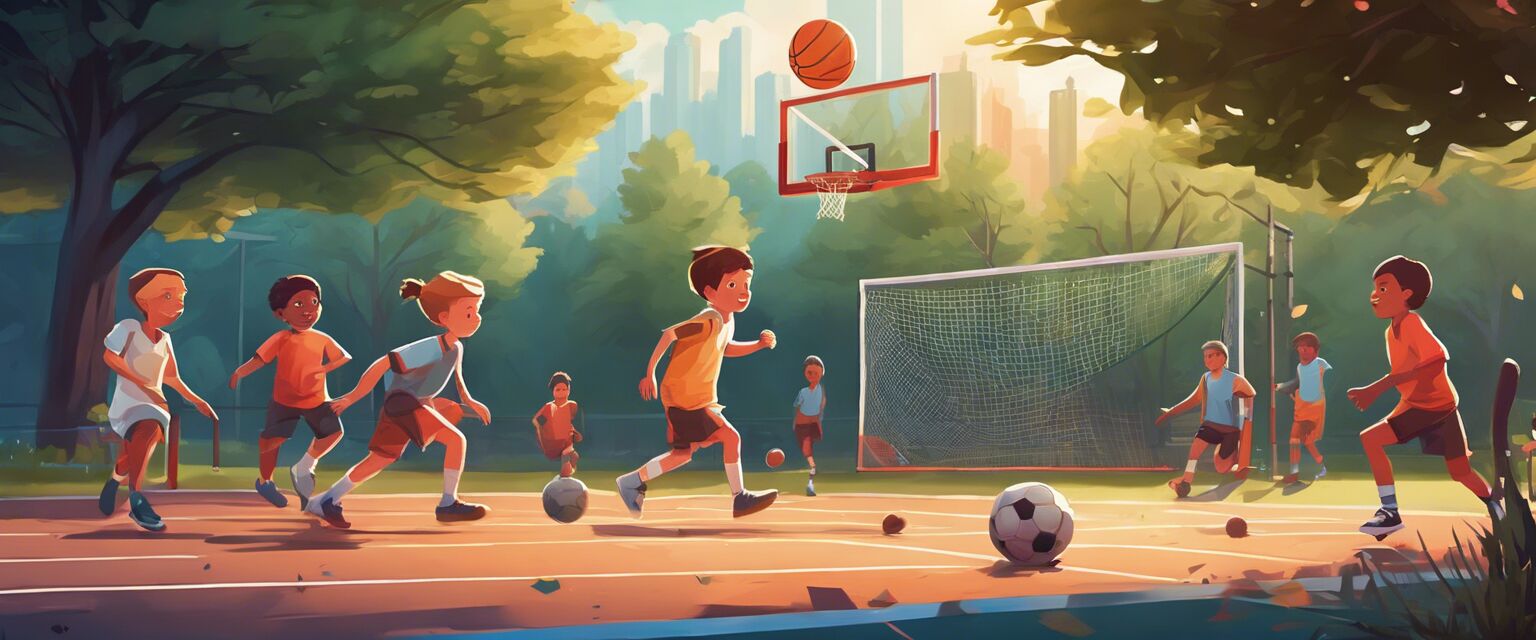
School-age children are refining their skills and developing more complex social relationships. Outdoor toys should promote physical activity, competition, and strategy.
| Toy | Description | Benefits |
|---|---|---|
| Sports Equipment | Age-appropriate sports equipment for developing teamwork and strategy | Enhances physical fitness, coordination, and social interaction |
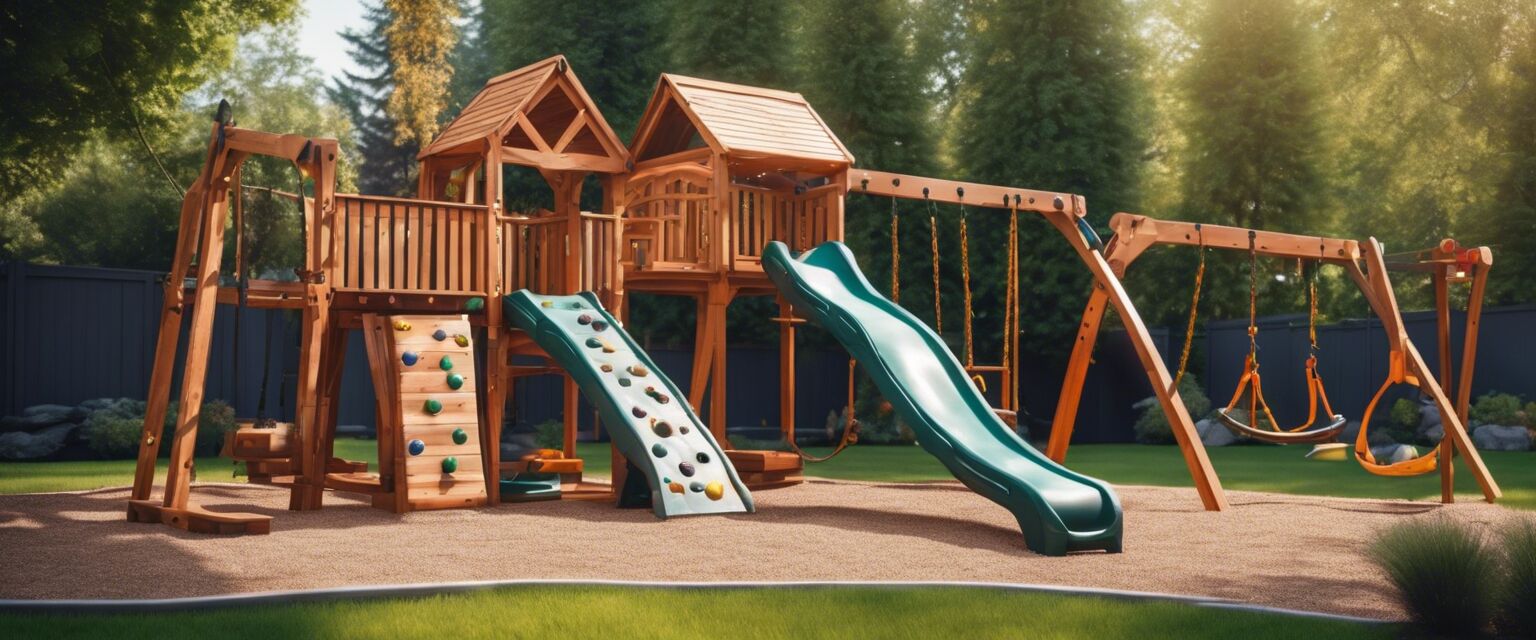
| Climbing Structures | Challenging climbing equipment for developing strength and agility | Develops gross motor skills, balance, and confidence |
For more information on sports equipment, check out our Sports Equipment page.
Benefits of Age-Appropriate Outdoor Toys
- Promotes physical activity and exercise
- Enhances cognitive development and creativity
- Fosters social interaction and emotional intelligence
Challenges of Choosing Age-Appropriate Outdoor Toys
- Ensuring safety and durability
- Matching toys to individual child's abilities and interests
- Balancing screen time with outdoor play
Tips for Parents
- Supervise outdoor play to ensure safety
- Encourage children to try new toys and activities
- Create a safe and inviting outdoor play space
By choosing age-appropriate outdoor toys, you can provide your child with a fun and engaging way to develop their physical, social, and cognitive skills. Remember to consider your child's individual needs and abilities, and always prioritize safety and supervision during outdoor play.