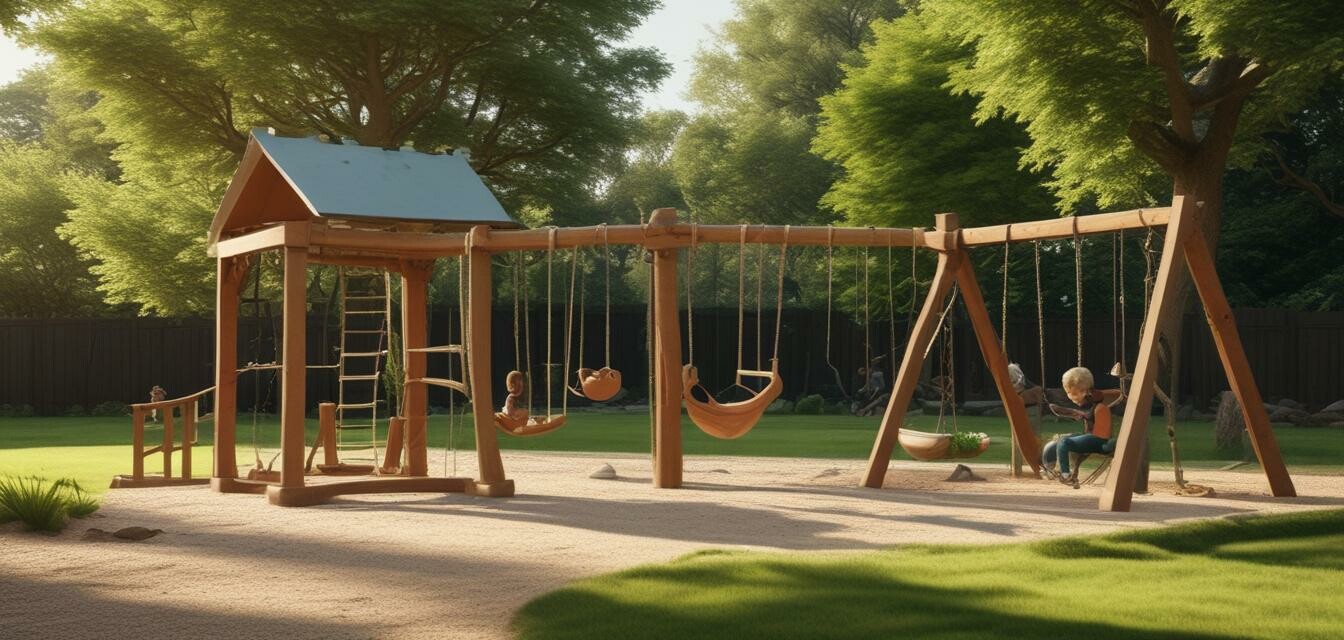
The Shift to Minimalist Outdoor Play Equipment
Key Takeaways
- Minimalist outdoor play equipment promotes creativity and imaginative play in children.
- Less complexity helps prevent overstimulation and encourages children to invent their own games.
- Natural materials are increasingly favored for eco-friendly and sustainable play options.
- Trends show a preference for simple designs that blend with the natural environment.
- Parents should consider the long-term benefits of minimalist play equipment for childhood development.
The world of outdoor play is undergoing a significant transformation, moving towards minimalist designs that emphasize creativity and imagination. In today's fast-paced environment, the need for simpler, more engaging play experiences is more crucial than ever. This article delves into the current trends in minimalist outdoor play equipment, highlighting the many benefits it offers to children and parents alike.
Understanding minimalism in outdoor play
Minimalism isn't just a design philosophy; it's a movement that prioritizes essentials while removing the unnecessary. In the context of outdoor play, it means creating spaces and equipment that encourage children to explore their imagination without overwhelming them with options. This shift encourages kids to engage deeply with their surroundings and invent their own games.
Benefits of minimalist outdoor play equipment
- Encourages Creativity: Simple structures allow children to create their own narratives and games.
- Reduces Overstimulation: Minimalist designs can help children focus better, as there are fewer distractions.
- Enhances Physical Activity: More straightforward play encourages active movement, promoting a healthy lifestyle.
- Nurtures Patience and Problem-Solving: Kids learn to use their imagination to engage with their play environment.
Key elements of minimalist outdoor play spaces
Minimalist outdoor play equipment typically features fewer items, combining natural elements and simple designs. Here are some key components commonly found in these play spaces:
| Element | Description |
|---|---|
| Natural Materials | Using wood, stone, and other natural materials helps integrate the play structures with the environment. |
| Open Layouts | Spaces designed with fewer items allow for free movement and exploration. |
| Versatile Equipment | Simple pieces that can be used in various ways, fostering creative play. |
| Interactive Landscapes | Natural features such as boulders, logs, and sand encourage imaginative play. |
Designing your minimalist play area
If you're considering creating a minimalist outdoor play area, here are some tips to guide you:
Tips for beginners
- Limit the number of play items to ensure a focus on creativity.
- Incorporate natural elements like trees, rocks, and hills into your design.
- Choose equipment that allows for multiple uses, such as logs for seating, balancing, or climbing.
- Encourage interaction with the environment—let kids explore freely.
- Safety is key: choose non-toxic, durable materials to ensure a safe play environment.
Trends driving the minimalist movement
Several factors are contributing to the rise of minimalist outdoor play equipment:
- Sustainability: Growing awareness about climate change is motivating parents to choose eco-friendly play options, leading to a preference for natural materials.
- Child Development Research: Studies indicate that open-ended play is crucial for creativity and problem-solving skills, encouraging parents to invest in simpler equipment.
- Changing Play Preferences: Modern children often favor imaginative, unstructured play, aligning with minimalist concepts.
- Community Spaces: Urban parks and community areas are adapting minimalist designs that encourage group play while preserving open green space.
Eco-friendly options in minimalist play equipment
With a shift towards sustainability, many minimalist outdoor play structures are being designed with eco-friendly materials and methods. These options not only provide a safe and engaging environment for children but also foster an appreciation for nature and the environment. Here are some eco-friendly elements to consider:
| Material | Benefits |
|---|---|
| Reclaimed Wood | Environmentally friendly, with unique aesthetics, and durable. |
| Bamboo | A fast-growing resource that's lightweight and strong, making it ideal for outdoor play. |
| Natural Rubber | Safe, non-toxic, and provides good grip for climbing equipment. |
| Recycled Plastics | Durable and often lower environmental impact than new plastics. |
Choosing eco-friendly, minimalist outdoor play equipment is not just a trend—it's a commitment to fostering a healthier and more sustainable world for children. Parents can bring positive change to their kids' play experiences by investing in these products.
Pros
- Encourages creativity and imaginative play.
- Fosters physical activity with minimal distractions.
- Integrates well with natural environments.
- Promotes sustainability through eco-friendly materials.
Cons
- May require more parental supervision for safety.
- Less immediate engagement compared to conventional toys.
- Space limitations may restrict options in urban settings.
Conclusion
As we witness the shift to minimalist outdoor play equipment, it becomes clear that simplicity in design fosters a more enriching play experience. The trend is not just about aesthetics—it's about nurturing creativity, problem-solving, and an affinity for nature among children. Investing in minimalist play equipment will offer not only a pleasant play environment but also a solid foundation for children's growth and development.
For more insights on modern play trends, check out our Trends in Outdoor Play category, and explore our comprehensive Buying Guides for expert advice on selecting the right equipment.