The role of sensory play in outdoor environments
Key Takeaways
- Sensory play stimulates children's senses, encouraging exploration and creativity.
- Outdoor environments provide diverse opportunities for sensory engagement.
- Toys that evoke touch, sound, and sight enhance children's play experiences.
- Understanding sensory play trends can guide parents in selecting appropriate equipment.
- Incorporating sensory activities supports overall child development.
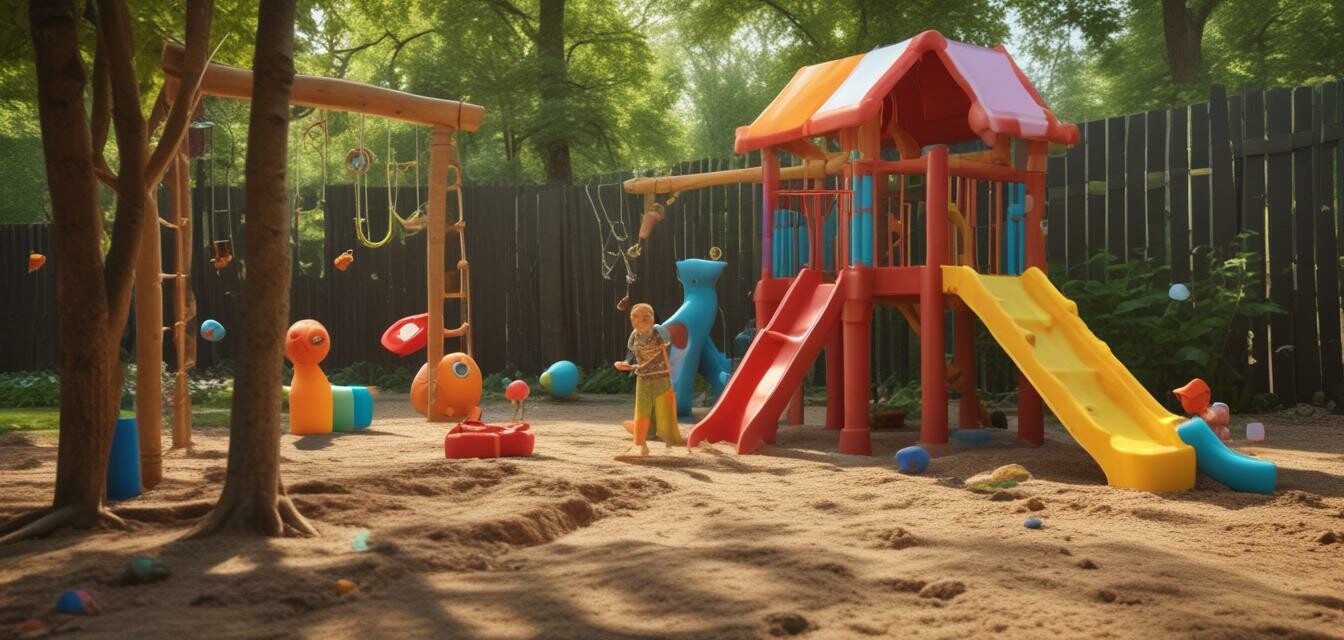
Sensory play is essential for children's development, especially in outdoor environments where the possibilities for engagement are endless. It taps into their natural curiosity, offering experiences that enrich their play. This article will discuss the significance of sensory play in outdoor settings, highlighting toys and activities that explore multiple senses and the benefits that come from such enriching play experiences.
What is sensory play?
Sensory play refers to activities that engage a child's senses: touch, taste, sight, sound, and smell. These activities encourage children to explore their surroundings, manipulate materials, and enhance their cognitive skills through direct experiences.
Why is sensory play important?
Sensory play contributes significantly to various aspects of child development, including:
- Cognitive Development: Engaging with different materials supports problem-solving and critical thinking skills.
- Motor Skills: Manipulating objects improves fine and gross motor skills.
- Language Development: Sensory play encourages new vocabulary as children describe their experiences.
- Social Skills: Group play fosters cooperation, negotiation, and friendship skills.
Types of sensory play
When it comes to outdoor sensory play, there are various types of activities and toys that can enhance the experience. Below are some popular categories:
| Type of Sensory Play | Description |
|---|---|
| Water Play | Activities involving water, such as splash pads or climbing structures with water features, stimulate multiple senses and provide cooling fun. |
| Sand Play | Sandboxes or sandpits encourage tactile exploration and creativity, allowing children to build, dig, and shape. |
| Nature Exploration | Outdoor settings offer a variety of natural materials (rocks, leaves, etc.) that can be used in imaginative play while enhancing sensory perception. |
| Sound Play | Musical outdoor toys and instruments allow children to explore different sounds while reinforcing auditory discrimination. |
Benefits of sensory play in outdoor settings
Engaging in sensory play outdoors offers numerous benefits for children, including:
- Enhanced Creativity: Children can explore and create their own play scenarios using natural and varied materials.
- Improved Focus: Sensory activities can captivate children's attention and encourage concentration.
- Stress Relief: Being in nature while engaging in sensory play helps reduce anxiety and promotes relaxation.
Choosing the right sensory toys
When choosing sensory toys, consider the following factors to ensure a rich play experience:
- Age Appropriateness: Ensure that the toys and activities are suitable for the child's age and developmental level.
- Variety of Senses: Select toys that engage multiple senses, including sight, sound, touch, and movement.
- Durability: Outdoor play structures should withstand weather conditions and daily use.
Trends in sensory play
As we explore the future of outdoor sensory play, it is essential to stay updated with the latest trends:
- Eco-friendly materials are gaining popularity as parents seek sustainable options for toys.
- Tech integration in outdoor play equipment, such as interactive sound features and augmented reality enhancements.
- A focus on multi-user play experiences that promote social interaction and collaborative engagement.
Safety considerations for sensory play
While outdoor sensory play is enriching, always consider safety:
- Check for any hazards in the play area, like sharp objects or unstable surfaces.
- Choose non-toxic materials and safe outdoor toys to prevent injuries and exposures.
- Supervise children during play to ensure they are engaging safely.
Tips for parents
- Create a sensory play area in your backyard with various materials and activities.
- Encourage outdoor exploration by joining your child during play.
- Rotate toys regularly to keep the sensory experience fresh and exciting.
- Incorporate seasonal themes into sensory play to reflect changes outdoors.
Pros
- Engages multiple senses and promotes active play.
- Supports social skills through group interactions.
- Fosters creativity and imaginative play.
- Encourages outdoor exploration and physical activity.
Cons
- Requires supervision to ensure safety and prevent accidents.
- Might necessitate more clean-up due to messiness.
- Weather dependence can limit outdoor play opportunities.
In conclusion, sensory play in outdoor environments plays a crucial role in enriching children's play experiences. By understanding the significance of sensory engagement and incorporating the latest trends, parents can make informed decisions about playground equipment and activities. Embrace the creativity and joy that sensory play brings, and let your children explore the wonders of outdoor play!