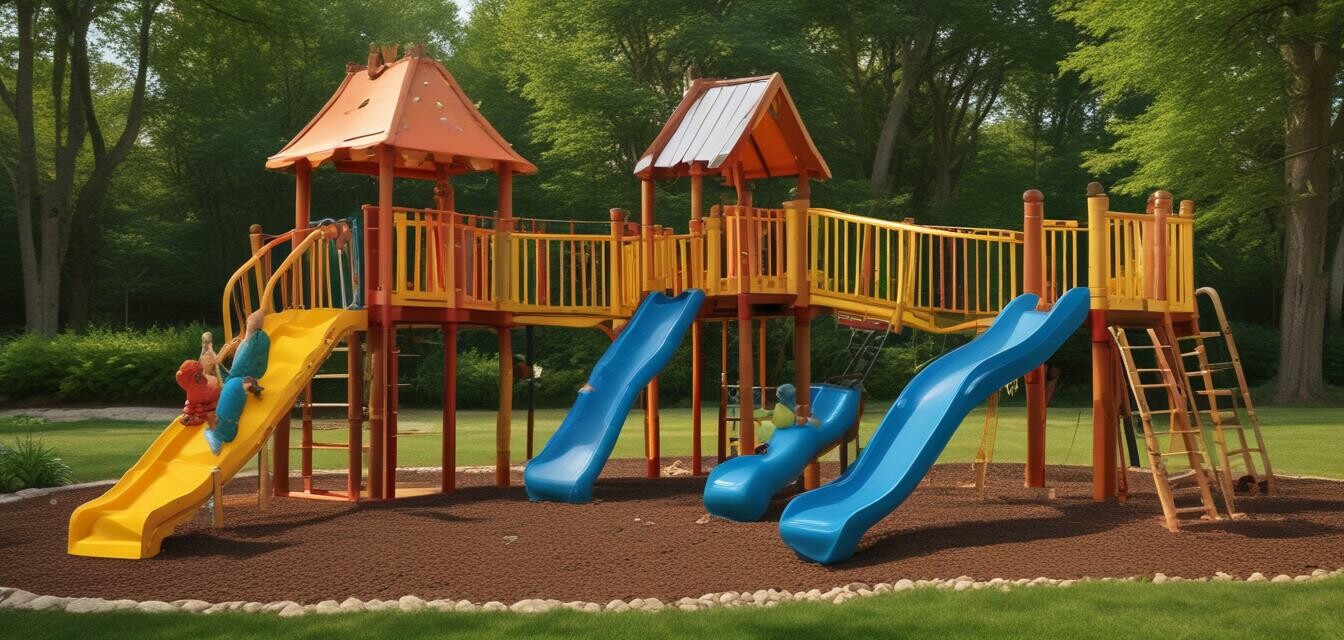
The Rise of Inclusive Outdoor Play Spaces in 2025
- Inclusive outdoor play spaces focus on accommodating children of all abilities.
- Design principles prioritize accessibility and engagement for every child.
- Community involvement is crucial to designing effective play spaces.
- Emerging trends highlight eco-friendliness and sustainability in design.
- Parents can discover innovative play options through the latest trends in outdoor play.
As we look to 2025, the evolution of inclusive outdoor play spaces highlights the importance of community, accessibility, and creativity in the realm of children's play. No longer just a place for physical activity, today's play environments are designed to foster social connection and collaboration, catering to children of diverse backgrounds and abilities.
Understanding inclusive design principles
Inclusive design is all about ensuring that all children can engage, explore, and enjoy the benefits of outdoor play. There are several key principles to consider when creating inclusive play spaces:
- Accessibility: Ensuring pathways, equipment, and surrounding areas are usable by children with physical disabilities.
- Variety: Providing multiple types of play equipment that encourage different skills and interests.
- Community input: Involving families in the design process to identify needs and preferences.
Accessibility in outdoor play spaces
One of the fundamental aspects of inclusive play spaces is accessibility. This includes:
| Feature | Description |
|---|---|
| Wheelchair-accessible pathways | Wide, smooth areas that provide access to various zones. |
| Sensory-friendly equipment | Play structures that stimulate senses without overwhelming children. |
| Adaptive swings | Swings designed for children with mobility challenges. |
For more insights on how to create safer play environments, check out our safety tips.
Community involvement in play space design
Successful inclusive play spaces are often the result of community efforts. By including parents, caregivers, and children in the planning process, these projects meet the specific needs of those who will use them. Here are some benefits of community involvement:
- Local knowledge: Understanding the unique challenges and joys of the community.
- Enhanced creativity: Diverse ideas lead to innovative design solutions.
- Stronger ownership: Children are more likely to take care of spaces they helped create.
Feature highlights of inclusive play spaces
Here’s a look at some of the top features that characterize inclusive outdoor play spaces in 2025:
| Feature Type | Benefits | Examples |
|---|---|---|
| Sensory play zones | Encourage exploration and development of sensory skills. | Water features, tactile panels. |
| Collaborative play areas | Foster teamwork and social interaction. | Group swings, giant games. |
| Natural elements | Promote imaginative play and connection to nature. | Rock climbing, logs, natural hill slides. |
Eco-friendliness in design
As communities strive for sustainability, eco-friendly designs are becoming crucial. Some considerations include:
- Using recycled materials in playground equipment.
- Planting native trees and vegetation around play areas.
- Creating shaded rest areas that use natural coverings like trees.
Exploring the future of outdoor play
The trends in outdoor play are reflective of a shift towards more inclusive, engaging, and sustainable designs. Parents can enhance their children's play experiences through:
- Researching innovative toys that align with their children's needs.
- Participating in community planning meetings for local play spaces.
- Prioritizing playtime that encourages teamwork and social skills.
For more ideas on trending outdoor toys and structures, visit our trends in outdoor play blog category.
Pros
- Encourages physical and social skills development.
- Supports children of varying abilities.
- Strengthens community bonds.
Cons
- Higher initial costs for specialized equipment.
- Requires continuous community involvement for upkeep.
The road ahead
As we move through 2025, the rise of inclusive outdoor play spaces represents a broader understanding of the diverse needs children face in their play journey. These spaces not only offer a safe haven for play but also build a sense of community and promote friendships among children of all abilities. Parents and communities must continue to seek out ways to innovate play design to create environments where every child can thrive.