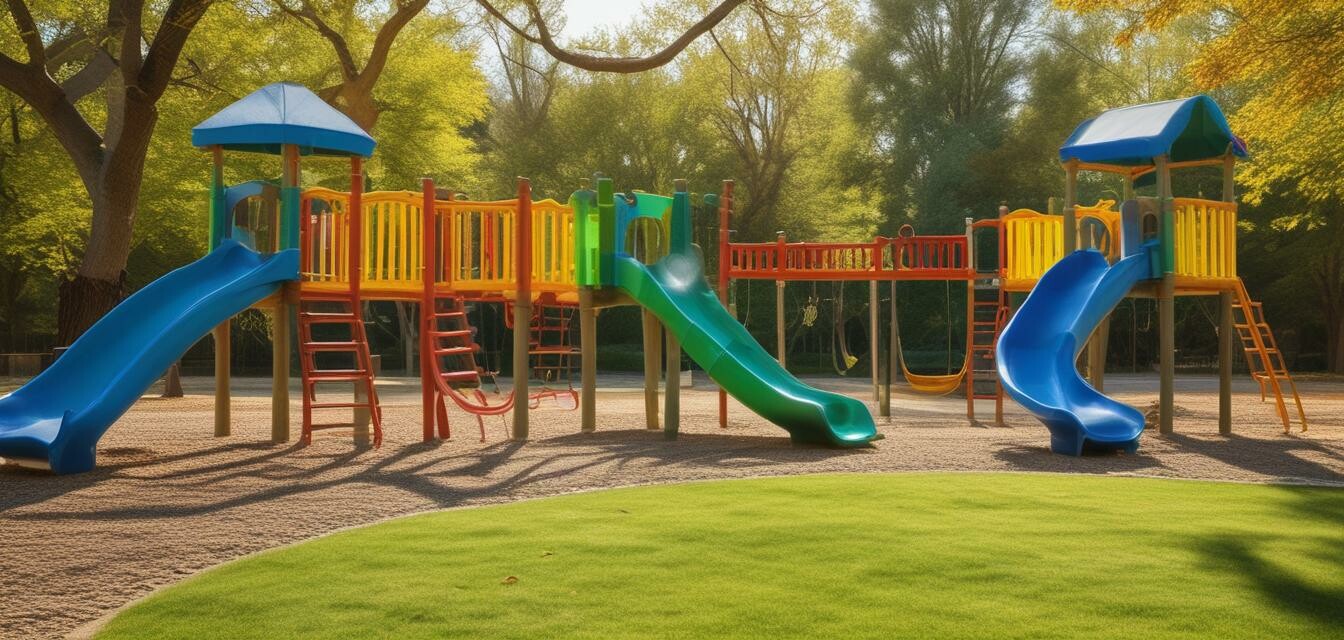
The Connection Between Outdoor Play and Mental Health
Key Takeaways
- Outdoor play significantly boosts children's emotional wellbeing.
- Unstructured play promotes resilience and social skills.
- Nature-based play reduces anxiety and encourages creativity.
- Engaging in active outdoor play is essential for mental health development.
- Parents can enhance kid's play experiences by integrating eco-friendly options.
As parents and caregivers, we continually seek ways to nurture our children’s well-being. One of the most invaluable pathways to achieving this is through outdoor play. This article examines the profound connection between outdoor play and children's mental health, highlighting how unstructured playtime in nature supports emotional wellbeing and resilience.
The Importance of Outdoor Play
Outdoor play represents more than just childhood fun; it serves as a critical component of emotional development. It provides opportunities for children to explore, learn, and connect with their environment. Let’s delve into some of the key benefits:
| Benefit | Description |
|---|---|
| Improved Mood | Engaging with nature has been shown to reduce feelings of anxiety and depression. |
| Enhanced Social Skills | Outdoor play often includes collaborative games, which help children learn to communicate and cooperate. |
| Increased Physical Activity | Active play not only benefits physical health but also enhances mental clarity and focus. |
| Cognitive Development | Exploring various play situations encourages problem-solving and critical thinking skills. |
The Impact of Nature on Mental Wellbeing
The surroundings in which play occurs can significantly impact children’s emotional and mental health. Interacting with nature, as in the case with nature-based play, has demonstrated the following positive effects:
- Reduced Stress: Natural environments can diminish stress levels in children.
- Boosted Creativity: The unpredictability of the outdoors fosters imaginative thinking.
- Enhanced Focus: Nature provides calming distractions that help improve attention spans.
Unstructured vs. Structured Play
While structured activities have their advantages, unstructured outdoor play is vital for mental health. Here’s why:
- Autonomy: Children gain a sense of control over their play experiences.
- Social Skills: Kids navigate social interactions on their own, enhancing critical skills.
- Emotional Resilience: Facing challenges during play helps children build coping mechanisms.
Emerging Trends in Outdoor Play
There’s been a notable shift in how outdoor play is regarded in today’s society. Here are some trends that support children’s mental health:
| Trend | Impact on Mental Health |
|---|---|
| Integration of Technology | Incorporating augmented reality into outdoor play encourages engagement with the natural world. |
| Eco-Friendly Products | Parents are increasingly choosing toys that are sustainable, promoting environmental awareness. |
| Emphasis on Outdoor Education | Schools are adopting outdoor curriculum models, marrying education with physical activity. |
| Community Engagement | Local initiatives are creating safe play spaces, fostering community connections among children. |
Safety in Outdoor Play
While exploring outdoor play options is essential, ensuring that these play environments are safe is equally important. Here are some safety tips to consider:
Beginner's Tips For Outdoor Play
- Conduct regular checks on play equipment for safety compliance.
- Choose age-appropriate outdoor games and equipment.
- Ensure children are supervised, especially near water or high structures.
- Encourage children to dress appropriately for the weather and terrain.
By applying these tips, parents and caregivers can help maximize the benefits of outdoor play while minimizing potential risks.
Pros
- Promotes emotional and mental health development.
- Encourages physical activity and fitness.
- Enhances social skills through group interaction.
- Fosters creativity and imaginative play.
Cons
- Potential risks if safety measures are not upheld.
- Weather-dependent play opportunities.
- Availability of safe play spaces can vary by location.
In conclusion, the connection between outdoor play and children’s mental health is profound. By fostering an environment for active, unstructured play in nature, we not only enhance children’s emotional well-being but also equip them with the tools to navigate life’s challenges. Explore our other articles on outdoor games and sports equipment to further engage your child's love for outdoor activities.