The Role of Outdoor Play in Developing Emotional Intelligence
Key Takeaways
- Outdoor play enhances social interactions, crucial for developing emotional intelligence.
- Physical activities help in learning self-regulation and problem-solving.
- Exposure to natural settings promotes overall well-being and reduces anxiety.
- Group activities teach empathy and cooperation among peers.
- Parents and educators should foster environments rich in outdoor play opportunities.
Outdoor play is more than just fun and games; it is a foundational pillar of child development that contributes significantly to the emotional intelligence of children. In this article, we will explore how engaging in outdoor activities helps children develop crucial skills such as empathy, self-regulation, and social awareness.
Understanding emotional intelligence
Emotional intelligence (EI) refers to the ability to recognize, understand, and manage our own emotions while also recognizing and influencing the emotions of others. This is essential for effective communication, developing relationships, and honing social skills. Here are key components of emotional intelligence:
- Self-awareness: Recognizing one’s emotions and their impact on thoughts and behavior.
- Self-regulation: Managing emotions and impulses for a positive outcome.
- Motivation: Harnessing emotions to pursue goals with energy and persistence.
- Empathy: Understanding and responding to the emotions of others.
- Social skills: Building relationships and networks effectively.
The connection between outdoor play and emotional intelligence
Outdoor play provides children with a rich context to practice and enhance their emotional intelligence. Let’s take a closer look at how various aspects of outdoor play contribute to this development:
1. Social interactions
When children play outdoors, they naturally engage with their peers, leading to vital social interactions that foster crucial emotional skills.
| Type of Play | Skills Developed |
|---|---|
| Role-playing games | Empathy and perspective-taking |
| Team sports | Cooperation and communication |
| Creative outdoor activities | Conflict resolution and problem-solving |
2. Self-regulation through physical activity
Physical activity is a core component of outdoor play. Engaging in sports and games helps children learn to regulate their emotions and responses. Here’s how:
- Engaging in physical challenges teaches patience and perseverance.
- Experiencing wins and losses fosters resilience.
- Handling disagreements in games enhances self-control.
3. Reduced anxiety and improved well-being
Research indicates that outdoor play contributes to reducing anxiety and stress among children. Spending time in nature can promote relaxation and reflectivity:
- Natural settings provide calming environments for emotional processing.
- Playing outdoors allows for exploration and discovery, further enhancing emotional growth.
The importance of safe outdoor spaces
To maximize the benefits of outdoor play, it is crucial to provide safe and engaging environments. Parents and educators should:
- Create diverse play areas that cater to various interests and age groups.
- Include features such as climbing structures, water play gadgets, and sports equipment to encourage active engagement.
- Ensure all equipment meets safety guidelines to minimize risks during play.
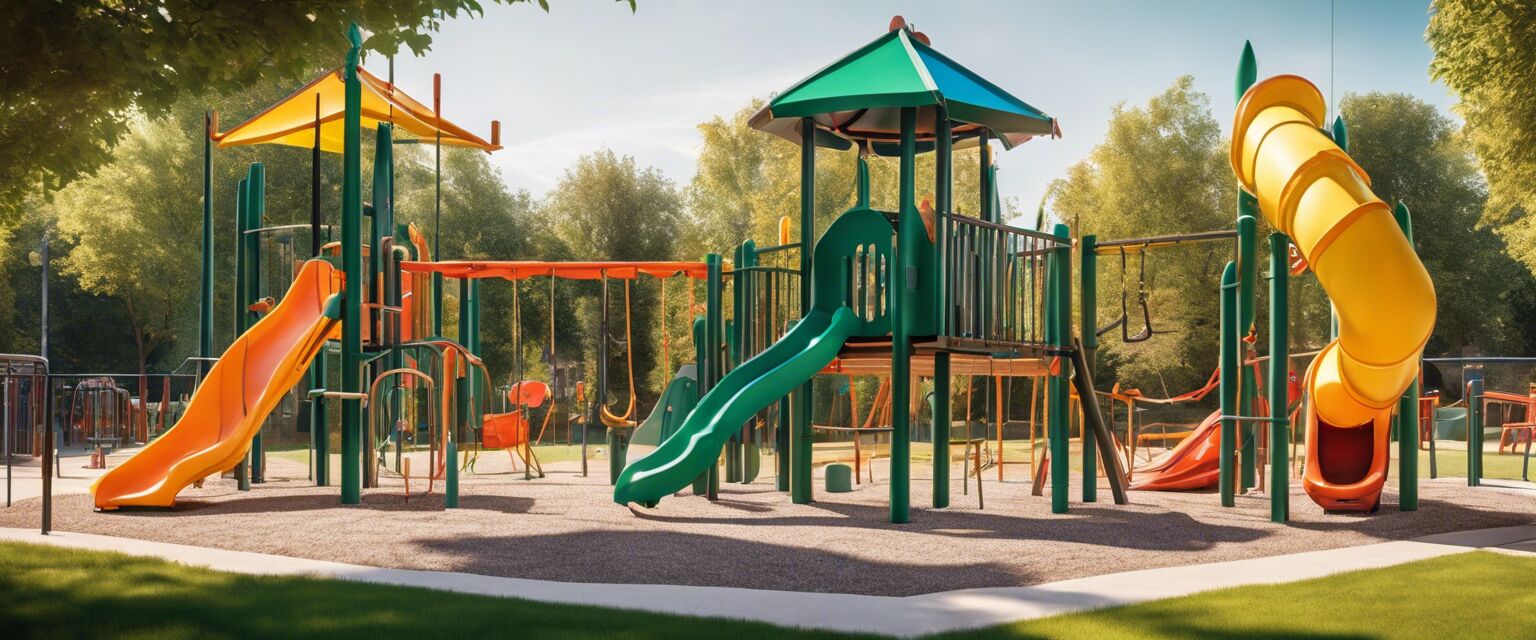
Examples of safe outdoor play structures
When building or choosing play areas, consider these examples:
Pros
- Encourages children to socialize in a safe environment.
- Promotes physical activity essential for emotional and social development.
- Facilitates imaginative play and exploration.
Cons
- Maintenance is crucial to ensure safety; neglect can lead to accidents.
- Overcrowded spaces can lead to disputes among children.
- Weather can affect play availability and safety.
Encouraging outdoor play in everyday life
Parents and caregivers play a pivotal role in fostering a love for outdoor play. Here are some strategies:
Beginner tips for promoting outdoor play
- Set aside regular outdoor time each week, creating a routine.
- Participate in outdoor activities with your children to model engagement.
- Introduce new games or sports to keep the experience fresh and exciting.
- Encourage children to invite friends for group activities.
Conclusion
Outdoor play is a vital facet of childhood development, playing a significant role in nurturing emotional intelligence. By facilitating social interactions, promoting physical activities that enhance self-regulation, and providing safe play environments, parents and educators can help children thrive emotionally and socially. Embracing outdoor play not only enriches children's lives but also prepares them for the complexities of interpersonal relationships as they grow.
For more insights on outdoor play and its benefits, explore our dedicated sections like Climbing Structures, Outdoor Games, and Safety Tips.