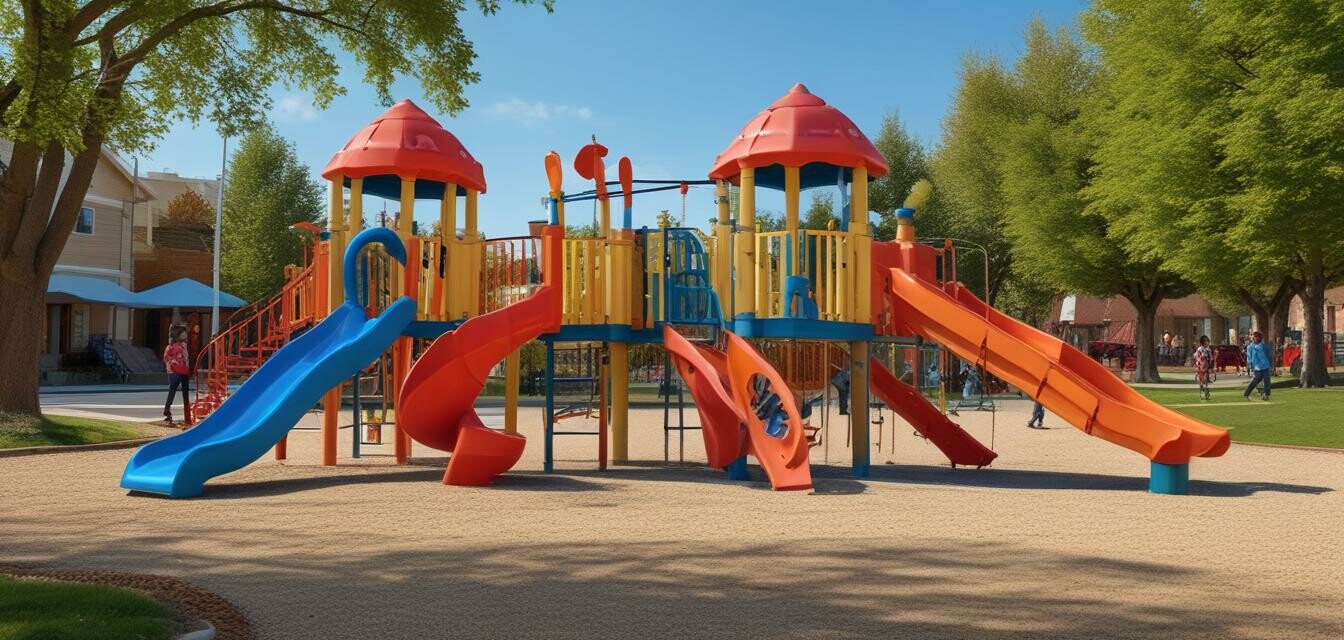
The Role of Outdoor Play in Early Childhood Development
Key Takeaways
- Outdoor play significantly bolsters physical development through active engagement.
- Social skills are enhanced as children learn to communicate, cooperate, and resolve conflicts.
- Cognitive growth is stimulated by open-ended play that encourages creativity and critical thinking.
- Regular outdoor play contributes to emotional well-being by reducing anxiety and fostering resilience.
- Parents should choose age-appropriate outdoor toys to ensure safety and maximize developmental benefits.
In a world increasingly dominated by screens and indoor activities, the importance of outdoor play in early childhood development cannot be overstated. This article delves into how engaging in outdoor play shapes a child's physical, social, and cognitive growth.
The importance of physical development
Outdoor play provides children with numerous opportunities for physical activity. Engaging in playful activities outdoors helps children develop:
- Gross motor skills: Running, jumping, and climbing help strengthen large muscle groups.
- Coordination and balance: Activities like riding bikes and navigating playground equipment enhance these vital skills.
- Healthy habits: Regular outdoor play fosters a love for exercise, laying the foundation for a healthy lifestyle.
How to encourage physical play
Parents can encourage physical play by:
- Setting up outdoor playdates with climbing structures and ride-on toys.
- Exploring local parks or nature trails to keep play fresh and exciting.
- Providing a variety of age-appropriate sports equipment.
Fostering social skills through play
Outdoor play is a natural avenue for enhancing children's social skills. As children interact with peers, they develop:
- Communication skills: Using verbal and non-verbal cues during play.
- Teamwork: Collaborating on games that require multiple participants.
- Conflict resolution: Navigating disagreements and finding common ground.
Creating a supportive environment
To nurture social skills, parents can:
- Encourage group games that require problem-solving.
- Host neighborhood playgroups to foster new friendships.
- Provide outdoor games that promote sharing and cooperation.
Cognitive growth opportunities
Outdoor play stimulates cognitive development in various ways:
- Imaginative play: Encourages creative thinking by allowing children to invent games and scenarios.
- Problem-solving: Natural challenges in play help children think critically and find solutions.
- Observation skills: Exploring nature enhances awareness and curiosity about the environment.
Activities that enhance cognitive skills
To cultivate cognitive growth, parents should consider:
- Encouraging storytelling during imaginative play.
- Organizing scavenger hunts to promote exploration and discovery.
- Integrating educational toys that stimulate thinking and reasoning.
The emotional benefits of outdoor play
Aside from physical, social, and cognitive improvements, outdoor play also plays a crucial role in emotional development:
- Reduces stress and anxiety by providing a free space for expression.
- Boosts confidence as children navigate challenges and succeed in play.
- Enhances resilience through repeated exposure to risk in a controlled environment.
Strategies to promote emotional resilience
To support emotional growth, parents can:
- Allow children to take manageable risks during outdoor play.
- Encourage storytelling about their play experiences to process emotions.
- Create opportunities for self-directed play to foster independence.
Choosing age-appropriate outdoor toys
Choosing the right outdoor toys is vital for maximizing development while ensuring safety. Here are some tips for selecting age-appropriate outdoor toys:
| Age Group | Recommended Outdoor Toys | Benefits |
|---|---|---|
| 2-3 years | Sandbox, ride-on toys | Promotes fine motor skills, imaginative play |
| 4-5 years | Climbing structures, balance beams | Enhances gross motor skills, coordination |
| 6+ years | Sports equipment, bikes | Encourages team play, physical fitness |
Conclusion
Outdoor play is essential for early childhood development. It promotes physical, social, cognitive, and emotional growth, setting the stage for a healthy and active lifestyle. By encouraging outdoor play and choosing age-appropriate toys, parents can significantly impact their child's development. To keep up with the latest trends in outdoor play, explore our Trends in Outdoor Play section for more insights!
Pros
- Enhances physical health and fitness.
- Boosts social interaction and teamwork.
- Encourages creativity and imaginative play.
- Promotes emotional resilience and well-being.
Cons
- Requires supervision for safety.
- Weather-dependent—cannot play outdoors in inclement weather.
- Access to safe outdoor play spaces may be limited in some areas.