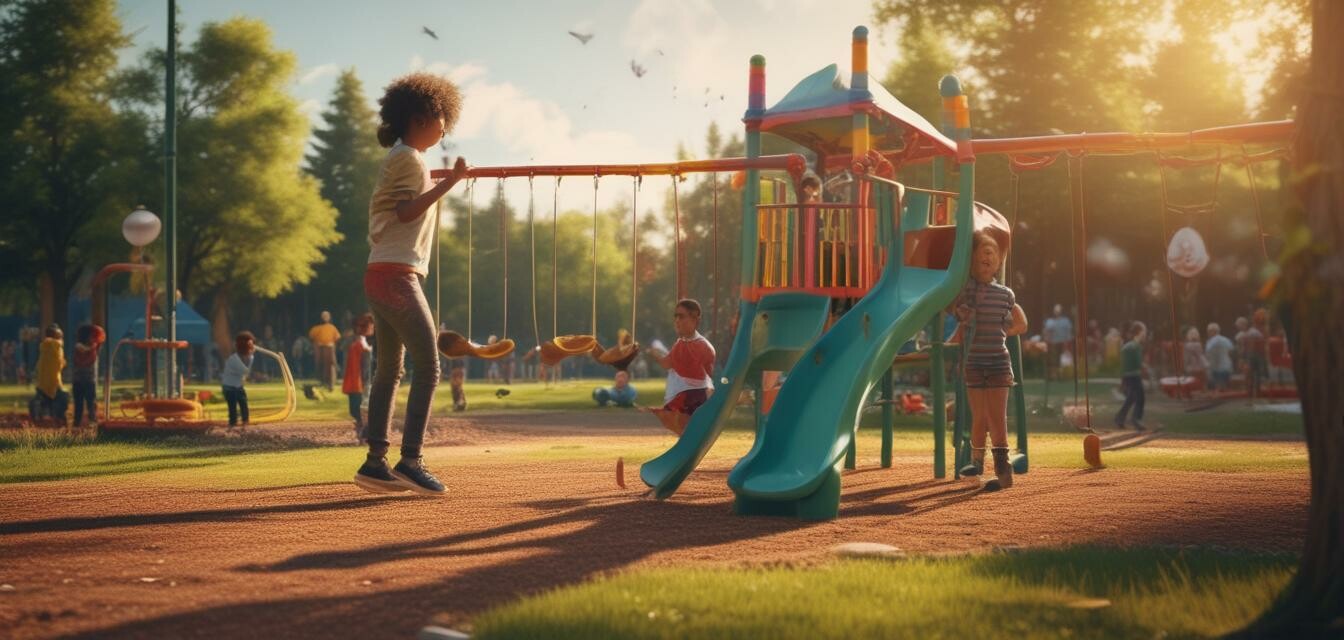
Outdoor Play and Cultural Education: Learning Through Play
Key Takeaways
- Outdoor play fosters cultural education and appreciation among children.
- Inclusive play experiences can promote diversity and understanding.
- Play can serve as a platform for teaching children about different cultures.
- Parents and educators play a vital role in facilitating diverse play opportunities.
- Embracing varied outdoor play experiences can support children's social and emotional development.
As our world becomes more interconnected, it's essential to understand how outdoor play can influence cultural education in children. With diverse play experiences, we can cultivate inclusivity and promote understanding of various cultures. This article will explore how outdoor play shapes cultural awareness and fosters an environment where children can learn through play.
The Importance of Outdoor Play
Outdoor play is crucial for children's development. It not only supports their physical abilities but also contributes to their social, emotional, and cognitive skills. Engaging in outdoor play provides a unique platform for children to experience diverse cultural practices, which can shape their understanding of the world.
Benefits of Outdoor Play
| Benefit | Description |
|---|---|
| Physical Development | Enhances gross motor skills through active play. |
| Social Skills | Encourages teamwork and cooperation among peers. |
| Cognitive Skills | Fosters problem-solving and critical thinking through play. |
| Emotional Well-being | Supports emotional regulation and resilience. |
| Cultural Awareness | Introduces children to different cultures and diversity. |
Cultural Education Through Play
Cultural education in children is vital for fostering respect and understanding in an increasingly diverse society. Outdoor play can be an effective medium for cultural learning, as it offers children the chance to engage in different play styles influenced by various cultures.
Diversity in Play Experiences
- Traditional Games: Integrating games from different cultures can provide insight into their origins and significance.
- Art & Nature: Allowing children to create art inspired by various cultural backgrounds promotes creativity and appreciation.
- Celebrations: Organize community events that celebrate cultural festivals through outdoor activities.
By examining the impact of outdoor play on cultural education, we can better equip children to interact confidently with others from various backgrounds. This enhances their communication skills and broadens their perspectives.
Role of Parents and Educators
Parents and educators play a crucial role in guiding children's outdoor play experiences. They can help facilitate cultural education by:
- Encouraging participation in multicultural events and activities.
- Providing a variety of resources reflecting diverse cultures, such as books, toys, and games.
- Engaging in conversations about cultural diversity during play.
- Creating a safe and welcoming environment for children to explore and express themselves.
By actively participating in children's play, adults can model inclusive behaviors and attitudes toward different cultures.
Strategies to Promote Cultural Education Through Outdoor Play
Implementing various strategies can enhance cultural education through outdoor play. Here are some effective approaches:
- Community Involvement: Collaborate with local cultural organizations to create enriching play experiences.
- Interactive Workshops: Organize workshops that teach children about different cultures through engaging activities.
- Play Zones: Designate specific areas in parks or playgrounds that reflect different cultural themes.
Conclusion
Outdoor play serves as a powerful tool for cultural education, fostering understanding and respect for diversity among children. By encouraging varied play experiences and creating inclusive environments, we can help shape a generation that values cultural appreciation. As parents and educators, facilitating these opportunities is essential for nurturing well-rounded individuals who contribute positively to our interconnected society.
Pros
- Enhances children's physical and social skills.
- Promotes cultural understanding and appreciation.
- Encourages creativity and expression.
- Provides opportunities for community building.
Cons
- May require additional resources for implementation.
- Some cultural activities may not be accessible to all.
- Organizing community events can be time-consuming.
Stay updated with the latest trends in outdoor play and sports equipment by exploring our [Trends in Outdoor Play](https://outdoorplayandsports.com/blog/trends-in-outdoor-play) category. Additionally, check out our buying guides for the best toys and equipment to encourage your child’s outdoor activities by visiting our [Buying Guides](https://outdoorplayandsports.com/blog/buying-guides) section.