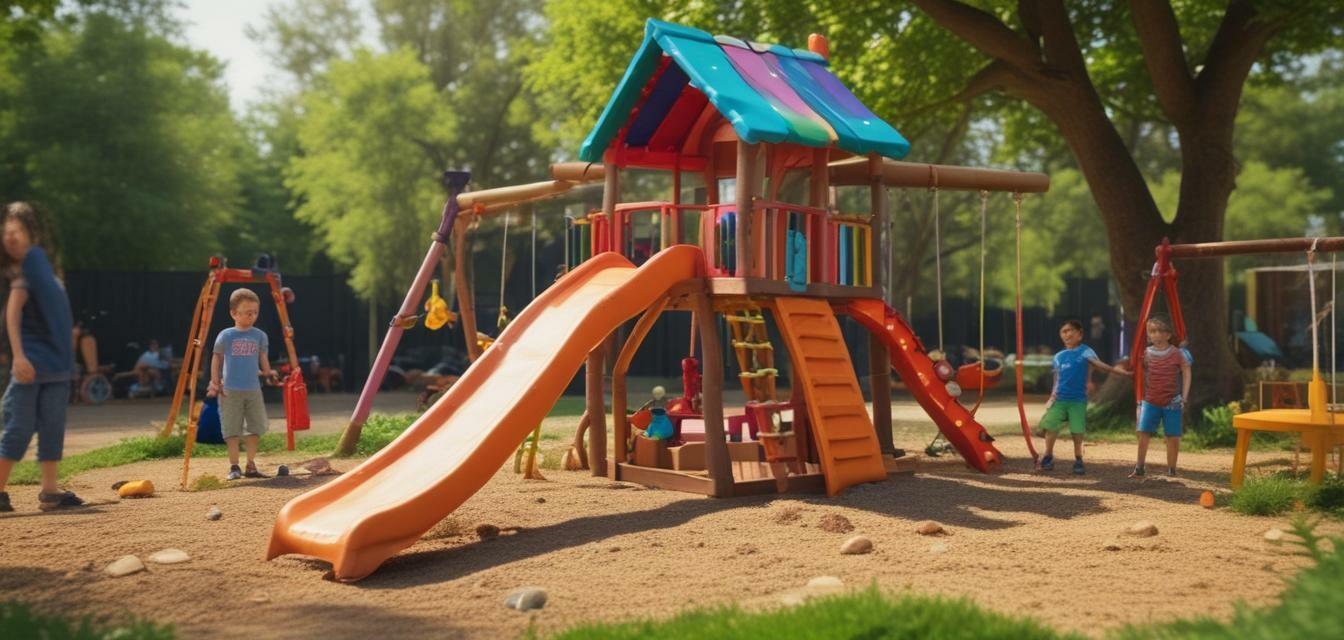
The Impact of Outdoor Play on Cognitive Development
Key Takeaways
- Outdoor play fosters problem-solving skills through exploration and interaction with different environments.
- Physical activities improve attention span and concentration among children.
- Creative play enhances imagination and innovative thinking, crucial for cognitive growth.
- Engagement in outdoor activities can support a child’s emotional wellbeing and social skills.
- Exciting outdoor play options encourage sustainable choices, benefiting both children and the environment.
As parents, guardians, or educators, understanding the positive effects of outdoor play on children's cognitive development is essential. Outdoor play is not just fun; it serves as a vital component of children's growth and learning. Activities in natural settings contribute to various benefits, enabling children to improve problem-solving skills, attention, and creativity. In this article, we will explore how outdoor play impacts cognitive development and which activities parents can encourage for their children.
Understanding Cognitive Development
Cognitive development refers to how children think, explore, and figure things out. It involves the growth of various mental skills including:
- Attention and concentration
- Problem-solving
- Memory
- Language skills
- Reasoning and comprehension
How Outdoor Play Enhances Cognitive Skills
Spending time outdoors allows children to engage with their environment in unique ways. Here are some key aspects of outdoor play that contribute to cognitive development:
1. Problem-Solving Skills
Outdoor environments present various challenges that encourage children to think critically and find solutions. For instance, navigating a climbing structure requires spatial awareness and planning.
2. Attention and Concentration
Outdoor play often involves dynamic activities, which have been shown to improve children's ability to focus and maintain attention. Exposure to natural settings has calming effects that help reduce distractions.
3. Creativity and Imagination
Playing outdoors, especially in unstructured environments, fosters creativity. Kids can engage in imaginative play, create their own game rules, and think innovatively using available resources.
Popular Outdoor Play Activities
To help children maximize their cognitive development, here are some engaging outdoor activities:
| Activity | Skills Developed |
|---|---|
| Climbing Structures | Problem-solving, spatial awareness |
| Outdoor Games (e.g., tag, hide and seek) | Attention, social skills |
| Gardening | Creativity, responsibility |
| Nature Walks | Observation, critical thinking |
| Building Sandcastles | Imagination, motor skills |
The Role of Parents and Caregivers
Encouraging outdoor play requires active involvement from parents and caregivers. Here are a few tips to promote outdoor activities:
- Designate a regular outdoor play time during the week.
- Explore local parks and nature reserves for new adventures.
- Incorporate educational games into outdoor playtime.
- Participate in outdoor activities together to create a bond.
Benefits of Outdoor Play Beyond Cognitive Development
While the focus on cognitive growth is essential, outdoor play also contributes to a child’s physical health, emotional wellbeing, and social development. Engaging in group activities builds teamwork skills while physical exertion helps improve overall health.
Pros
- Enhances cognitive skills through diverse activities.
- Promotes physical health by encouraging active play.
- Provides opportunities for social interaction.
- Stimulates creativity and imagination.
- Builds resilience and problem-solving abilities.
Cons
- Outdoor play may require supervision to ensure safety.
- Weather conditions can limit playtime.
- Some children may feel overwhelmed in busy environments.
- Access to safe outdoor spaces may be restricted in urban areas.
Conclusion
Outdoor play is a crucial element in fostering cognitive development in children. By recognizing its benefits and encouraging various playful activities, parents and caregivers can positively impact their children's growth. For more insights on how to choose the best outdoor toys for your kids, check out our Buying Guides. Remember, the goal is to engage children in a manner that enhances their physical, mental, and emotional skills while allowing them to enjoy the great outdoors.
For the latest trends in outdoor play, explore our section on Trends in Outdoor Play. Understanding the shifts in children's preferences helps you make informed choices for the best developmental toys. Let’s ensure our children grow up in an environment that nurtures their curiosity and active lifestyle!