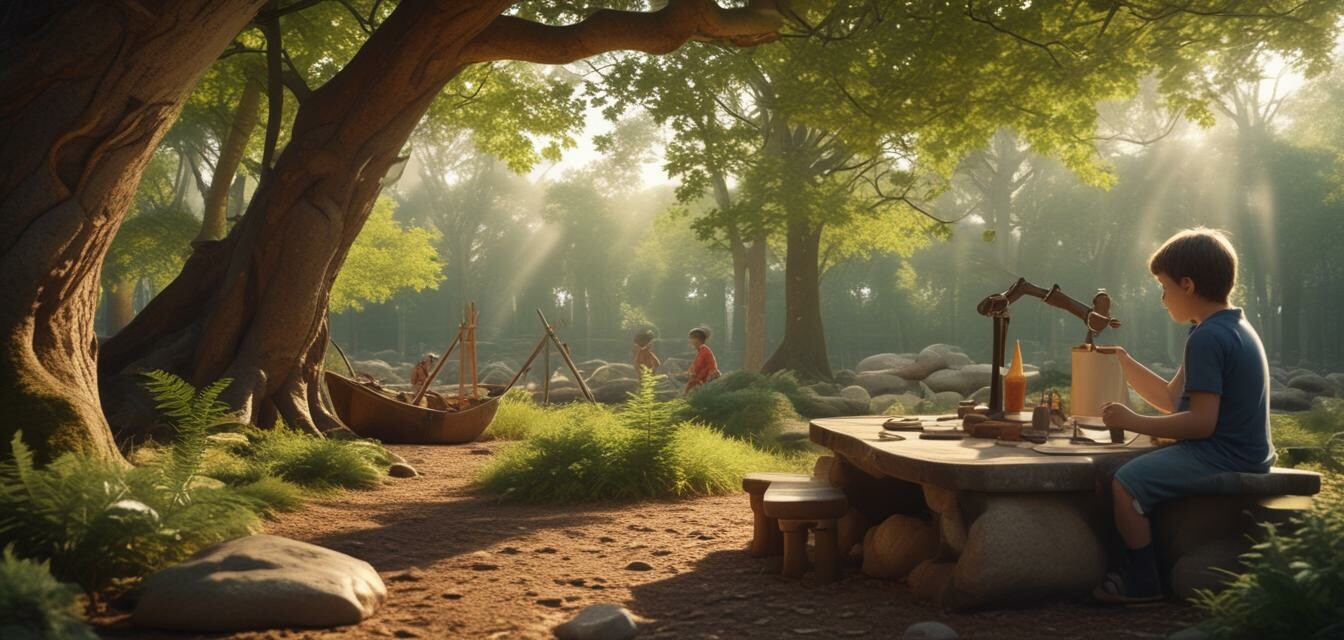
The Growing Popularity of Outdoor Learning Programs
Key Takeaways
- Outdoor learning programs promote hands-on experiential education.
- Nature-based education enhances children's engagement and understanding.
- These programs support physical activity and well-being.
- Parents are increasingly recognizing the benefits of outdoor play.
- Many innovative outdoor toys are being introduced to enhance learning.
In recent years, outdoor learning programs have seen a surge in popularity as parents and educators recognize the numerous benefits of experiential learning that occurs outside of traditional classroom settings. By fostering children's natural curiosity and encouraging exploration, these programs are revolutionizing how education is approached in the modern world. In this article, we will explore the various aspects of outdoor learning and its impact on child development.
What are outdoor learning programs?
Outdoor learning programs are educational initiatives that integrate outdoor activities into the curriculum, providing students with opportunities to learn through hands-on experiences in nature. These programs emphasize exploration and play, allowing children to engage with their environment positively. They can be found in various settings, including schools, community organizations, and camps, and often focus on subjects such as science, ecology, and physical education.
The benefits of outdoor learning
Outdoor learning programs provide a plethora of benefits for children, many of which contribute to their overall well-being and academic success.
- Enhanced engagement: Children are more likely to be engaged in their learning when they are outdoors. The natural elements stimulate curiosity and encourage them to ask questions.
- Improved physical health: Spending time outdoors increases opportunities for physical activity, which is crucial for children's health.
- Boosted mental well-being: Nature has a calming effect on children, reducing stress and anxiety levels.
- Development of social skills: Outdoor programs often promote collaboration and teamwork, allowing children to build lasting friendships.
Outdoor learning vs. traditional classroom learning
When comparing outdoor learning with traditional classroom learning, several crucial differences emerge. Below is a table summarizing some key distinctions.
| Outdoor Learning | Traditional Classroom Learning |
|---|---|
| Experiential learning through hands-on activities | Theoretical learning through lectures and textbooks |
| Integration of nature and environmental awareness | Focus on specific subjects without natural context |
| Promotes physical activity and outdoor exploration | Typically sedentary, with limited outdoor time |
| Encourages risk-taking and problem-solving skills | Emphasizes standardized testing and specific outcomes |
The role of parents in embracing outdoor learning
Parents play a vital role in the encouragement and support of outdoor learning initiatives. By understanding the benefits and advocating for outdoor play, they can contribute significantly to their children's educational experiences. Here are some ways parents can support these programs:
- Encourage outdoor play: Create opportunities for children to explore nature during family outings.
- Choose nature-based toys: Invest in outdoor toys that encourage exploration and creativity.
- Promote schools with outdoor programs: Research and support educational institutions that prioritize outdoor learning.
- Engage in discussions: Talk with teachers and school administrators about the importance of outdoor education.
Emerging trends in outdoor learning programs
The landscape of outdoor learning is continually evolving. Here are a few trends that are shaping the future of outdoor learning:
- Incorporation of technology: Many programs are blending technology and nature by using tools like GPS and environmental sensors.
- Focus on sustainability: Educators are emphasizing eco-friendly practices and sustainability in outdoor activities.
- Community involvement: More programs are collaborating with local organizations to create outdoor learning opportunities for larger groups.
Safety considerations for outdoor learning
While outdoor learning programs provide remarkable benefits, safety should always be a priority. Here are essential tips for ensuring a safe outdoor learning environment:
- Conduct risk assessments regularly to ensure the area is safe.
- Provide appropriate supervision during outdoor activities.
- Ensure all equipment used is safe and suitable for children's ages.
- Provide clear guidelines for children on safe practices while exploring nature.
Conclusion
The increasing popularity of outdoor learning programs reflects a growing recognition of the many advantages that outdoor play and exploration bring to children's education. This trend is changing how parents and educators approach teaching and learning, ultimately promoting healthier, happier children. By embracing outdoor learning programs, families can support their children's growth and development while fostering a love for nature.
Pros
- Hands-on learning experiences
- Promotion of physical activity
- Boosts creativity and problem-solving skills
- Encourages social interaction and teamwork
- Enhances appreciation for nature
Cons
- Weather-dependent activities
- Potential safety risks if not supervised properly
- Need for additional resources and training for educators
For more insights, check our related articles on buying outdoor toys, and discover how to keep safety in mind with our safety tips. Stay updated on the latest trends in outdoor play and explore exciting options in our outdoor games category.