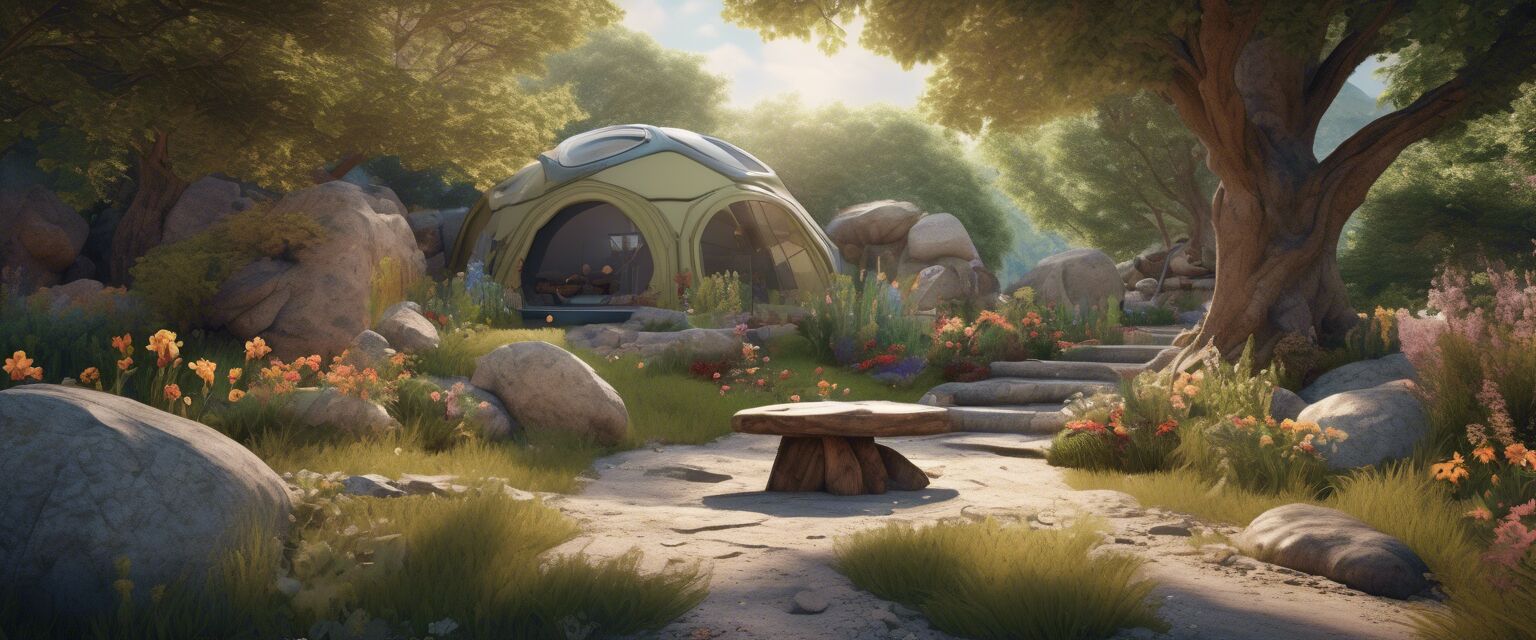
The Rise of Nature-Based Learning for Children
Key Takeaways
- Nature-based learning promotes curiosity and understanding about the environment.
- Outdoor play enhances cognitive and physical development in children.
- Incorporating nature into learning fosters creativity and critical thinking skills.
- Parents are increasingly opting for eco-friendly toys and activities.
- Nature inspires children to engage in collective play, enhancing their social skills.
The concept of nature-based learning has been gaining traction in early childhood education. This approach integrates outdoor play into learning experiences, allowing children to explore and engage with the natural world. By fostering a connection to nature, children develop a deeper understanding of their environment while enhancing critical skills such as creativity, problem-solving, and teamwork. Let's delve deeper into the increasing focus on nature-based learning and its significance in child development.
What is nature-based learning?
Nature-based learning refers to educational approaches that emphasize direct interaction with nature as a fundamental component of the learning process. This method allows children to discover, explore, and engage with their surroundings in a meaningful way. Instead of solely relying on traditional classroom settings, educators are beginning to recognize the value of outdoor play and experiences for children’s growth and development.
Benefits of nature-based learning
There are numerous benefits associated with nature-based learning for children, including:
- Enhanced cognitive skills: Children who engage in outdoor play show improved attention spans and problem-solving abilities.
- Physical development: Running, climbing, and playing outside support gross motor skills and overall fitness.
- Emotional well-being: Nature helps reduce stress and anxiety levels, providing a calming effect on children.
- Social skills: Group activities in outdoor settings promote collaboration and teamwork among peers.
The role of outdoor play in child development
Outdoor play is a vital aspect of nature-based learning that contributes significantly to child development. By engaging in various activities, children not only stimulate their bodies but also their minds. Below are details on how outdoor play impacts different developmental areas:
| Developmental Area | Impact of Outdoor Play |
|---|---|
| Cognitive Development | Enhances critical thinking and problem-solving skills through exploration and experimentation. |
| Physical Development | Promotes gross motor skills through activities like running, jumping, and climbing. |
| Social Development | Encourages teamwork and communication during group activities and games. |
| Emotional Development | Fosters independence and resilience through challenges faced in outdoor environments. |
Current trends in nature-based learning
As parents and educators increasingly recognize the benefits of nature-based learning, several trends are emerging in this space:
- Incorporating eco-friendly toys: Parents are leaning towards toys that promote outdoor play while being sustainable.
- Community outdoor programs: Local organizations are offering outdoor learning sessions for children to foster community engagement.
- Nature-based curricula: Schools are integrating nature-focused lessons and activities into their existing programs.
- Technology use in nature: There is a rising trend to combine technology with nature learning, utilizing apps and platforms to enhance the outdoor experience.
How parents can support nature-based learning at home
Parents play a crucial role in facilitating nature-based learning for their children. Here are some practical tips:
Tips for parents
- Encourage outdoor play by creating a safe and engaging play area in your garden or yard.
- Plan nature walks to explore local parks or natural reserves, asking your child questions about what they see.
- Incorporate eco-friendly toys that align with nature-based learning, like gardening kits or building blocks.
- Create opportunities for free play, allowing your child to explore and discover with minimal direction.
- Engage in activities like planting vegetables or flowers together, discussing the importance of nature and sustainability.
Conclusion
The rise of nature-based learning is an encouraging trend for the future of children's education. By incorporating outdoor play and engaging with the natural world, children not only develop valuable skills but also form a strong connection with the environment. As we move forward, it's imperative for parents and educators to continue championing outdoor learning opportunities, recognizing their potential to nurture curious, healthy, and engaged children.
Pros
- Enhances children's cognitive, physical, and social skills.
- Boosts creativity and resilience through outdoor exploration.
- Encourages collaborative play and improves communication skills.
- Fosters a sense of environmental responsibility.
Cons
- Outdoor play may depend on weather conditions.
- Some parents may have concerns about safety in natural environments.
- Access to nature may not be readily available in certain areas.