The Shift Towards Nature-Based Education in Outdoor Play
Key Takeaways
- Nature-based education promotes holistic development in children.
- The approach emphasizes experiential learning through direct interaction with nature.
- Outdoor play helps children develop physical, social, and emotional skills.
- Integration of natural elements in play enhances creativity and critical thinking.
- Parents and educators are increasingly favoring eco-friendly outdoor play options.
The concept of nature-based education is gaining traction in various learning environments, particularly in outdoor play settings. Parents and educators are recognizing the myriad benefits this approach offers in nurturing children's growth. This article will delve into how integrating natural elements in play supports the holistic development of children through experiential learning.
Understanding nature-based education
Nature-based education encompasses teaching methods that involve outdoor experiences, particularly in natural environments. It emphasizes the importance of hands-on learning, encouraging children to explore, observe, and engage with their surroundings.
Why nature matters in child development
Research shows that exposure to nature has numerous benefits for children, enhancing various aspects of their development:
| Area of Development | Benefits of Nature |
|---|---|
| Physical | Encourages active play, improving motor skills and overall fitness. |
| Cognitive | Stimulates curiosity and critical thinking, fostering problem-solving skills. |
| Social | Promotes cooperation and teamwork through group play activities. |
| Emotional | Helps in reducing stress and anxiety, boosts self-esteem through mastery of new skills. |
The role of outdoor play in experiential learning
Outdoor play that incorporates natural elements serves as a powerful medium for experiential learning. Children learn best when they are directly involved in the learning process. Here's how outdoor play enhances experiential learning:
- Engagement: Outdoor settings capture children's attention and foster engagement.
- Exploration: Kids are naturally curious, and an outdoor environment encourages them to explore and discover.
- Creativity: Natural settings stimulate creativity as children use materials around them to invent games and stories.
- Risk-taking: Outdoor play allows for safe risk-taking, essential for learning about boundaries and resilience.
Examples of nature-based play activities
When integrating nature into play, a variety of activities can be encouraged. Here are some examples:
- Building a fort using branches and foliage.
- Creating a treasure hunt with natural items like pinecones, leaves, and stones.
- Exploring local parks to identify different trees and flowers.
- Gardening activities that involve planting seeds and caring for plants.
Embracing eco-friendly outdoor play options
As the demand for nature-based education grows, so does the preference for eco-friendly outdoor play equipment. Parents are increasingly seeking products that not only offer fun but also respect and enhance the natural environment.
Factors driving the popularity of eco-friendly options
| Factor | Description |
|---|---|
| Sustainability | Parents want products made from sustainable materials like recycled wood and non-toxic finishes. |
| Health consciousness | A rising awareness of the importance of non-toxic play environments encourages eco-friendly choices. |
| Environmental awareness | Many parents wish to instill a sense of environmental consciousness in their children from a young age. |
Designing play spaces for nature integration
Parents and educators can create outdoor play spaces that foster nature-based education by considering the following elements:
Tips for designing nature-friendly play spaces
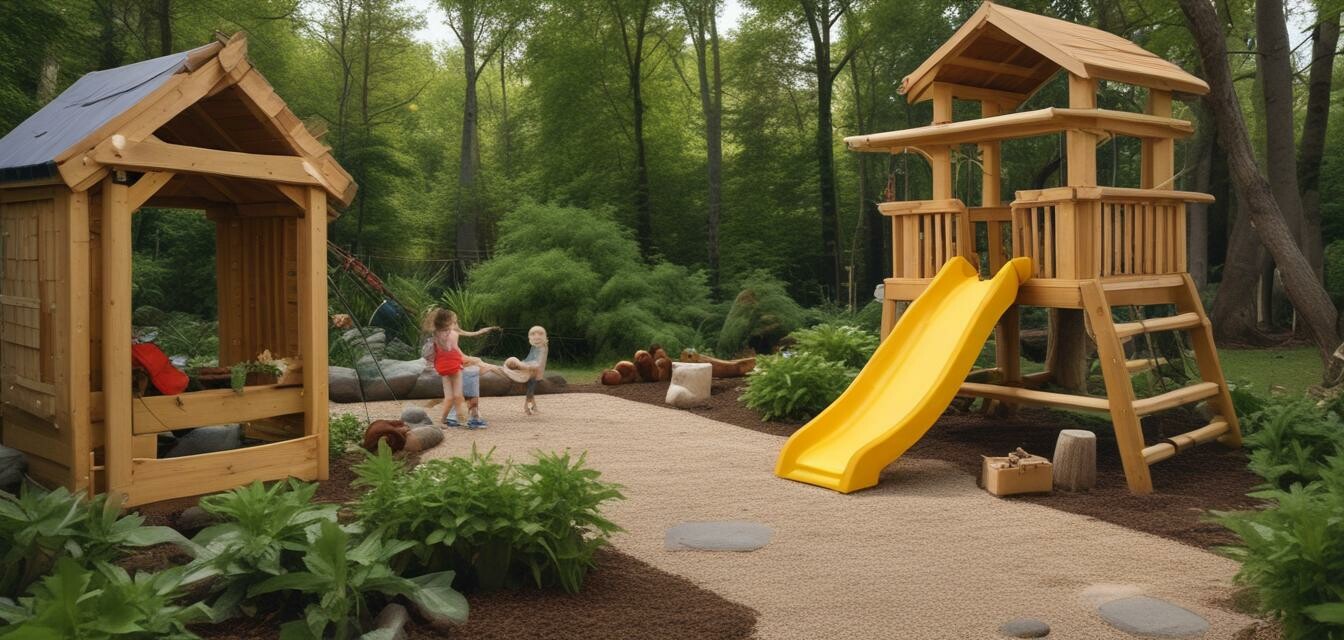
- Incorporate natural elements like logs, stones, and plants into the play area.
- Ensure there is a balance of open spaces and sheltered areas to encourage exploration.
- Provide flexible play structures that can adapt to various activities.
- Include sensory elements such as sand, water, and gardens to enhance exploration.
The future of outdoor play and learning
As society shifts towards recognizing the importance of nature in education, we can expect to see more emphasis on outdoor play integrated with nature-based education across schools and communities. This shift not only benefits children but also promotes a healthier relationship with the environment.
Conclusion
In summary, the trend of integrating nature-based education into outdoor play is reshaping how we approach child development. By understanding the benefits and actively creating opportunities for children to engage with nature, we prepare them for a promising future filled with active play and lifelong learning.
Pros
- Enhances physical health through active outdoor play.
- Promotes cognitive skills through exploration and creativity.
- Fosters emotional well-being and resilience.
- Supports social skills through collaborative play.
Cons
- Potential risks of outdoor play (falls, injuries) need to be managed.
- Weather-dependent activities may limit engagement.
- Requires more space and resources than traditional play areas.
For more insights on trends in outdoor play, visit our Trends in Outdoor Play section. Learn about safety at play with our Safety Tips guide. Discover great Climbing Structures options to enhance your child's playtime!