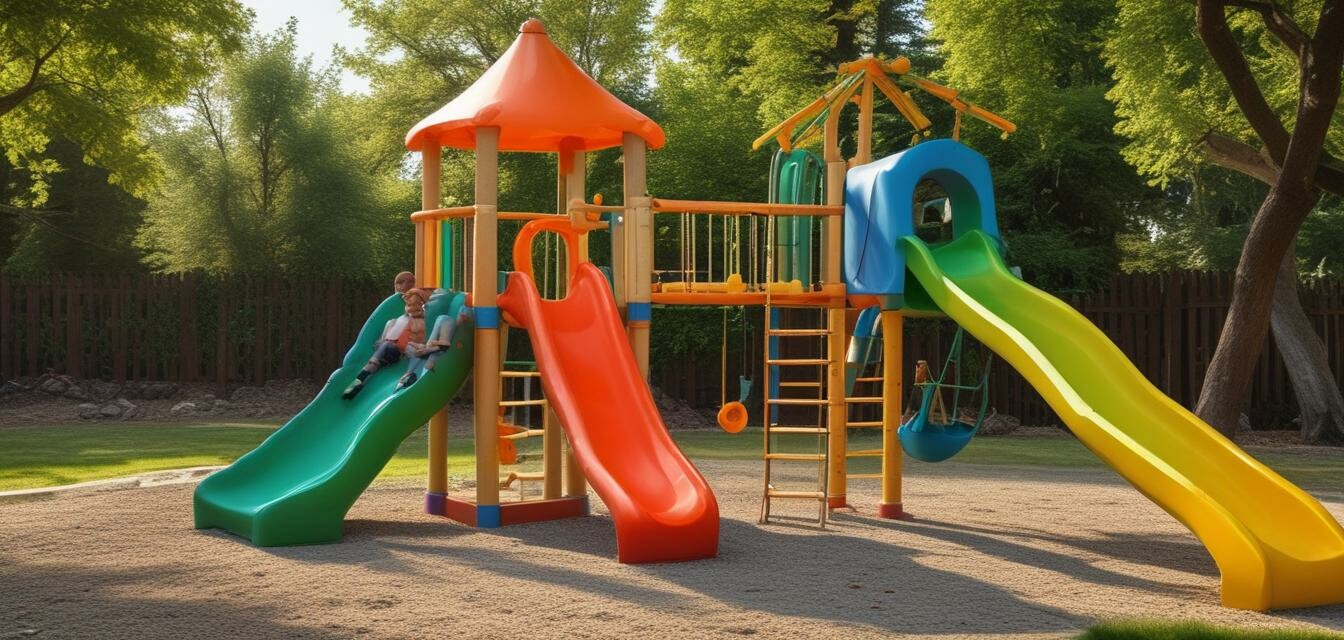
The influence of playwork on outdoor play experiences
- Playwork focuses on enhancing children's outdoor play experiences.
- Trained playworkers ensure safe and engaging environments.
- Diverse play options cater to children's individual needs.
- Playwork encourages creativity, social skills, and physical activity.
- Understanding trends in outdoor play can help parents make informed choices.
Outdoor play is an essential part of childhood development, providing opportunities for children to explore, create, and interact with their environment. In recent years, the field of playwork has emerged as a pivotal player in enriching these outdoor experiences. This article delves into how trained playworkers contribute significantly to children’s play, highlighting the benefits of their role in creating fun, safe, and stimulating outdoor environments.
What is playwork?
Playwork is a specialized field focused on facilitating children's play. Playworkers are trained professionals who understand the importance of play in children’s lives and work to create supportive environments where children can thrive. Their primary goal is to enhance play experiences by respecting children's autonomy while ensuring their safety.
Benefits of playwork in outdoor play
The integration of playwork into outdoor settings offers numerous advantages that contribute to enhancing children's experiences. Here are some key benefits:
- Safety first: Playworkers are trained to assess and manage risks, creating safer play environments.
- Encouraging creativity: They encourage imaginative play, helping children explore various scenarios and roles.
- Social skills development: By providing group play opportunities, playworkers foster teamwork and communication among children.
- Enhancing physical activity: Playworkers promote active play, which is essential for physical health and development.
- Inclusive play: They adapt play activities to meet the diverse needs of all children, ensuring everyone can participate.
Common playwork strategies
Playworkers utilize several strategies to engage children and promote meaningful play. Below are some effective methods employed in this field:
| Strategy | Description |
|---|---|
| Observation | Monitoring children's play to understand their interests and needs without interference. |
| Facilitation | Setting up play environments and providing resources while encouraging children to lead their play. |
| Encouragement | Supporting children’s choices and ideas, boosting their confidence and creativity. |
| Community involvement | Working with families and communities to understand cultural values in play. |
Trends in outdoor play influenced by playwork
The field of playwork not only enhances current play experiences but also influences emerging trends in outdoor play. Here are some notable trends:
Pros
- Increased awareness of the importance of playwork in childhood development.
- More investment in safe, engaging outdoor play spaces.
- Innovations in play equipment that promote active engagement.
- Growing emphasis on outdoor learning alongside play.
Cons
- Challenges in securing funding for playwork programs.
- Potential misconceptions about the role of playworkers.
- Need for continued training and professional development in playwork.
The future of playwork in outdoor play
As society continues to recognize the critical role of play in child development, the field of playwork is expected to grow. More parents are becoming informed about the impact of play on their kids, leading to a demand for better-equipped, play-friendly environments. The following predictions outline the future trajectory of playwork in outdoor settings:
- Increased collaboration between schools and playwork professionals to create holistic play strategies.
- Development of eco-friendly play equipment that aligns with sustainability trends.
- Enhanced training programs for playworkers emphasizing diverse play approaches.
- Integration of technology in play while promoting active outdoor play.
- Broader recognition of playwork as a legitimate profession.
Conclusion
The influence of playwork on outdoor play experiences cannot be understated. Trained playworkers play a crucial role in enhancing children’s outdoor experiences, ensuring that they are not only fun but also safe and inclusive. As we continue to embrace the value of outdoor play, the contributions of playworkers will remain at the forefront, shaping how children engage with their environment and each other.
Tips for parents
- Encourage your children to engage in outdoor play regularly.
- Look for environments where playwork principles are applied.
- Engage with playworkers to understand your child's needs during play.
- Consider eco-friendly toys to promote sustainability during playtime.
- Stay informed about trends in outdoor play to make better purchasing decisions.
For more insights into outdoor play trends, check out our article on trends in outdoor play or explore our buying guides for selecting the best outdoor toys. Understanding the latest trends can help you provide a more enriching outdoor experience for your children.