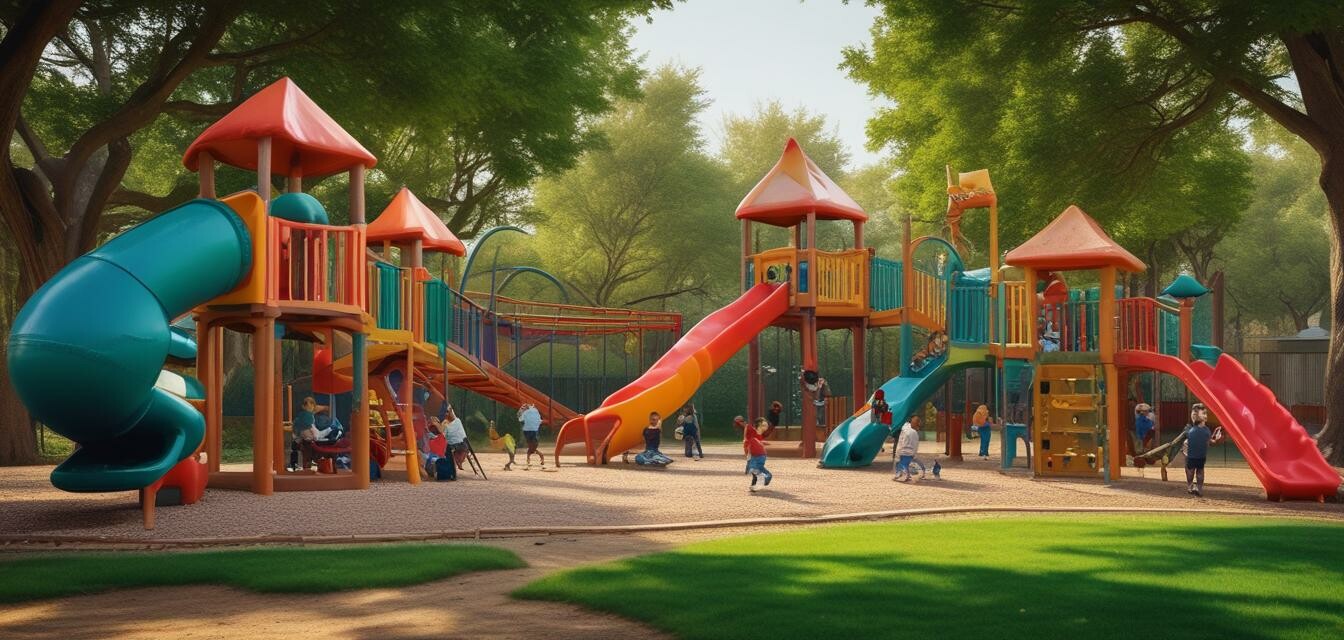
The Growth of Community-Based Outdoor Play Initiatives
As the importance of outdoor play for children's development becomes increasingly recognized, community-based outdoor play initiatives are gaining traction. These initiatives encourage collaboration among parents, schools, and local organizations to improve play environments, making outdoor spaces more accessible and enjoyable for children. In this article, we’ll explore the trends that define these initiatives, the benefits they bring to communities, and how you can get involved.
Key Takeaways
- Community initiatives enhance outdoor play access and quality for children.
- Collaboration between parents, schools, and local organizations is essential.
- Outdoor play fosters physical, social, and emotional development in children.
- Emerging trends include eco-friendly designs and technology integration.
- Participating in local initiatives promotes a sense of community and connection.
The Importance of Outdoor Play
Playing outside is crucial for children's development. It allows them to engage in physical activity, practice social skills, and explore their environment. Below are some key benefits of outdoor play:
- Physical Development: Outdoor play promotes exercise and helps develop motor skills.
- Social Skills: Children learn to cooperate, share, and resolve conflicts while playing with others.
- Emotional Well-being: Interacting with nature has been linked to lower stress levels and improved mood.
Trends in Community-Based Outdoor Play Initiatives
The landscape of outdoor play is constantly evolving. Let's dive into some of the latest trends observed in community-based initiatives:
| Trend | Description |
|---|---|
| Collaboration | Schools, parents, and local organizations joining forces to create better play experiences. |
| Eco-Friendly Materials | Using sustainable materials for playground equipment and structures. |
| Technology Integration | Incorporating interactive technology to enhance children's play experiences. |
| Focus on Inclusivity | Creating accessible play environments for children of all abilities. |
| Community Gardens | Integrating gardens into play areas to encourage learning and interaction with nature. |
How to Get Involved
Getting involved in community-based outdoor play initiatives can greatly benefit you and your neighborhood. Here are some actionable steps:
- Join Local Parent Groups: Connect with other parents who are passionate about improving outdoor play.
- Advocate for Improvements: Work with schools and local organizations to promote better play environments.
- Participate in Activities: Join or host outdoor play events to encourage community engagement.
- Support Eco-Friendly Initiatives: Volunteer with organizations that focus on environmentally-friendly play areas.
- Educate Others: Share information about the benefits of outdoor play with friends and family.
The Role of Schools and Local Organizations
Schools and local organizations play a pivotal role in shaping outdoor play initiatives. They provide resources, funding, and a structure for community involvement.
- Resource Allocation: Schools can allocate funds for playground renovations.
- Programs and Events: Local organizations can host activities to promote outdoor play.
- Safety Training: Offering workshops on safe outdoor play practices.
Success Stories
Across the country, various communities have successfully implemented outdoor play initiatives. Here are a few uplifting examples:
| Community | Initiative |
|---|---|
| Sunnydale | Transformed a vacant lot into a vibrant playground and community garden. |
| Riverwood | Partnered with schools to create a series of outdoor learning spaces. |
| Greenfield | Hosted annual outdoor play festivals to engage families and promote local resources. |
Pros
- Enhances children’s physical and social skills.
- Strengthens community bonds and relationships.
- Promotes awareness of sustainability and eco-friendly practices.
- Increases accessibility to outdoor play areas for all children.
Cons
- Requires ongoing funding and community involvement.
- Challenge in coordinating between multiple stakeholders.
- Potential conflicts in usage priorities among different groups.
Conclusion
The growth of community-based outdoor play initiatives represents a significant shift in how neighborhoods view child development and play. By working collaboratively, we can create environments that not only enhance play opportunities but also foster a sense of belonging among community members. Whether you’re a parent, educator, or community member, there’s an opportunity for you to support the next generation in living a happy and healthy outdoor lifestyle. For more insights on creating playful environments, check our buying guides and safety tips categories.