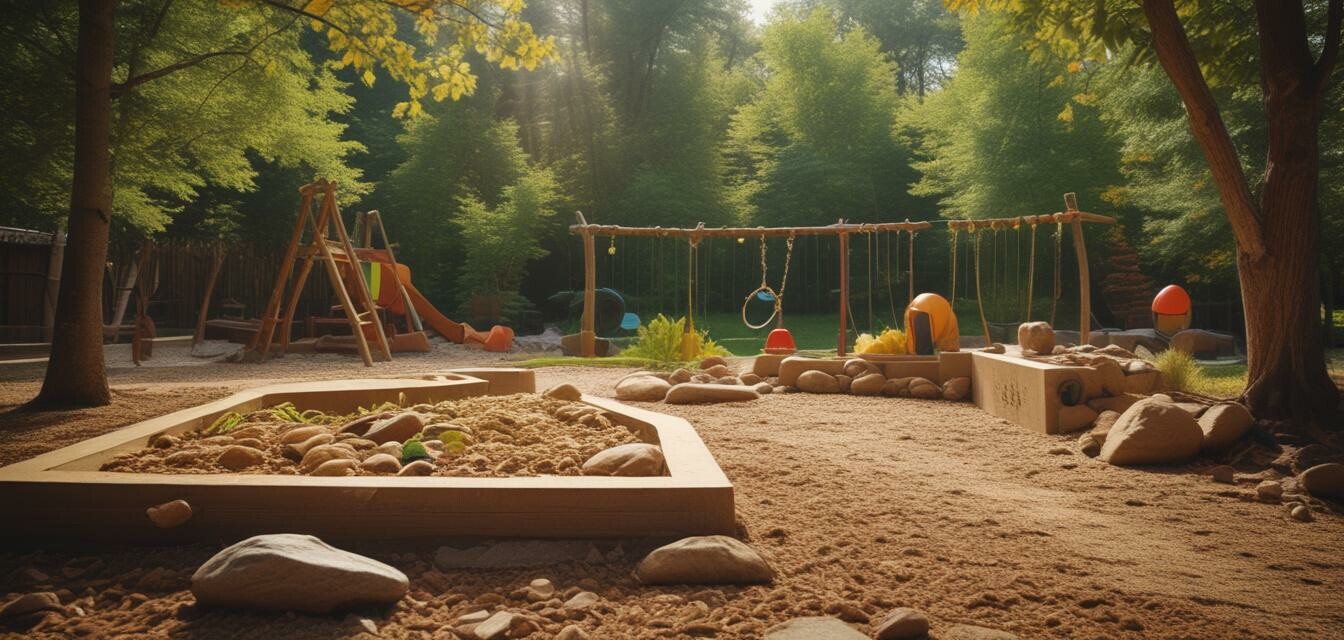
Exploring sensory play: Engaging kids with nature
Key Takeaways
- Sensory play promotes exploration and creativity in children.
- Utilizing nature enhances sensory experiences through various textures and sounds.
- Engaging in outdoor sensory play fosters an appreciation for the environment.
- Parents can create simple and engaging sensory activities with natural materials.
- Group activities can lead to enhanced social skills and teamwork among children.
Sensory play is critical in a child’s development, as it not only enhances their ability to explore the world but also nurtures important skills like cognitive functioning, motor skills, and social interactions. By bringing sensory play outdoors, children can connect deeply with nature, enjoying all the rich experiences it offers.
The significance of sensory play
Sensory play involves any activity that stimulates a child’s senses, including touch, taste, sight, sound, and even smell. Engaging in this type of play is essential for developing:
- Cognitive skills: Children learn cause and effect, improve problem-solving abilities, and enhance their creativity.
- Motor skills: Manipulating various materials helps develop hand-eye coordination and fine motor skills.
- Emotional regulation: Interacting with different sensory experiences can help children express and understand their emotions.
- Social skills: Sensory play often involves group activities, fostering collaboration and communication among peers.
Outdoor environments for sensory experiences
Outdoor environments provide unique opportunities for sensory play. They encompass a variety of elements that stimulate the senses. Let’s explore how nature can serve as a playground for children’s minds and bodies:
| Natural Element | Associated Sensory Experience | Activities to Explore |
|---|---|---|
| Sand | Texture, temperature | Building structures, digging, pouring |
| Water | Temperature, movement | Splashing, floating objects, mixing |
| Leaves | Texture, sound | Crushing, sorting, using in art projects |
| Rocks | Weight, texture | Stacking, throwing, identifying |
| Flowers | Color, scent | Smelling, collecting, discussing colors |
Creating sensory-rich play opportunities
Parents and caregivers can easily create sensory-rich play opportunities in outdoor settings using the resources available in nature. Here are some simple ideas:
- **Nature scavenger hunt:** Create a list of items for children to find, such as different types of leaves, rocks, or flowers.
- **Sensory bins:** Fill containers with various materials like sand, mud, or water, allowing children to manipulate and explore at their own pace.
- **Tactile pathways:** Use stones, wood chips, or sand to create a sensory pathway for children to walk on, enhancing their awareness of different textures.
- **Bubble play:** Incorporate bubble wands or machines to engage children’s sense of sight and movement.
- **Garden activities:** Allow children to engage with plants by digging, planting, or watering to foster their connection with nature.
How sensory play fosters a connection with nature
Engaging in sensory play outdoors not only offers hands-on experiences but also helps to cultivate a deeper love and respect for the environment. When children engage with natural materials, they:
- Become more aware of their surroundings.
- Develop an appreciation for nature’s beauty and diversity.
- Learn about ecosystems and the importance of preserving them.
Safety tips for outdoor sensory play
When conducting sensory play outdoors, consider the following safety tips:
- Ensure the play area is free of hazards such as sharp objects or harmful plants.
- Supervise children closely, especially near water or uneven surfaces.
- Discuss the importance of respecting nature by not disturbing wildlife or damaging plants.
Tips for beginner parents
- Start small: Choose a few simple sensory activities that can be integrated into daily outdoor time.
- Observe reactions: Pay attention to your child’s interests and modify activities to enhance their engagement.
- Join in: Participate in the sensory play with your child to foster bonding and demonstrate exploration.
Conclusion
In conclusion, sensory play is an important aspect of children’s development, empowering them to explore and connect with their environment. Outdoor sensory experiences not only enhance playtime but also nurture a lifelong appreciation for nature. By incorporating simple activities utilizing natural materials, parents can help their children reap the benefits of sensory play while enjoying the great outdoors.
For more insights into different aspects of outdoor play, consider checking out our Buying Guides for great tips, or visit our Safety Tips section to learn more about keeping your kids safe while they play. Diving deeper into our Outdoor Games category will offer you a variety of options to enhance your child’s playtime experiences further. Remember, exploring the world through play is vital for your child’s growth!