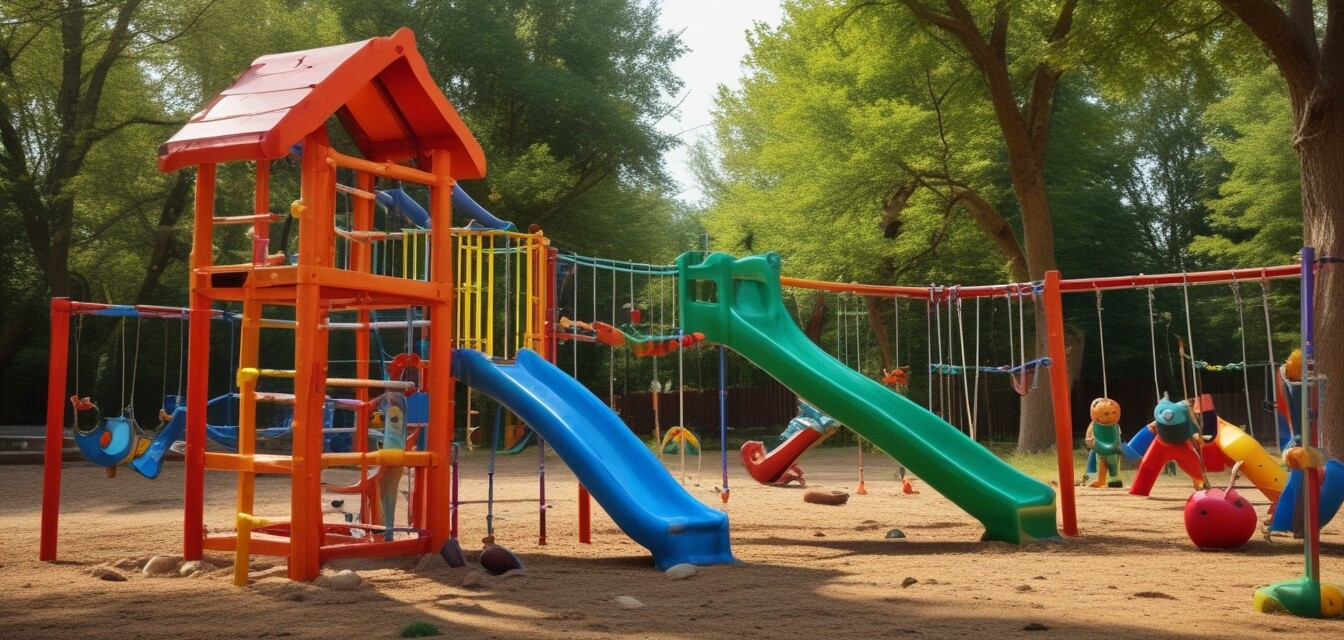
Benefits of Unstructured Outdoor Play
Key Takeaways
- Unstructured outdoor play enhances creativity and problem-solving skills.
- It promotes physical health and well-being among children.
- Social interactions during play foster communication and teamwork.
- Exposure to nature supports emotional development and calmness.
- Children develop independence and decision-making skills through free play.
As parents navigate today's structured lifestyles, understanding the importance of unstructured outdoor play is vital for fostering children's growth. This article dives into the myriad benefits that come from allowing children the freedom to play outside without constraints. In an age where schedules are packed, and screens are prevalent, letting kids explore their creativity and interact with nature can be a refreshing change.
What is Unstructured Outdoor Play?
Unstructured outdoor play refers to playtime that is freely chosen by children without predefined rules or adult direction. It encompasses a variety of activities, ranging from climbing trees to creating imaginary games and simply exploring the environment. This type of play is crucial for helping children develop various skills that are essential in life.
Benefits of Unstructured Outdoor Play
| Benefit | Description |
|---|---|
| Creativity Boost | Without adult-imposed limits, children can imagine and create, using the outdoors as their canvas. |
| Problem-Solving Skills | Facing challenges in play, like building a fort or solving disputes with friends, develops critical thinking. |
| Social Interaction | Playing with peers enhances communication skills and teamwork, fostering deep connections. |
| Physical Health | Active play encourages physical development and helps combat childhood obesity through enjoyable exercise. |
| Emotional Regulation | Outdoor play reduces anxiety and stress, promoting emotional well-being. |
| Independence | Free play allows children to make choices and develop autonomy. |
How Unstructured Outdoor Play Fosters Key Skills
When children engage in unstructured outdoor play, they naturally acquire a variety of essential skills:
- Creativity and Imagination: The open-ended nature of free play allows children to experiment and innovate.
- Social Skills: Interacting with other children promotes empathy, negotiation skills, and friendship.
- Physical Skills: Climbing, running, and jumping build gross motor skills and coordination.
- Environmental Awareness: Exploring nature fosters appreciation for the environment and understanding of ecosystems.
Encouraging Unstructured Play in Today’s World
As technology continues to tempt children indoors, encouraging outdoor play requires intentionality. Here are some strategies:
Tips for Parents:
- Designate a safe outdoor area where children can play freely.
- Provide a variety of simple, open-ended toys such as balls, water play gadgets, and climbing structures.
- Limit screen time and encourage outdoor explorations during free hours.
- Join in the fun! Playing alongside your children helps model healthy play behaviors.
- Encourage children to invent their games and establish their rules.
The Role of Safety in Unstructured Play
While promoting unstructured play, it is essential to prioritize safety. Parents should ensure that play areas are secure and that children understand safety guidelines to prevent accidents. Educating children about their surroundings helps create a balanced environment where they can explore without fear.
Conclusion
Unstructured outdoor play is crucial for nurturing creative, social, and physical skills in children. While structured activities have their place, the benefits of allowing kids to play freely outdoors cannot be overstated. By encouraging this natural behavior, parents can help their children grow into well-rounded individuals prepared to face the challenges of tomorrow.
Pros
- Enhances creativity and imagination.
- Promotes social skills and teamwork.
- Encourages physical activity and health.
- Fosters independence and decision-making.
- Reduces stress and improves emotional well-being.
Cons
- Potential risk of minor injuries or accidents.
- Requires supervision to ensure safety.
- Can be challenging to implement in urban environments.
For more insights on promoting outdoor activities for children, explore our buying guides and safety tips. Stay updated on the latest trends in outdoor play to ensure your child enjoys the best from their play experiences.