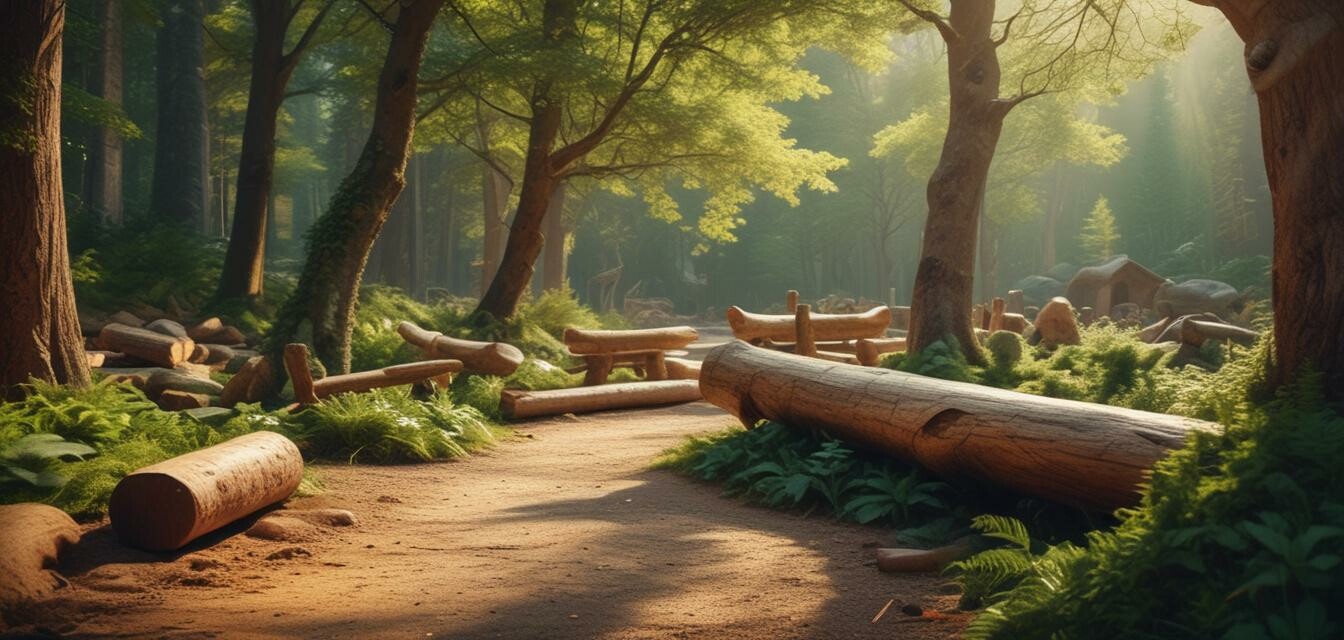
Exploring the Benefits of Nature Playgrounds
Key Takeaways
- Nature playgrounds promote physical, social, and cognitive development in children.
- Unstructured play in natural settings boosts creativity and problem-solving skills.
- Spending time in nature enhances children's overall well-being.
- Nature play fosters an appreciation for the environment and ecological awareness.
- Parents are increasingly favoring eco-friendly play options that support healthy lifestyles.
As parents, we continually seek the best environments for our children to play and grow. One approach that is gaining traction is the concept of nature playgrounds. Unlike traditional playgrounds filled with plastic and metal structures, these playgrounds integrate the natural landscape, offering children the opportunity to engage in unstructured play surrounded by trees, flowers, and natural elements. In this article, we will explore the benefits of nature playgrounds and how they contribute to children's overall development.
The rise of nature playgrounds
The growing popularity of nature playgrounds can largely be attributed to the understanding that children benefit immensely from connecting with nature. As society becomes more aware of the value of outdoor play, many parks, schools, and communities are investing in these innovative spaces. The trend offers families and communities a plethora of benefits, including the following:
Physical benefits
- Encourages active play: Children engage in physical activities that promote strength, coordination, and balance.
- Boosts overall health: Regular outdoor play is linked to better physical health and reduced risk of obesity.
- Improves motor skills: Navigating natural equipment, such as logs and rocks, helps develop fine and gross motor skills.
Cognitive benefits
- Stimulates creativity: Nature play inspires imaginative thinking and encourages problem-solving.
- Promotes exploration: Children learn to observe their surroundings, enhancing curiosity and observation skills.
- Builds concentration: Natural settings provide fewer distractions, allowing children to focus on their play.
Social benefits
- Fosters teamwork: As children engage in group play, they learn valuable social skills and how to collaborate with others.
- Encourages communication: Outdoor environments naturally facilitate conversation and interaction among peers.
- Builds resilience: Challenges presented in nature help children learn to cope with setbacks, strengthening their emotional resilience.
Nature playgrounds vs. traditional playgrounds
| Aspect | Nature Playgrounds | Traditional Playgrounds |
|---|---|---|
| Materials | Natural elements like wood, stones, and plants | Plastic and metal structures |
| Play Style | Unstructured and open-ended | Structured and guided |
| Cognitive Engagement | Enhances creativity and critical thinking | Focuses mainly on physical play |
| Health Benefits | Boosts physical and mental health | Primarily physical health |
How to create a nature playground
If you're interested in creating a nature playground in your community or backyard, consider the following tips:
Tips for creating a nature playground
- Incorporate natural elements: Use logs, boulders, sand, and plants instead of traditional play equipment.
- Make it safe: Ensure play areas are free from hazardous plants and unstable ground.
- Promote biodiversity: Plant native species to attract diverse wildlife for children to explore.
- Create open spaces: Provide clear areas for children to explore their own creativity.
- Engage the community: Encourage local residents to participate in the design and maintenance of the playground.
Encouraging nature play at home
Besides public nature playgrounds, you can also encourage outdoor play at home. Here are some ideas:
- Organize scavenger hunts in local parks.
- Plant a garden together and watch it grow.
- Set up a nature art station with materials found in the yard.
- Create obstacle courses using natural materials.
- Schedule regular outdoor playdates to strengthen social skills.
The future of outdoor play
As more parents embrace the value of nature play, we can expect to see a significant shift in children's outdoor experiences. Communities will continue to create spaces that promote active lifestyles through immersive natural environments. By investing in nature playgrounds, we are not only facilitating fun and engaging playtime but also nurturing healthier, more resilient children.
Conclusion
Nature playgrounds present numerous advantages to children, nurturing their physical, cognitive, and social development through unstructured play. As communities recognize the importance of outdoor play, we can expect an increase in eco-friendly, nature-based play spaces. By allowing our children to explore and play in nature, we are providing them with valuable skills for the future. To discover more trends related to outdoor play, check out our Trends in Outdoor Play section.
Pros
- Enhances children's physical development.
- Promotes creativity and problem-solving skills.
- Encourages social interaction and teamwork.
- Fosters a connection with nature.
- Provides varied and stimulating play opportunities.
Cons
- May require more maintenance than traditional playgrounds.
- Environmental factors can impact the play experience (e.g., weather).
- Initial setup cost may be higher due to natural materials.