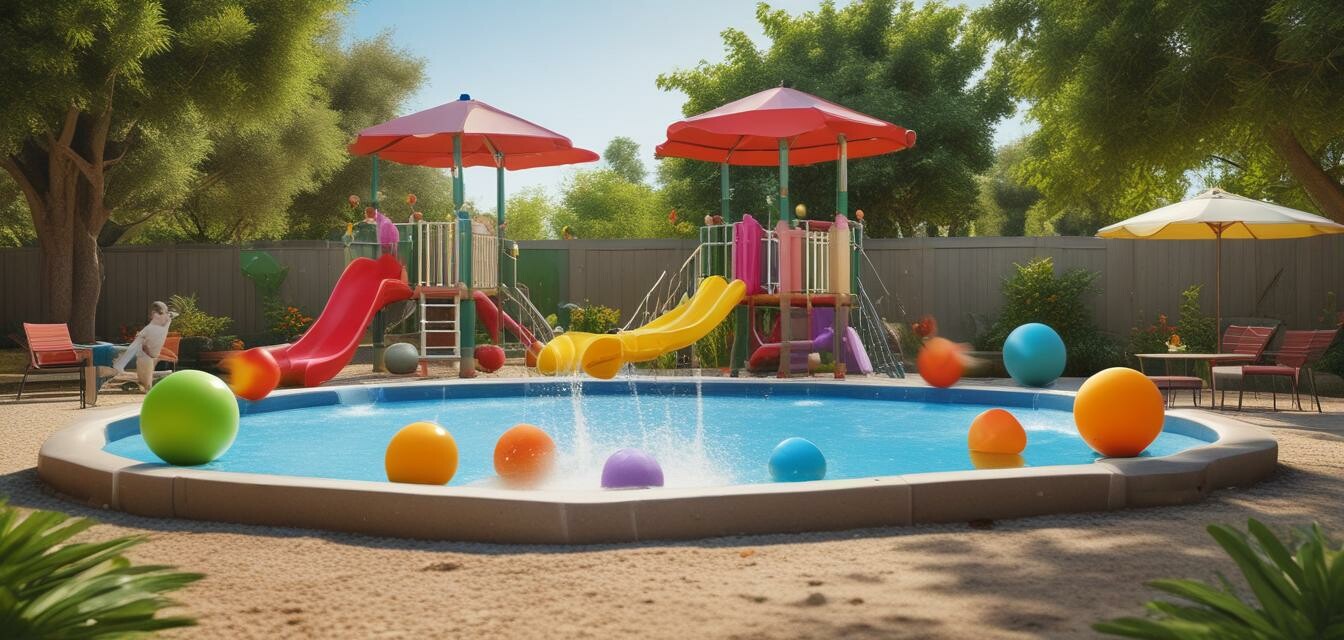
Water safety tips for parents: Keeping kids safe
Key Takeaways
- Supervise children at all times during water play.
- Teach kids about pool and water safety rules.
- Invest in quality floatation devices and gear.
- Regularly inspect water play areas for hazards.
- Be aware of local weather conditions before heading out.
As warmer weather approaches, many families will be tempted to enjoy outdoor water activities. While water play can be incredibly fun for children, parents must prioritize safety to ensure enjoyable experiences. This guide will discuss essential water safety practices that parents can follow while supervising their children during any water play activities.
Understanding the importance of water safety
Every year, thousands of children experience accidents while playing in or near water. It is crucial for parents to understand the risks associated with water activities and implement proper safety measures. Keeping a watchful eye, teaching kids safety rules, and having appropriate gear are steps every parent can take to minimize risks.
Top water safety tips for parents
1. Supervise children at all times
Active supervision is the most effective way to keep kids safe in the water. No matter how shallow or calm the water seems, always make sure an adult is nearby to watch over the children.
2. Teach safety rules
Incorporating water safety education starts early. Teach children the following rules:
- Never run near the pool or water play area.
- Avoid diving or jumping into unknown water.
- Always ask for permission before entering the water.
- Stay within designated safe areas.
3. Invest in quality floatation devices
While floatation devices can provide an extra layer of safety, they should never replace responsible adult supervision. Make sure any floaties or life vests are U.S. Coast Guard-approved. Here are some tips for choosing the right gear:
| Type of Device | Use | Features |
|---|---|---|
| Life Jacket | Deep water activities | High buoyancy, secure fit |
| Arm Floaties | Shallow water play | Lightweight, easy to wear |
| Inflatable Pool Toys | Recreational use | Soft materials, fun designs |
4. Inspect equipment regularly
Check all water play areas to ensure they are safe. Look for:
- Sharp edges or broken structures.
- Hazardous materials around pools or water toys.
- Loose or missing parts on flotation devices.
5. Be aware of weather conditions
Always keep an eye on the weather when planning outdoor water activities. Lightning and thunderstorms can pose serious dangers. If bad weather approaches, it's crucial to clear everyone from the water immediately.
When to seek help
If any accidents occur, knowing when to seek help can make a significant difference. Here are cases where contacting professional help is necessary:
- Any injury from diving or jumping into the water.
- Signs of distress or drowning in a child.
- Severe allergic reactions from water toys or materials.
Resources for additional safety information
For more extensive guidelines on keeping your kids safe during outdoor play, check out our Safety Tips page. Also, reviewing our Water play gadgets section can provide you with safe and fun options for enhancing water play experiences.
Pros
- Provides a great way for kids to cool off.
- Encourages physical activity during hot weather.
- Fosters creativity and social skills in group settings.
Cons
- Potential risks associated with water activities.
- Cost of safety gear and maintenance of water areas.
Conclusion
Water play presents an excellent opportunity for children to have fun and engage in physical activity. By implementing these water safety tips, parents can create a safe environment where kids can fully enjoy their time splashing around. Remember, consistent supervision and clear communication about safety rules are key to preventing accidents and ensuring children have a positive experience.
Beginners Section
- Start with shallow water areas to help kids gain confidence.
- Introduce water activities slowly to avoid overwhelming them.
- Engage children in learning about water safety through games.