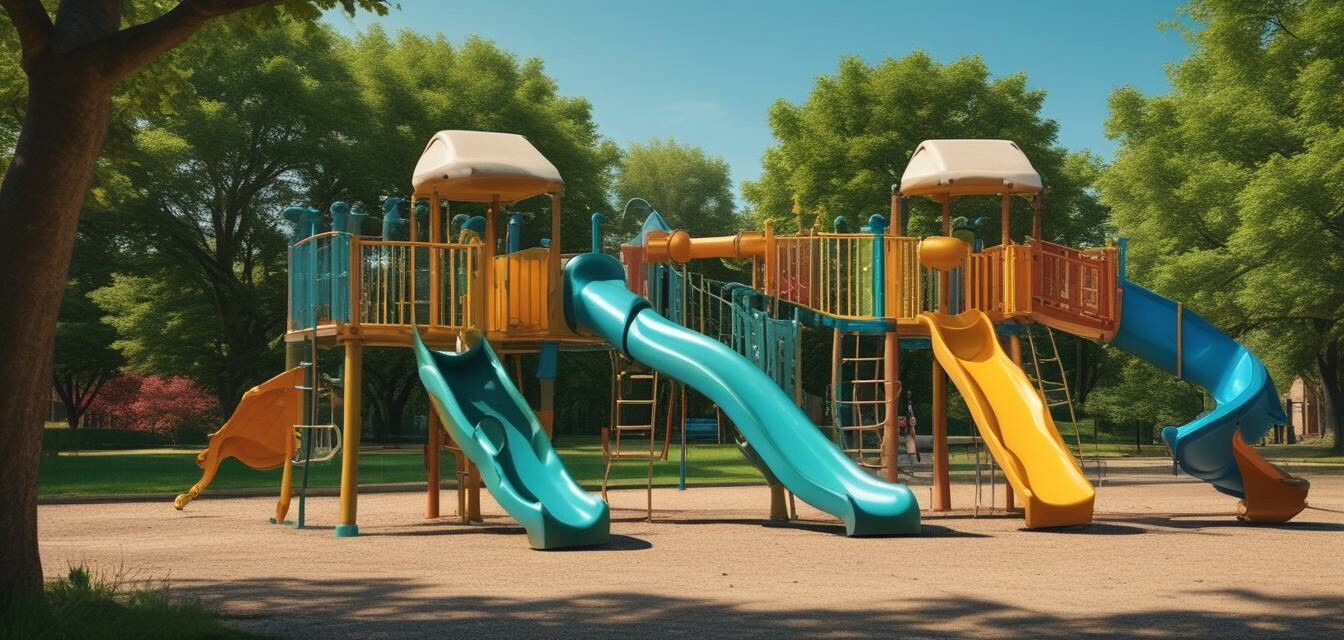
How to teach kids outdoor safety awareness
Key Takeaways
- Make safety education a natural part of playtime.
- Encourage children to recognize and avoid hazards.
- Use games and role-playing to reinforce safety rules.
- Ensure kids are aware of age-appropriate toys and equipment.
- Keep lines of communication open about safety concerns.
Outdoor play is essential for children's physical and social development. However, ensuring that children understand the aspects of safety while playing outside is equally important. This article provides effective strategies for teaching kids outdoor safety awareness, helping them recognize hazards, and engaging in safe behaviors while enjoying outdoor activities.
Understanding outdoor hazards
Before teaching kids about outdoor safety, it's crucial to recognize potential hazards that surround them during play. Common hazards include:
- Injury from playground equipment
- Traffic risks near roads
- Environmental hazards like sharp objects or uneven surfaces
- Overheating or dehydration during hot weather
- Interactions with animals
Recognizing dangerous situations
Teaching children to identify these hazards is an important step toward enhancing their safety awareness. Here are some strategies to help kids recognize dangerous situations:
| Method | Description |
|---|---|
| Walk-through | Take a tour of the playground or outdoor area, pointing out hazards and discussing safe play. |
| Role-playing | Engage in role-playing activities where children practice avoiding hazards. |
| Safety games | Play games that involve identifying safe and unsafe behaviors. |
Safe behaviors for outdoor play
After recognizing hazards, it's essential for children to understand safe behaviors when playing outdoors. Here are some behaviors to teach:
- Use playground equipment according to the intended age group
- Stay alert and be aware of their surroundings
- Follow playground rules and restrictions
- Use sunscreen and wear appropriate clothing to prevent overheating
- Stay hydrated and take breaks when necessary
Effective communication of safety rules
When teaching safe behaviors, always encourage open dialogue about safety rules. Children should feel comfortable discussing their concerns and asking questions. Establishing communication promotes a greater understanding of safety precautions.
Tips for parents
- Lead by example: Show your children safe and responsible behaviors.
- Make safety discussions fun: Include stories or games when discussing safety.
- Be consistent: Regularly reinforce safety lessons during playtime.
- Set rules: Create clear guidelines for outdoor play, and review them often.
- Conduct safety drills: Practice emergency scenarios or safety procedures.
Creating a safe outdoor environment
The outdoors can be made safe with appropriate equipment and areas. Parents can take the following actions to ensure a safer play environment:
- Regularly inspect playgrounds for wear and tear
- Ensure equipment meets safety standards
- Encourage the use of protective gear during sports
- Provide shaded areas to prevent sun exposure
- Set guidelines for safe play locations, away from traffic
Choosing age-appropriate toys
Understanding which outdoor toys are suitable for specific age groups can significantly decrease risks. Consider the following:
| Age Group | Recommended Toys |
|---|---|
| 2-5 years | Sandbox toys, small slides, and age-appropriate ride-on toys. |
| 6-8 years | Climbing structures, balls, and beginner sports equipment. |
| 9+ years | Advanced sports gear, large climbing apparatus, and team games. |
Conclusion
Teaching children about outdoor safety awareness is a continuous process that involves education, communication, and creating a safe fun environment. By encouraging kids to recognize hazards and practice safe behaviors, parents can help ensure their children enjoy the outdoors while minimizing risks.
Pros
- Promotes awareness of surroundings
- Encourages healthy outdoor activities
- Strengthens communication between parents and children
- Reduces the risk of accidents
Cons
- Requires regular reinforcement and practice
- Some lessons may be difficult for younger children to understand
- Outdoor conditions can vary, impacting safety
For more information on safety for outdoor equipment, check out our Safety Tips category. If you want to explore age-appropriate toys, visit our Sandboxes section. Also, be sure to read about the latest trends in outdoor play in our Trends in Outdoor Play blog. For a complete list of outdoor toys, see our Ride-On Toys collection.