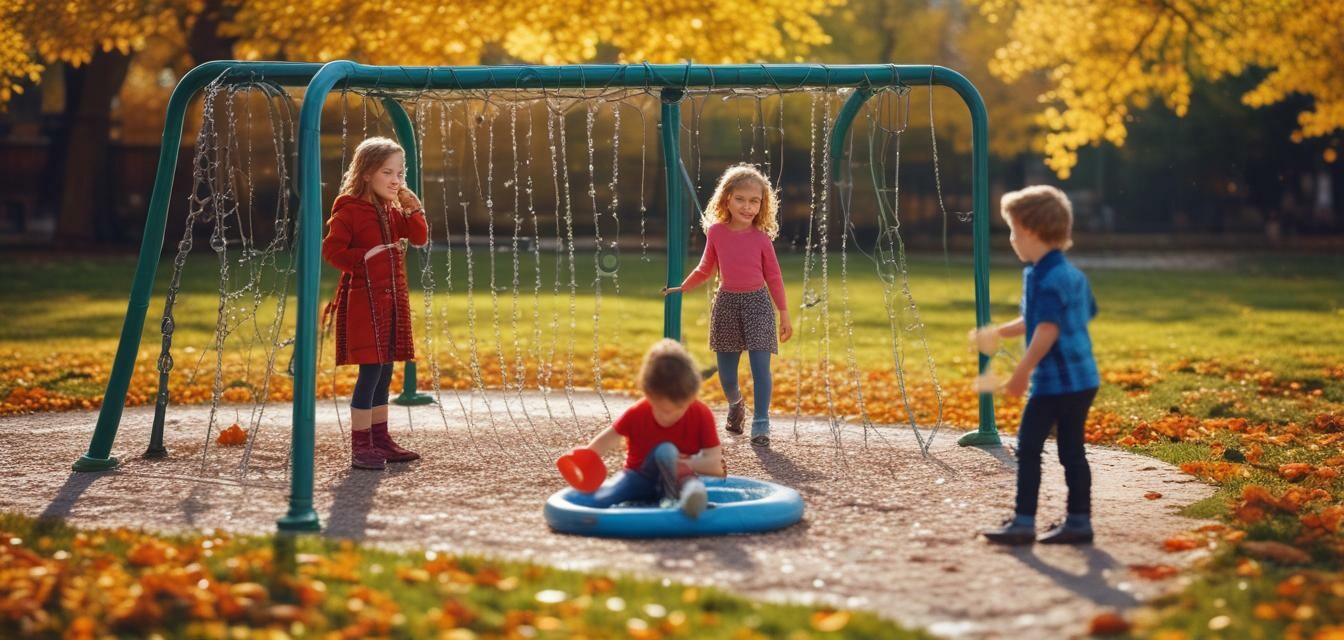
Seasonal Safety Tips for Outdoor Activities
Key Takeaways
- Always check playground equipment for safety before use.
- Dress children appropriately for weather conditions.
- Teach children about safe play practices and supervision.
- Stay hydrated during warm weather activities.
- Be mindful of changing seasons and their impact on play areas.
Outdoor activities are fundamental for children's physical and mental development. However, ensuring their safety should always be a top priority. This article provides essential safety tips for various outdoor activities throughout the year, informing parents on how to adapt to the changing conditions and keep their children safe during play.
Spring Safety Tips
Spring is a wonderful time for outdoor activities but also brings unique safety considerations:
- Check for allergens: Flowers and grasses bloom, which can trigger allergies.
- Inspect equipment: Ensure playgrounds are clear of debris and equipment is in good condition.
- Hydration awareness: Remind children to drink water on warmer days, even if they don't feel thirsty.
Summer Safety Tips
As temperatures rise, consider the following tips for safe outdoor play:
- Sun protection: Apply sunscreen and provide hats and sunglasses to protect against UV rays.
- Stay cool: Plan to play during the cooler parts of the day, such as early morning or late afternoon.
- Water safety: Supervise children around pools or water play areas; use floats and appropriate gear.
Fall Safety Tips
Autumn can be a beautiful season for outdoor play, but also comes with risks:
- Leaf inspections: Rake leaves to prevent slipping hazards and check for hidden objects.
- Weather adjustments: Dress children in layers to accommodate fluctuating temperatures.
- Light considerations: As days get shorter, ensure play areas are well-lit if kids play in the evening.
Winter Safety Tips
Winter brings fun but requires additional precautions:
- Appropriate clothing: Ensure children wear waterproof clothing and insulated boots for warmth.
- Icy surfaces: Assess play areas for icy patches and teach kids to walk cautiously.
- Supervise sledding: Choose safe, designated hills and monitor children while sledding.
Understanding Risk Management
An important aspect of outdoor safety is risk management:
| Risk | Prevention |
|---|---|
| Injury from falls | Ensure equipment is age-appropriate and inspect regularly. |
| Dehydration | Encourage regular water breaks, especially in hot weather. |
| Exposure to allergens | Keep medications handy and educate on identifying allergens. |
Conclusion
Adapting to the seasons and understanding how to manage safety risks help create a positive outdoor experience for children. By following these seasonal safety tips, parents can ensure their kids enjoy outdoor activities while remaining safe and healthy. For more insights and guiding resources on outdoor play, check out our Safety Tips category or explore our Sports Equipment to find age-appropriate choices that encourage active play.
Pros
- Enhances children's physical health through active play.
- Promotes social interaction and teamwork among peers.
- Encourages exploration and creativity in outdoor settings.
Cons
- Physical activities can lead to minor injuries if not properly supervised.
- Changing weather conditions can pose risks.
Tips for Beginners
- Start slowly and gradually introduce new activities.
- Learn about local outdoor areas and safety rules.
- Join community programs to learn from others and ensure safety practices.