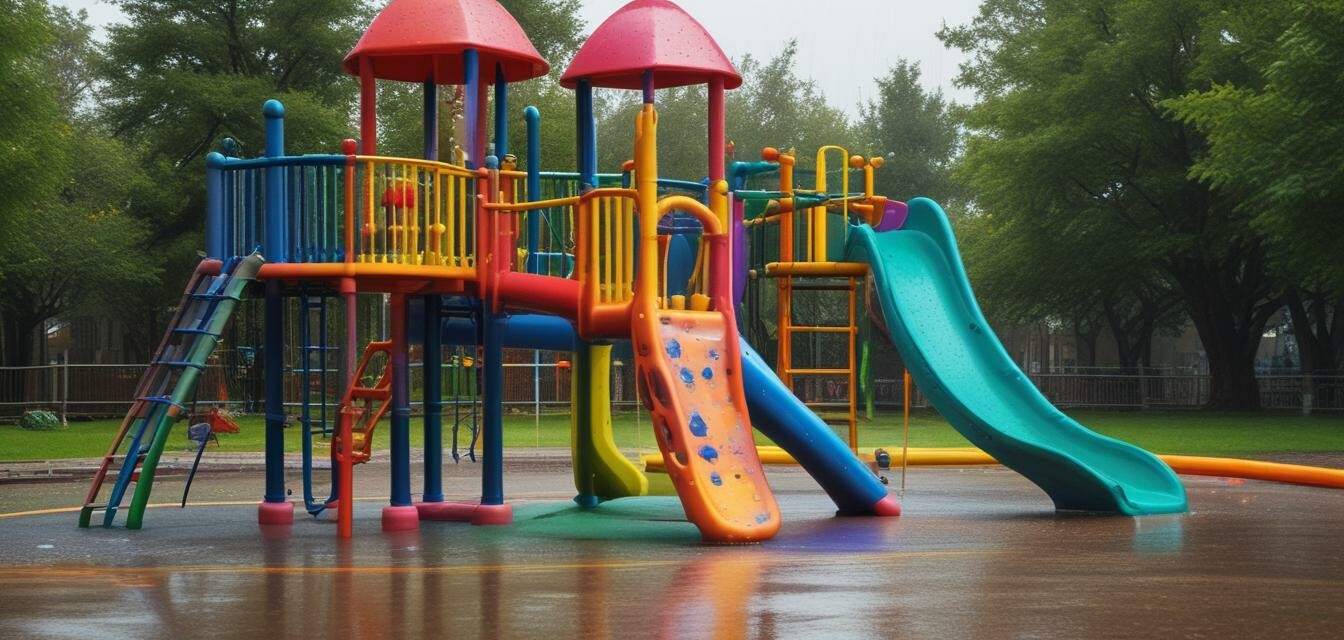
Safe practices for outdoor play during rainy weather
Key Takeaways
- Ensure play areas are safe by checking for slippery surfaces.
- Dress children appropriately for the rain to keep them warm and dry.
- Encourage safe play practices and educate kids about the risks of wet conditions.
- Avoid using electrical equipment and supervise playtime closely during storms.
- Consider alternatives like indoor activities when weather conditions worsen.
Outdoor play is essential for children's growth and development, and it can even continue during rainy weather with some precautions. Parents can ensure their kids stay safe and have fun despite the rain by implementing certain safety practices. In this article, we will explore essential tips and guidelines for outdoor play during rainy conditions.
Understanding the Risks of Outdoor Play in Rain
Rainy weather can present several hazards when children play outdoors. The most significant risks include:
- Slippery surfaces that can lead to falls and injuries.
- Reduced visibility if it’s also cloudy.
- The potential for lightning strikes during storms.
- Risk of hypothermia if children get too cold and wet.
Essential Pre-Play Safety Checklist
Before allowing your child to play outside in the rain, consider the following checklist:
| Safety Item | Action Required |
|---|---|
| Inspect Play Area | Check for puddles and slippery surfaces. |
| Evaluate Weather Conditions | Ensure that there are no severe weather warnings. |
| Consider Clothing | Dress children in waterproof gear and appropriate footwear. |
| Equip with Gear | Provide non-slip mats or surfaces if using play equipment. |
Tips for Safe Outdoor Play During Rain
Here are some practical tips that can help ensure your child enjoys outdoor activities safely, even in the rain:
1. Dress Appropriately
Make sure your child wears waterproof clothing and sturdy shoes with good traction. This will help them stay warm and prevent slips.
2. Understand the Play Area
Choose play areas with surfaces designed to drain water efficiently, such as rubber mats or grass. Avoid areas with standing water or deep puddles.
3. Set Rules
Teach your kids about safe play practices, like not running on wet surfaces and the importance of staying clear of equipment that can become slippery.
4. Supervise Closely
Always keep an eye on your children while they are playing outside in the rain. Be prepared to intervene if they are engaging in risky behavior.
5. Look Out for Storms
If the weather worsens, particularly with thunder or lightning, bring children inside immediately and engage in indoor activities. For more ideas on indoor activities, check our Trends in Outdoor Play.
When to Move Activities Indoors
Knowing when to keep children inside is as important as understanding how to safely let them play outside. Here are some scenarios where indoor play is advisable:
- If there’s heavy rain or strong winds.
- When thunder or lightning is detected.
- When temperatures drop significantly, leading to a risk of hypothermia.
Teaching Kids About Safety in Wet Conditions
In addition to supervision, it’s crucial to educate children about the potential dangers of wet play conditions. Consider these approaches:
- Discuss the importance of caution during slippery conditions.
- Use storytelling to share experiences where safety measures were critical.
- Role-play scenarios to allow children to practice safe decision-making during wet conditions.
Conclusion
While rainy weather can put a damper on outdoor play, it doesn’t have to spoil the fun entirely. By following safety precautions, ensuring proper clothing, and educating children about the risks involved, parents can create a safe and enjoyable outdoor environment. Remember, integrating play with safety is key to a healthy, active lifestyle for kids, regardless of the weather.
Pros
- Encourages active play regardless of weather conditions.
- Helps children develop adaptability and resilience.
- Promotes physical activity, even in less-than-ideal conditions.
Cons
- Increased risk of accidents during wet conditions.
- Possible discomfort from getting wet and cold.
- Unpredictable weather patterns can make planning challenging.
For more safety tips and advice on outdoor play, visit our Safety Tips category.