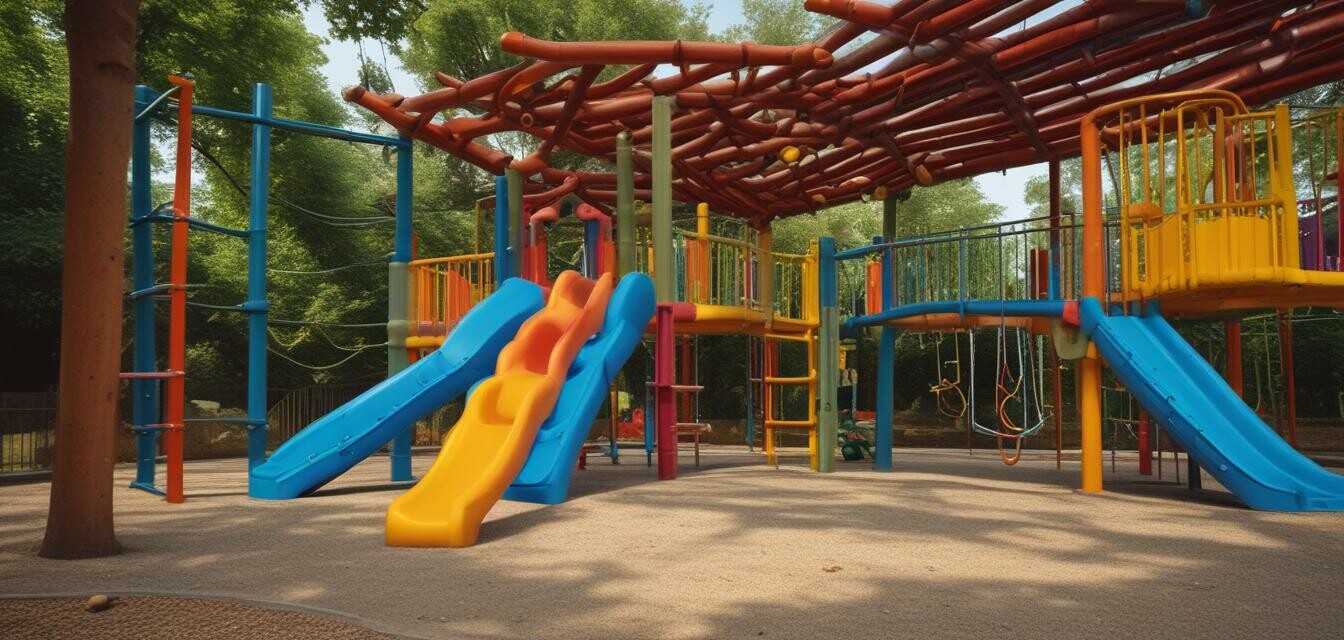
Ensuring Safe Climbing Experiences for Kids
- Always supervise your children while they are climbing.
- Regularly inspect climbing equipment for safety and durability.
- Teach your kids about safe climbing practices and techniques.
- Encourage physical activity to promote healthy growth and development.
- Consider age-appropriate climbing structures for safe play.
Climbing can be a fun and exciting activity for children, promoting physical fitness and developing essential skills. However, ensuring their safety while they explore is a top priority for parents. This article will guide you through important safety tips for monitoring your children's climbing activities in outdoor settings. The ultimate goal is to allow kids to engage in climbing safely while helping them develop their skills.
Understanding Climbing Risks
Climbing, whether on playground equipment or natural structures, involves certain risks. Awareness of these risks is essential for reducing accidents:
- Height: Falling from heights can cause significant injuries.
- Equipment: Old or poorly maintained climbing equipment increases hazard risks.
- Peer Interaction: Kids can sometimes be reckless in groups; supervision is key.
- Terrain: Uneven ground or obstacles can pose tripping hazards.
Important Safety Tips
Here are some vital safety tips to protect children while they enjoy climbing activities:
1. Supervise Actively
Always supervise your children when they are climbing. Make sure you are close enough to react quickly if necessary.
2. Choose Safe Equipment
Select climbing structures that are age-appropriate and designed with safety in mind. Look for features such as:
- Rounded edges
- Non-slip surfaces
- Safety mats underneath
3. Regular Inspections
Regularly inspect climbing equipment for wear and tear. Ensure that:
- Tighten bolts and screws
- Replace frayed ropes or chains
- Check for rust or damages
4. Teach Safe Practices
Educate your children about climbing safety:
- Warn them not to push or shove while climbing.
- Encourage them to use proper climbing techniques.
- Teach them about landing techniques if they fall.
5. Monitor Group Activities
When children are climbing in groups, ensure there is enough space and no overcrowding on structures. Rotate children or designate climbing times if necessary.
Product Recommendations for Safe Climbing
To promote safe climbing experiences, consider investing in quality climbing equipment for your children. Here are two fantastic options:
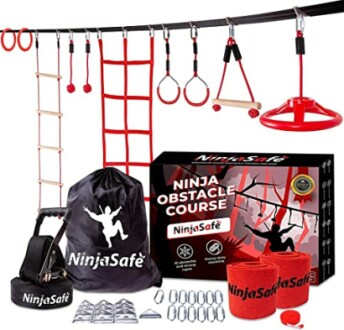 Perfect for active kids
Ninja Obstacle Course for Kids
The 10 Durable Obstacles and 50' Slackline encourage physical fitness while providing endless fun for kids.
Learn More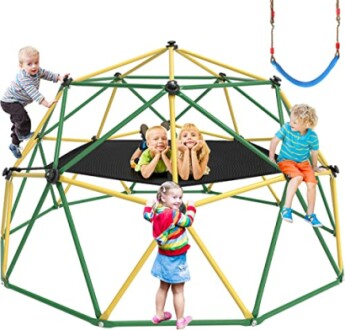 Fun & sturdy design
GIKPAL Climbing Dome
Ideal for children aged 3 to 10, supporting up to 1000 lbs, this jungle gym is both durable and engaging.
Learn MoreThe Importance of Physical Activity
Climbing not only engages a child's physical abilities but also contributes to their mental development. Outdoor play promotes creativity and teamwork, helping kids build friendships. Regular climbing not only keeps children active but also helps develop strength, coordination, and self-confidence.
Conclusion
By following these safety tips, monitoring climbing activities, and providing appropriate equipment, you can ensure that your children enjoy safe climbing experiences. Remember, climbing can be a wonderful adventure that promotes growth, exercise, and fun when handled responsibly.
Additional Resources
For more insights on safety and outdoor play, consider checking out these resources: