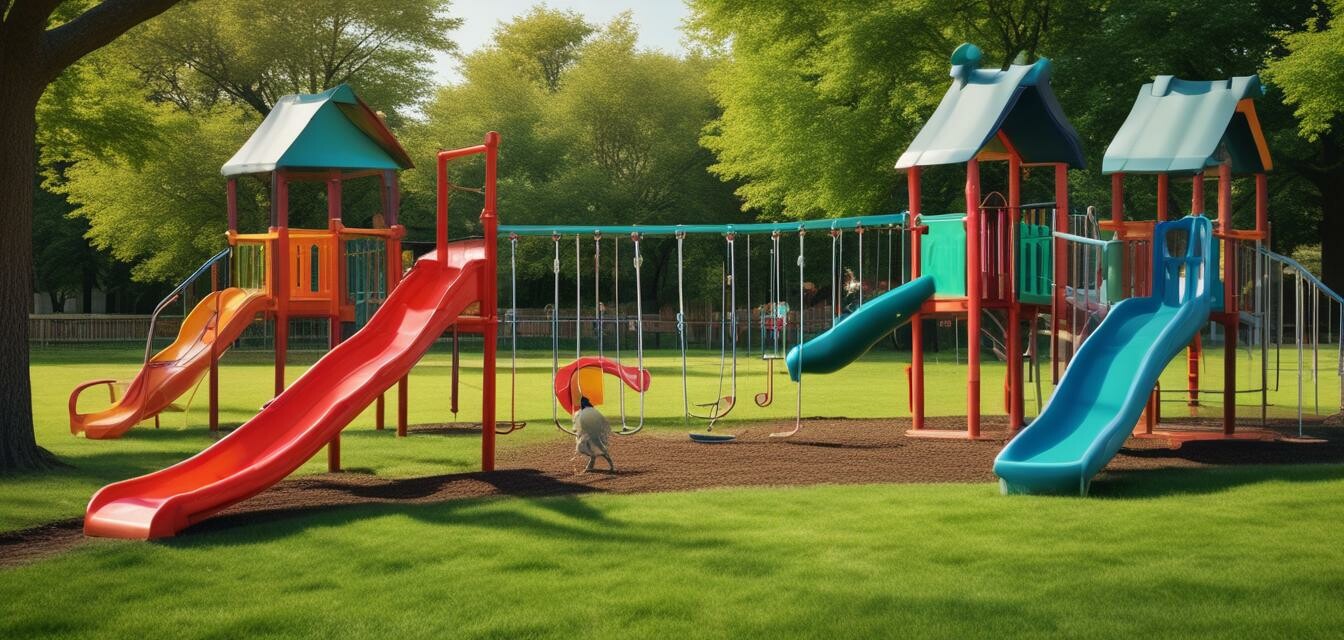
Preventing common playground injuries
Key Takeaways
- Supervision is crucial for children's safety on playgrounds.
- Regularly inspect playground equipment for hazards.
- Teach children safe play practices and rules.
- Choose age-appropriate equipment to minimize risks.
- Emergency preparedness can make a difference in serious situations.
Playgrounds are a staple in every community, providing children with the space to explore, play, and develop their physical skills. However, they also pose certain risks if proper safety measures are not taken. In this article, we will explore common playground injuries and provide essential tips for parents on how to prevent them, focusing on supervision and safe play practices.
Understanding common playground injuries
Before we dive into prevention strategies, it's important to understand the types of injuries that can occur on playgrounds. Here are some of the most common injuries:
| Injury Type | Description |
|---|---|
| Falls | The leading cause of playground injuries; typically occurs when children fall from equipment like slides or swings. |
| Collisions | Injuries caused when children bump into each other or hit fixed equipment. |
| Entrapment | Injuries caused when a child's body part becomes stuck in equipment, such as slides or climbing structures. |
| Strangulation | Injuries that may occur due to improperly designed equipment, leading to entanglement. |
| Equipment-related injuries | Injuries resulting from defective or inappropriate playground equipment. |
Essential tips for preventing injuries
1. Supervise children at all times
Active supervision is key to keeping children safe as they play. Here are some guidelines:
- Remain within arm's reach of younger children.
- Designate a specific adult who will be responsible for watching the children.
- Encourage children to play within their skill level.
2. Inspect playground equipment regularly
Check the playground equipment for any potential hazards:
- Look for loose or broken swings or climbing structures.
- Ensure that there is sufficient cushioning material under high-risk areas.
- Clean up any debris or hazards nearby.
3. Teach safe play practices
Instilling safe habits in children can significantly reduce the chance of injuries:
- Instruct children to wait their turn and not push or shove.
- Teach children to be aware of their surroundings and other children.
- Encourage children to use equipment correctly according to age and size.
4. Choose age-appropriate equipment
Make sure that the playground equipment is suitable for your child's age group:
- For younger children, choose equipment designed for toddlers and preschoolers.
- For older children, opt for equipment that offers challenges appropriate to their age and development.
5. Be prepared for emergencies
Having a plan in place can help you respond effectively in the event of an injury:
- Learn basic first aid, including how to treat minor cuts and bruises.
- Keep a first-aid kit handy whenever you visit a playground.
- Understand the nearest location for medical assistance in case of serious injuries.
Conclusion
Preventing injuries at playgrounds requires vigilance, education, and proper maintenance of equipment. By following the tips outlined in this article and remaining proactive regarding your children's safety, you can ensure a fun and injury-free experience as they play and explore in these crucial environments. For more tips on maintaining a safe outdoor environment, check out our safety tips section here.
Pros
- Enhances children's physical health and social skills.
- Promotes mental well-being through active play.
- Encourages creativity and exploration in a safe setting.
Cons
- Potential for minor injuries if not properly supervised.
- Equipment may deteriorate without regular inspections.
- Some children may misuse equipment, leading to accidents.
Further reading
For additional insights, check out our trends in outdoor play and the importance of sports equipment to complement active lifestyles.