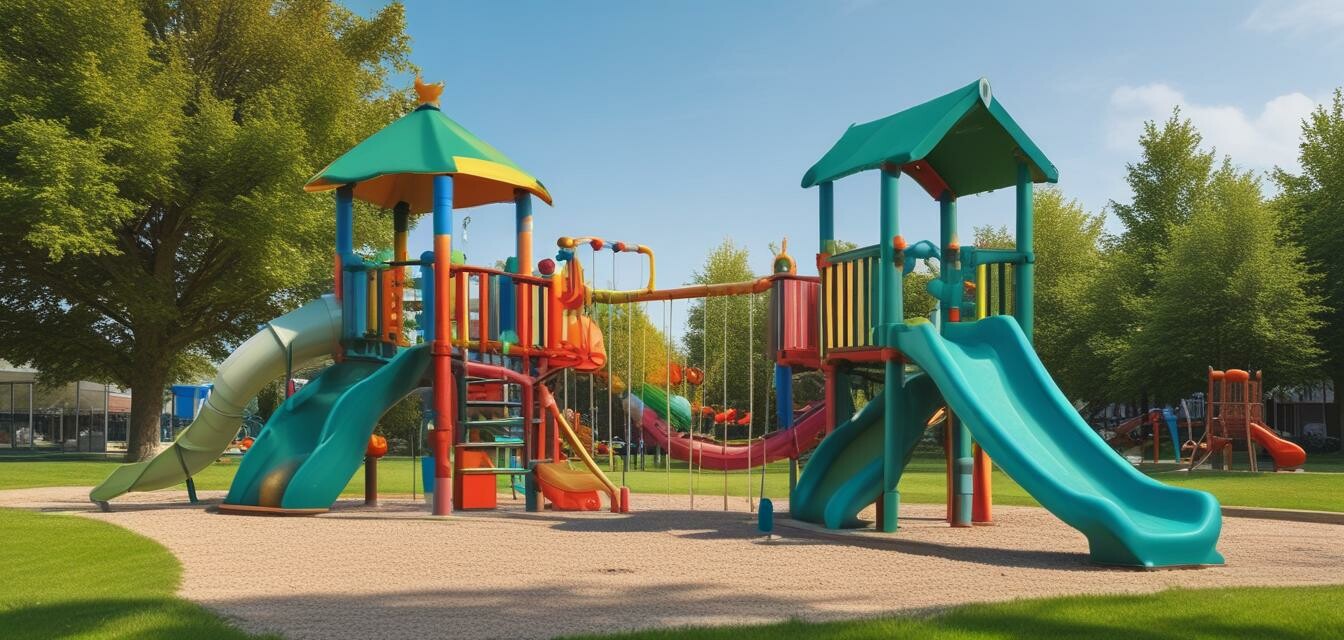
Preparing kids for safe exploration during outdoor play
Key Takeaways
- Ensure outdoor play equipment is age-appropriate and safe.
- Teach children about boundaries and safe exploration practices.
- Regularly check equipment for wear and tear to avoid accidents.
- Encourage independence while supervising outdoor activities.
- Communicate safety rules clearly to your children.
Outdoor play is essential for children's development. It encourages physical activity, creativity, and social skills. However, ensuring that children can explore safely is crucial to make their play experience enjoyable. Below are some practical tips for parents on how to prepare their children for a fun and secure outdoor playtime.
Understanding safe play areas
Safety begins with understanding the outdoor environment. Choose areas that are designed for children’s play, such as parks, playgrounds, or designated play zones. Here are some factors to consider:
| Safety Factor | What to Look For |
|---|---|
| Equipment Types | Climbing structures, sandbox areas, and water play gadgets. |
| Surface Material | Soft materials like mulch, rubber mats, or grass to cushion falls. |
| Age-Appropriate Facilities | Areas tailored to different age groups to prevent accidents. |
Setting boundaries for safe exploration
Establishing boundaries is an important part of allowing children to explore freely while still ensuring their safety. Here are some key points to follow:
- Discuss the limits of the play area with your children.
- Identify "safe zones" where kids can play and explore.
- Explain the reasons behind these boundaries to foster understanding.
Identifying potential hazards
Before allowing children to play, it's important to identify possible dangers in the area. Here are some common hazards to watch for:
- Broken equipment or worn-out features.
- Pools, ponds, or other bodies of water nearby.
- Busy roads or paths close to the play area.
Teaching safety rules
Before kids head outdoors for play, it’s essential to communicate safety rules. Here are some effective strategies:
- Use simple language and examples they can relate to.
- Role-play scenarios to reinforce the safety message.
- Have them repeat the rules back to you to ensure understanding.
Promoting independence
While it's important to supervise your children, encouraging independence will help them develop confidence during outdoor play. To foster this independence:
- Allow them to choose safe activities.
- Encourage decision-making by not hovering.
- Observe from a distance while being ready to step in if needed.
Regular equipment checks
Regular inspections of play equipment are vital to ensure ongoing safety. Here’s a quick checklist for parents:
| Equipment Type | Check for |
|---|---|
| Climbing structures | Stability, sharp edges, and loose parts |
| Sandboxes | Cleanliness, absence of sharp objects |
| Water play gadgets | Blocked drains and slips |
Engaging in play with your children
Playing alongside your children can promote a safe exploration environment. Here are some playful engagement strategies:
- Join in on outdoor games.
- Demonstrate how to use equipment safely.
- Provide encouragement and positive reinforcement.
Pros
- Children build physical skills while playing.
- Social interactions enhance emotional development.
- Improves creativity and problem-solving abilities.
Cons
- Outdoor play can lead to injuries if not supervised.
- Weather conditions can affect playtimes.
- Local laws may restrict access to some public areas.
Encouraging team play
Besides individual play, encouraging team play helps kids learn cooperation. They should understand the importance of:
- Taking turns during games.
- Helping each other during play.
- Respecting personal space while exploring.
For more in-depth tips on selecting safe outdoor toys, check out our Buying Guides.
Conclusion
By integrating these safe exploration practices, parents can ensure children not only enjoy outdoor play but also develop skills that will benefit them for life. Remember, safe exploration allows kids the freedom to discover, learn, and grow responsibly. Encourage them to play safely, and watch them thrive!