Preparing for Emergency Situations During Outdoor Play
Key Takeaways
- Always be prepared for emergencies by having a safety kit on hand.
- Basic first aid knowledge is essential for parents and caregivers.
- Establish clear safety guidelines for children to follow during play.
- Regularly inspect play equipment for damage or hazards.
Outdoor play is essential for children's growth and development, but parents must ensure their safety. In this guide, we'll cover practical tips for preparing for emergencies while your children enjoy their time outside. From assembling a safety kit to basic first aid tips, you’ll learn how to handle unexpected situations effectively.
Building Your Outdoor Safety Kit
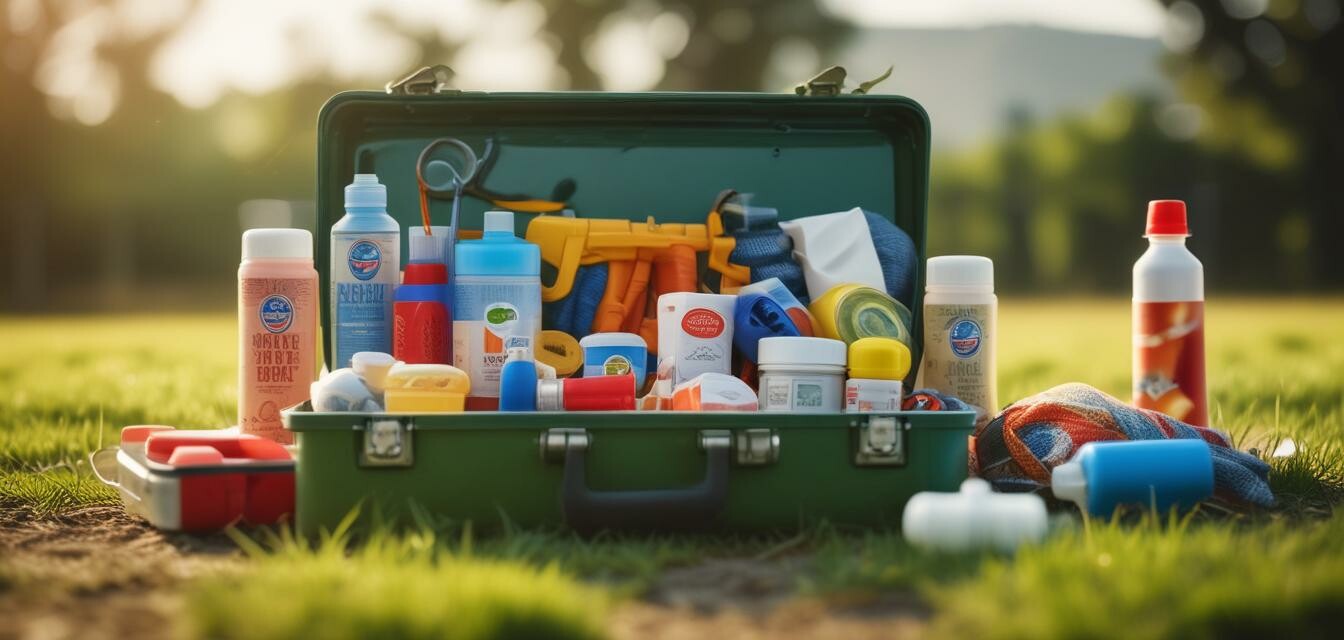
A well-stocked safety kit is crucial when your kids are playing outside. Here’s what you should consider including:
| Item | Purpose |
|---|---|
| First aid kit | To treat minor injuries like cuts and scrapes. |
| Water bottles | To keep everyone hydrated during play. |
| Emergency contact numbers | To quickly reach family or emergency services if needed. |
| Hand sanitizer | For maintaining hygiene before eating or after using equipment. |
| Flashlight | For visibility if play extends into the evening. |
| Blanket | For comfort or warmth if the temperature drops. |
Additional Items to Consider
- Insect repellent
- Sunblock
- Small tools (like scissors or tweezers) for specific situations
Basic First Aid Training
Knowing how to provide basic first aid can be invaluable when caring for children outdoors. Here are some essential skills every parent should know:
First Aid Tips for Parents
- Learn how to clean and bandage a wound properly.
- Understand how to treat common injuries like sprains or strains.
- Know the signs of heat exhaustion and how to respond.
Establishing Safety Guidelines
Creating a set of safety rules for outdoor play helps keep children safe. Make sure they understand the importance of:
- Staying within sight of caregivers.
- Avoiding hazardous areas (like near roads or water).
- Using equipment properly and safely.
Regular Equipment Checks
Before allowing children to play, it's essential to inspect all outdoor play equipment. Here’s a checklist:
| Equipment | Check |
|---|---|
| Climbing structures | Look for any loose or broken parts. |
| Outdoor games equipment | Ensure all pieces are intact and safe to use. |
| Ride-on toys | Check tires and brakes for functionality. |
| Sandboxes | Inspect for sharp objects or animal waste. |
| Sports equipment | Confirm that all gear is clean and damage-free. |
| Water play gadgets | Ensure all components are secure and functioning. |
Conclusion
Emergencies can happen, but with the right preparation and knowledge, you can ensure a safe environment for your children to play. By equipping yourself with a proper safety kit and first aid knowledge, establishing safety guidelines, and regularly checking equipment, you empower your children to enjoy their outdoor activities to the fullest.
Pros
- Promotes safety during outdoor activities.
- Builds confidence in kids to explore their environment.
- Reduces the risk of serious injuries.
Cons
- Requires regular maintenance of the safety kit.
- May involve additional costs for safety equipment.
For more resources on keeping your children safe while playing outdoors, explore our Safety Tips or check out our Climbing Structures, which are designed with safety in mind.