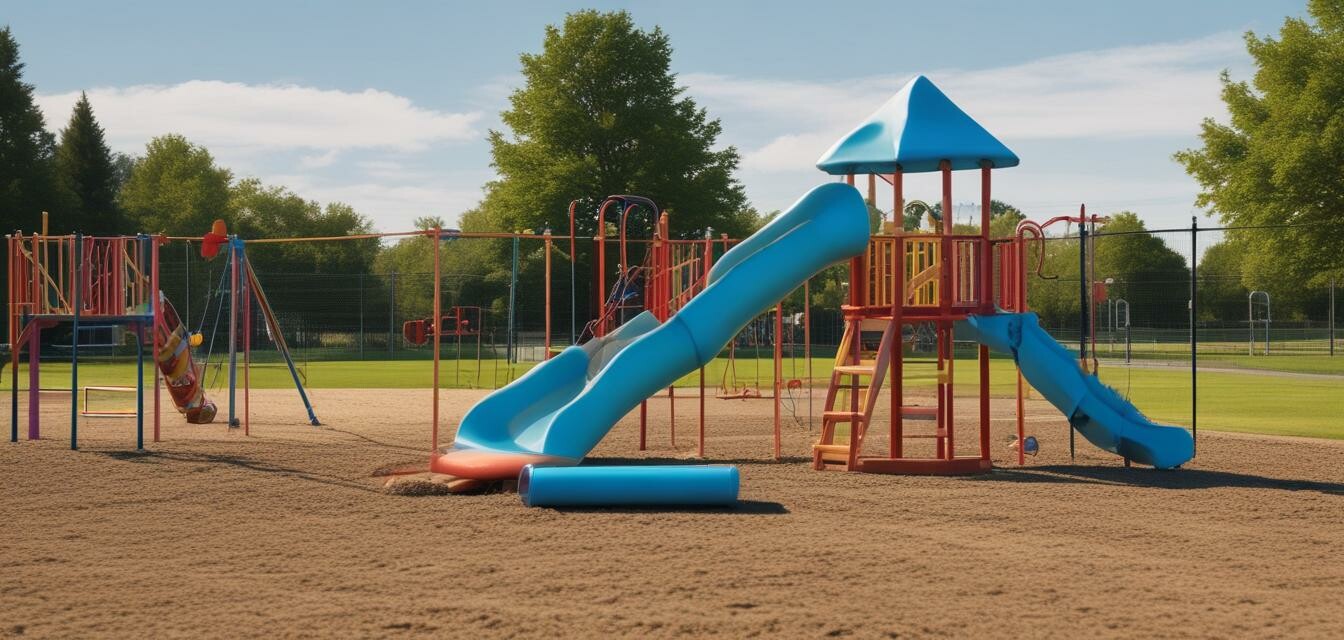
Understanding playground safety features
Key Takeaways
- Playground safety features are vital for minimizing risks during play.
- Proper surfacing, equipment design, and maintenance are key aspects to consider.
- Safety guidelines and standards vary by age group and equipment type.
- Regular checks and an informed approach can enhance children's safety.
Ensuring your child has a fun and safe experience while playing outdoors is essential. Outdoor playgrounds not only offer enjoyment but also come with risks that can be mitigated through various safety features. This article discusses the critical safety features that every playground should incorporate, guiding parents in selecting safe play environments for their children.
Importance of playground safety features
Playgrounds are essential for children's physical, social, and emotional development. However, without proper safety features, the potential for accidents increases significantly. Understanding these features can help you assess playgrounds more effectively and ensure your child is playing in a safe environment.
Key safety features to look for
| Safety Feature | Description | Importance |
|---|---|---|
| Soft surfacing | Materials such as rubber mats, wood chips, or grass that cushion falls | Reduces injury from falls and provides a safe landing zone |
| Equipment design | Play structures should be designed to prevent entrapment and sharp edges | Minimizes risk of cuts, scrapes, and entrapment injuries |
| Age-appropriate zones | Separate areas for different age groups to safely enjoy play | Ensures children are playing among peers with similar abilities |
| Regular maintenance | Routine checks and clearing debris from equipment and surfaces | Prevents hazards caused by wear and ensures everything is functioning |
| Safety barriers | Fencing or safety gates to keep children within safe zones | Helps prevent children from wandering into dangerous areas |
Understanding safety standards and guidelines
Each playground should adhere to specific safety standards that vary depending on age group and equipment type. Familiarizing yourself with these standards can empower you to assess whether a playground is appropriate for your child.
Standards to consider
- Consumer Product Safety Commission (CPSC): Offers guidelines for public playground safety.
- American Society for Testing and Materials (ASTM): Established safety standards for playground equipment.
- Local regulations: Many areas have specific codes that must be followed for public play spaces.
Additional safety tips for parents
- Always supervise your children during playtime.
- Teach children to use equipment correctly.
- Check the playground before use - look for hazards like broken equipment.
- Encourage children to play at their level; don’t let them use equipment meant for older kids.
- Report any unsafe conditions to the park authorities or facility managers.
Regular safety assessments
It is essential to carry out regular safety assessments of playgrounds and play equipment to ensure adherence to safety features. Keeping an eye on the following can help in maintaining a safe environment:
- Loose bolts and screws
- Wear and tear on surfacing
- Signs of rust or deterioration on metal structures
- Instability in equipment
Conclusion
In conclusion, selecting a playground with the right safety features is critical in ensuring children's safe and enjoyable play. By being informed about these essential features and maintaining a proactive approach, you can help safeguard your child's playtime. Always prioritize safety to promote active and fun experiences.
Pros
- Encourages physical activity and social skills.
- Well-designed playgrounds promote independent play.
- Enhanced safety features reduce the risk of injuries.
Cons
- Some playgrounds may not adhere to safety standards.
- Costs may increase with better safety features.
- Maintenance is necessary for ongoing safety.
For further reading
Discover more valuable insights regarding outdoor play equipment by exploring our related articles: