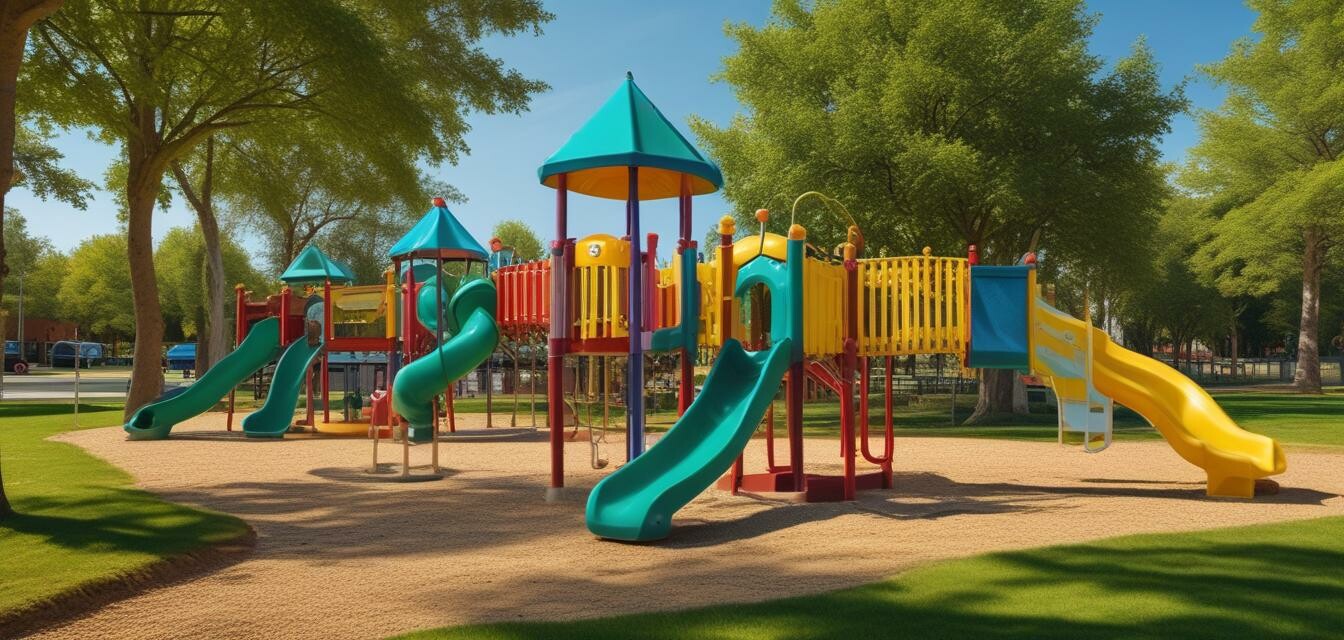
Essential Playground Etiquette for Kids
Key Takeaways
- Respecting others is crucial for a fun play environment.
- Waiting your turn helps avoid conflicts.
- Keeping the playground clean promotes a safe space for all kids.
- Sharing equipment ensures everyone can enjoy the playground.
- Listening to adults and following safety rules keeps everyone safe.
When kids head out to the playground, it’s not just about having fun on the slides and swings. It's also about learning how to play together respectfully. Whether it's waiting for a turn or taking care of the equipment, understanding playground etiquette is key. In this article, we’ll cover essential playground etiquette for kids, ensuring that playtime is enjoyable for everyone. This knowledge will help in navigating various situations they may encounter on the playground.
Why is playground etiquette important?
Playground etiquette is essential for several reasons:
- Promotes fairness and respect while playing.
- Enhances social skills and communication among children.
- Reduces the likelihood of conflicts and misunderstandings.
- Helps maintain the safety of equipment.
- Encourages a sense of community among children and parents.
Top tips for kids on playing fair
Here are some essential tips for children to follow while enjoying their time on the playground:
| Tip | Description |
|---|---|
| Wait your turn | Always wait for your turn while using playground equipment like swings and slides. This shows respect for others. |
| Use kind words | Encourage friendly communication. Say nice things and use polite language when talking with friends. |
| Share properly | If someone wants to use a toy or equipment you have, share it generously, so everyone gets a chance. |
| Keep the area clean | Help keep the playground clean by picking up after yourself and putting trash in bins. |
| Listen to adults | Pay attention to adult supervision and follow their instructions to stay safe. |
Activities that encourage playground etiquette
Here are some fun activities that can help reinforce good playground behavior:
- Role-play scenarios: Kids can act out different situations that may arise at the playground and discuss the best responses.
- Group games: Playing cooperative games encourages teamwork and reinforces sharing and communication.
- Clean-up sessions: Organize playground clean-up days where kids can learn the importance of a clean environment while participating in a fun activity.
Common playground situations and how to handle them
Understanding how to handle various situations can make playtime smoother. Here’s a look at some common scenarios:
| Situation | How to Handle |
|---|---|
| Someone cuts in line | Politely tell them you were waiting your turn and ask them to please respect the line. |
| A toy is not being shared | Ask if you can take turns or suggest a game where everyone can participate. |
| An argument breaks out | Encourage both parties to talk it out calmly and find a solution together. |
| Equipment is broken | Report the issue to an adult or teacher to ensure safe play for everyone. |
Conclusion
Learning and practicing playground etiquette helps children have a great time while also considering the feelings and rights of others. As parents and caregivers, it is important to teach kids the values of respect, patience, and teamwork. Ensure open discussions about playground experiences and the importance of following safety rules at the park. By instilling these habits early on, children can enjoy their outdoor play and build lasting friendships.
Tips for parents
- Set a good example by demonstrating respectful behavior in public.
- Encourage your child to talk about their playground experiences and embrace learning opportunities.
- Discuss the rules of the playground before going to help prepare your child.
- Be present and monitor your child's interactions with peers.
- Celebrate good behavior with positive reinforcement.
Pros
- Enhances social skills among children.
- Reduces chances of conflicts on the playground.
- Promotes a positive and safe play environment.
- Encourages teamwork and patience.
- Creates a sense of responsibility for shared spaces.
Cons
- Some children may not be familiar with playground etiquette.
- Can lead to misunderstandings if not clearly taught.
- Requires adult supervision and intervention sometimes.
Related resources
For more information on maintaining safety while playing outdoors, check out these helpful resources: