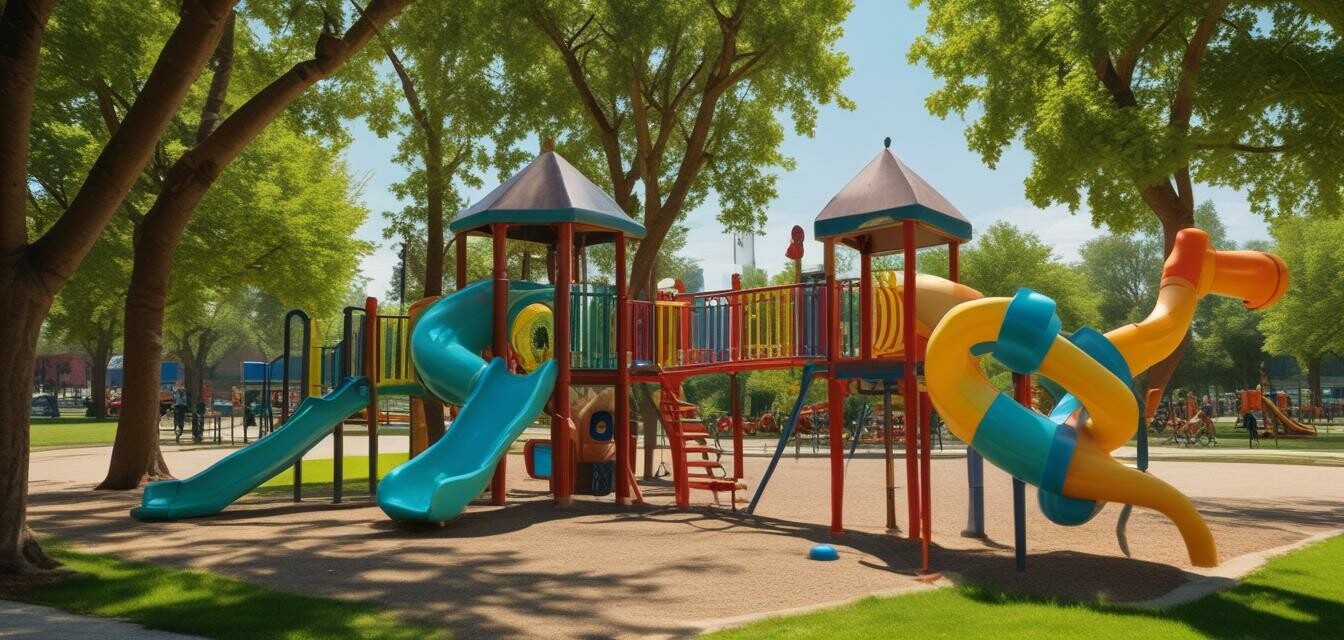
Safety measures for outdoor play in urban areas
Key takeaways
- Identify and mitigate common urban hazards for children.
- Ensure equipment is age-appropriate and well-maintained.
- Encourage children to understand safety rules while playing.
- Supervise children during outdoor activities.
- Teach children the importance of using play areas designed for their age group.
Urban areas can be bustling and exciting for children, providing unique opportunities for play and exploration. However, ensuring safety during outdoor play in these environments is crucial. This article offers useful tips for parents to help mitigate risks, keep kids safe, and still allow them to enjoy the urban landscape.
Understanding urban hazards
Urban settings present a variety of potential hazards that can affect children's safety during outdoor play. Awareness of these dangers is the first step toward prevention. Here are some common hazards:
| Hazard | Description |
|---|---|
| Traffic | Busy roads and vehicles pose risks to children playing without supervision. |
| Construction sites | Open construction areas can be dangerous with heavy machinery and hazardous materials. |
| Unsafe equipment | Playgrounds may have broken or outdated equipment that increases the risk of injury. |
| Stray animals | Animals in urban areas can pose health and safety problems. |
| Environmental hazards | Broken glass, sharp objects, or litter can lead to injuries. |
Mitigating risks
To create a safe environment for children, parents can take several proactive steps. Here are some effective strategies to mitigate risks:
- Supervise playtime: Always keep an eye on children when they are playing outdoors. Active supervision can prevent many accidents.
- Choose safe play areas: Look for well-maintained parks or playgrounds that are designed for children's safety.
- Check equipment: Regularly inspect playground equipment before letting children play on it. Report any unsafe conditions to the appropriate authorities.
- Teach safety rules: Instruct children on safe play practices, such as staying within designated play areas and respecting traffic rules.
- Promote awareness: Encourage kids to be aware of their surroundings, including vehicles and other potential hazards.
Age-appropriate play
Selecting age-appropriate toys and equipment plays a crucial role in ensuring safety during outdoor play. Here is how to determine what’s suitable:
| Age Group | Recommended Play Equipment | Safety Considerations |
|---|---|---|
| 0-2 years | Soft play structures, sandboxes. | Ensure no harsh edges and supervise closely. |
| 3-5 years | Slides, small climbing frames. | Check for stability and consider soft landing surfaces. |
| 6+ years | Climbing structures, swings. | Regularly inspect for wear and ensure safe usage practices. |
Educating children about safety
Teaching kids about safety can empower them and make outdoor play more enjoyable. Here are some ways to instill safety knowledge:
- Role-playing: Use role-play scenarios to teach children how to handle various outdoor situations.
- Safety games: Incorporate safety lessons into fun activities, making learning engaging.
- Discuss consequences: Talk about what can happen if safety rules are not followed.
- Encourage questions: Make children feel comfortable asking about safety concerns.
Community involvement
Communities play a fundamental role in ensuring that outdoor play spaces are safe. Parents can participate in local efforts to improve play areas by taking the following actions:
- Join community organizations: Collaborate with local groups dedicated to enhancing children’s play safety.
- Report hazards: Be proactive by reporting any dangerous conditions to local authorities.
- Advocate for safer play areas: Work with neighbors to voice concerns and push for better-maintained facilities.
Conclusion
Urban environments provide unique opportunities for children to engage in outdoor play. By being proactive, educating children, and involving the community, parents can significantly enhance the safety of outdoor play in city spaces. Remember, allowing children to explore and play safely fosters a love for outdoor activities and contributes to their overall well-being.
Beginner's tips for keeping play safe
- Familiarize yourself with potential hazards in your neighborhood.
- Develop a checklist for outdoor safety inspections before playtime.
- Establish clear communication about boundaries and safety protocols with your children.
Pros
- Encourages physical activity.
- Promotes social interaction among kids.
- Facilitates exploration and discovery.
Cons
- Potential for injury if not properly supervised.
- Urban areas may lack safe play spaces.
- Environmental hazards may exist.