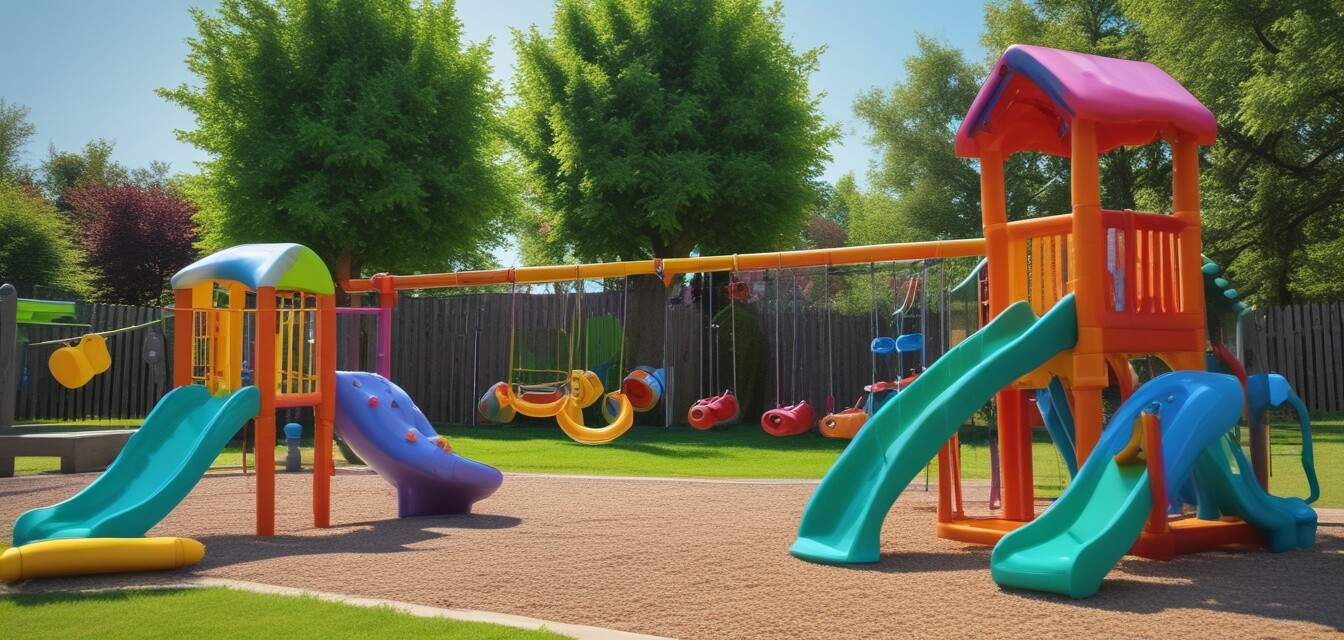
Outdoor Play Precautions for Children with Allergies
Key Takeaways
- Identify common allergens in outdoor environments.
- Ensure toys and play equipment are safe and hypoallergenic.
- Teach children about their allergies and how to stay safe while playing.
- Choose safe play environments with minimal allergen exposure.
- Stay prepared with a first-aid kit and allergy medications.
Outdoor play is essential for children’s physical and social development. However, for children with allergies, outdoor activities require extra attention and precautions. This article will discuss essential safety tips to ensure that kids with allergies can enjoy their time outside without unnecessary risks.
Identifying allergens in outdoor environments
Understanding what allergens are present in outdoor spaces can help you minimize exposure. Here are common allergens to look for:
| Allergen | Description |
|---|---|
| Pollen | Pollen from grasses, trees, and weeds can trigger seasonal allergies in children. |
| Insect stings | Bee, wasp, and ant stings can cause severe allergic reactions in some children. |
| Dust mites | Dust in outdoor play areas can harbor dust mites, which may lead to respiratory issues. |
| Animal dander | Pets and wildlife in outdoor settings might contribute to allergic reactions. |
Tips for creating safe play environments
Here are some tips to create an allergen-free outdoor environment:
- Choose play areas away from large grassy fields during peak pollen seasons.
- Maintain clean outdoor spaces, removing debris and regularly mowing grass.
- Opt for hypoallergenic toys and sports equipment to reduce allergic reactions.
- Ensure areas are well-ventilated, especially if they are enclosed.
Teaching children about their allergies
Teaching your child about their allergies is crucial for their safety during playtime. Here’s how:
- Explain what allergies are and what products or foods they need to avoid.
- Practice recognizing symptoms of an allergic reaction so that they can alert an adult.
- Role-play safe responses to encountering allergens while playing outside.
Staying prepared for outdoor play
Preparation is key to ensuring a safe play experience. Here are some items to consider:
- First-aid kit: Include antihistamines and an EpiPen if prescribed.
- Personalized allergy identification: Products like wristbands can inform others of your child's allergies.
- Water and snacks: Pack allergen-free food and beverages to avoid outside temptations.
Frequently asked questions about outdoor play and allergies
What should I do if my child has an allergic reaction while playing outside?
If your child has symptoms of an allergic reaction, such as difficulty breathing or hives, administer their allergy medication immediately, and seek medical help if symptoms persist or worsen.
How can I find allergy-friendly outdoor play spaces?
Research local parks and recreational areas that have pest control measures and minimal allergenic vegetation. Consider checking online reviews or forums for recommendations from other parents.
Additional resources
For more detailed safety tips, check our Safety Tips category. You can also explore our Outdoor Games selection for fun, allergy-friendly play ideas.
Pros
- Ensures a broader range of safe play options for children with allergies.
- Reduces the risk of allergic reactions during outdoor playtime.
- Enhances parents’ peace of mind while children play outside.
Cons
- May limit some outdoor activities due to allergy concerns.
- Requires parents to be more vigilant and prepared when playing outdoors.
Conclusion
By taking the necessary precautions, parents can significantly reduce the risks associated with outdoor play for children with allergies. With proper planning and education, kids can enjoy the joys of outdoor activities while staying safe and healthy!