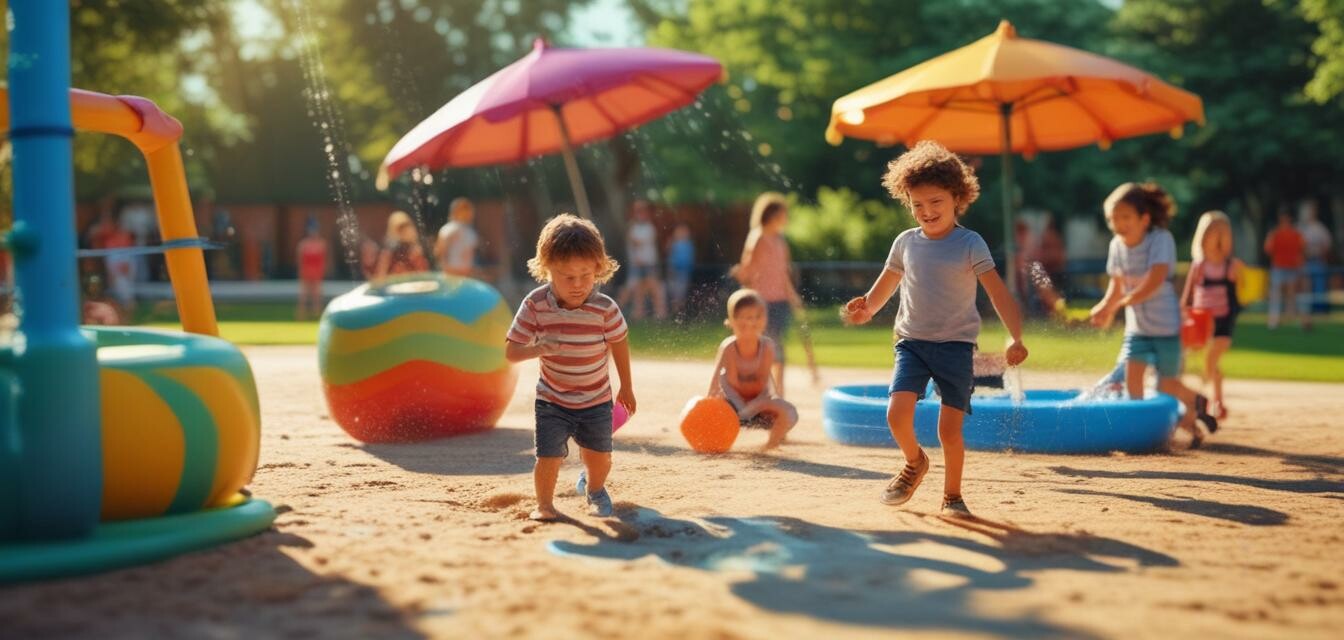
Best practices for outdoor play on hot summer days
Key Takeaways
- Hydration is essential: Encourage kids to drink water regularly.
- Use sunscreen and protective clothing to prevent sunburn.
- Plan playtime for cooler parts of the day: Early morning or late afternoon is ideal.
- Provide shaded areas or set up canopies for rest breaks.
- Monitor children's temperature and behavior closely for any signs of overheating.
As the temperature rises during the summer, outdoor play becomes a balancing act between fun and safety. Ensuring that children stay safe in these hot conditions requires careful planning by parents and guardians. In this guide, we will outline best practices for keeping kids safe while enjoying outdoor activities during those sizzling summer days.
Understanding the Risks of Heat Exposure
Hot summer days can lead to heat-related illnesses in children, which include heat exhaustion, heat cramps, and heat stroke. Understanding these risks helps parents take proactive measures to keep their children safe.
| Heat-Related Illness | Symptoms | Prevention |
|---|---|---|
| Heat Exhaustion | Heavy sweating, weakness, dizziness, nausea | Stay hydrated and take frequent breaks in the shade |
| Heat Cramps | Painful muscle spasms | Increase fluid intake and opt for cooler activities |
| Heat Stroke | High body temperature, confusion, loss of consciousness | Immediate medical attention and cooling off the body |
Hydration Tips
Keeping kids cool and hydrated is crucial during summer play. Here are some effective hydration tips:
- Encourage kids to drink water every 20 minutes.
- Make water accessible during outdoor activities.
- Introduce hydrating snacks like fruits and vegetables.
- Avoid sugary drinks that can lead to dehydration.
Sun Safety Measures
Sun safety is critical on hot days. Follow these measures to protect children from harmful UV rays:
- Apply broad-spectrum sunscreen with at least SPF 30 on all exposed skin.
- Reapply sunscreen every two hours, especially after swimming.
- Dress kids in lightweight, light-colored clothing that covers their skin.
- Use hats and sunglasses for additional protection.
Timing Outdoor Play
When planning outdoor playtime, timing is key:
- Schedule outdoor activities for early morning or late afternoon when temperatures are cooler.
- Consider indoor alternatives during peak heat hours.
- Always keep an eye on the weather forecast for extreme heat warnings.
Provide Shaded Areas
Ensure that there are shaded areas available for children to rest. Here are some suggestions:
- Set up backyard canopies or sunshades.
- Encourage play near trees or other natural shades.
- Rotate activities to include breaks in the shade.
Pros
- Increased awareness of heat safety among children.
- Improved hydration practices.
- Encouragement of sun protection habits.
Cons
- Restriction of outdoor playtime if not planned well.
- Need for constant supervision to ensure safety.
Key Signs of Overheating
Parents should be vigilant for signs of overheating in children:
- Excessive sweating
- Flushed skin
- Confusion or disorientation
- Severe fatigue or lethargy
In the event of overheating, take immediate action by moving the child to a cooler place and providing fluids. If symptoms do not improve, contact a healthcare professional.
Conclusion
Playing outdoors during hot summer days can be enjoyable and safe with the right precautions. By prioritizing hydration, sun safety, and temperature awareness, parents can ensure their children have a fantastic summer filled with fun and safe outdoor adventures. For more advice on keeping kids safe while they play, check out our safety tips section and related outdoor games products that promote active play.