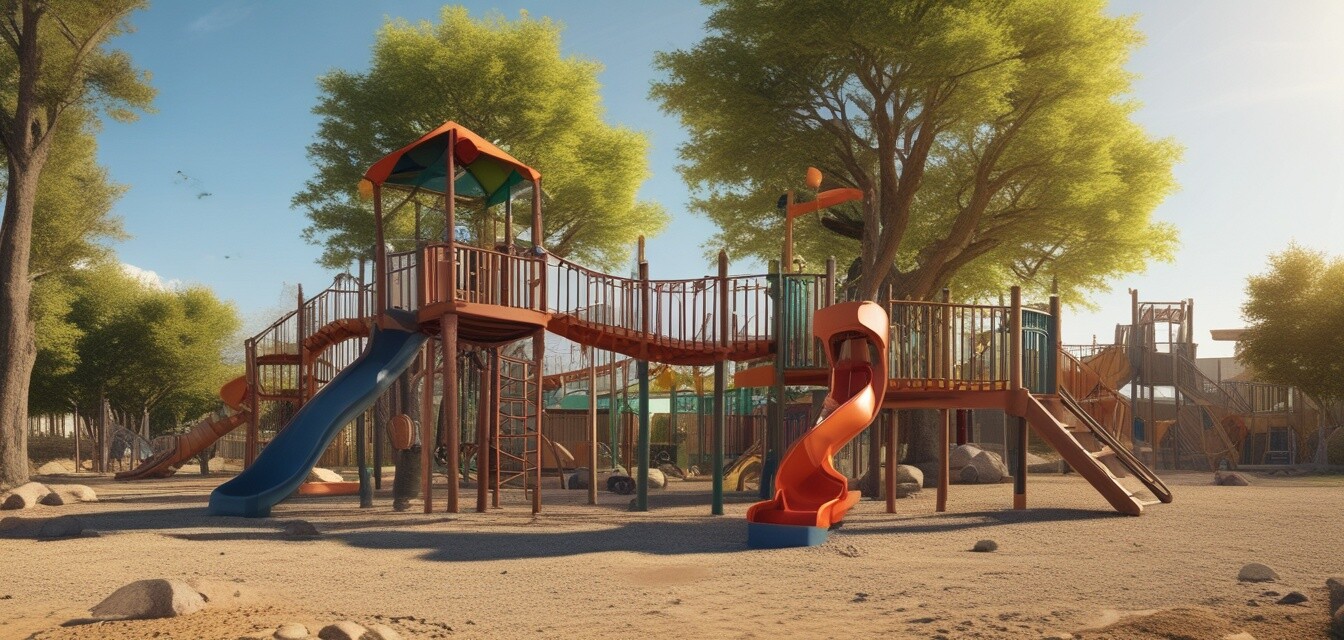
Managing Risks in Adventure-Based Play
Key Takeaways
- Adventure-based play encourages healthy risk-taking.
- Supervision and safety equipment are vital for safe play.
- Teaching children how to assess risk enhances their decision-making skills.
- Regularly inspect play equipment to ensure safety.
- Create a safe exploration environment that promotes confidence and independence.
Adventure-based play offers children a unique opportunity to explore, learn, and grow. However, with exploration comes the need for managing risks effectively. In this guide, we will delve into how to properly supervise children during adventurous activities and encourage safe risk-taking. Understanding these aspects can enhance your child's play experience while keeping safety a priority.
The Importance of Risk in Play
Engaging in adventure-based play enables children to face challenges and uncertainties, fostering resilience and problem-solving skills. Here’s how it impacts their development:
| Developmental Benefit | Description |
|---|---|
| Confidence Building | Facing and overcoming challenges helps build a child's self-esteem. |
| Physical Development | Climbing, jumping, and running develop motor skills and physical strength. |
| Cognitive Skills | Risk assessment fosters critical thinking and decision-making abilities. |
| Social Skills | Playing in groups teaches teamwork and effective communication. |
Supervised Exploration: A Safety Necessity
While adventure-based play is crucial, supervision ensures children's safety while they explore. Here are some practical tips for effective supervision:
- Always keep a close eye on children during playtime, especially in adventurous settings.
- Identify potential hazards in the play area and mitigate them before play begins.
- Encourage children to use proper safety gear, like helmets or pads, when necessary.
- Set clear boundaries and communicate safety rules appropriate for children’s age.
- Teach children how to ask for help if they feel unsafe or uncertain.
Encouraging Safe Risk-Taking
Encouraging children to take safe risks helps them grow. Here are some ways to foster this behavior:
Tips for Encouraging Safe Risk-Taking
- Start small by introducing manageable challenges that are slightly outside their comfort zone.
- Use positive reinforcement to acknowledge their efforts and achievements.
- Discuss the concept of risk with children, teaching them to evaluate potential consequences.
- Model safe risk-taking behavior by participating in some adventurous activities yourself.
- Encourage open communication about fears and anxieties, validating their feelings.
Best Practices for Outdoor Adventure Play
To create the safest environment for adventure-based play, here are vital practices to consider:
| Safety Practice | Description | Example |
|---|---|---|
| Regular Equipment Inspections | Check for wear and tear on play equipment. | Inspect climbing frames for loose bolts or frayed ropes. |
| Clear Emergency Procedures | Establish and communicate emergency protocols. | Have a first-aid kit and know how to use it. |
| Age-Appropriate Activities | Ensure that the challenges match children's abilities. | Use lower climbing structures for younger kids. |
| Safety Gear Usage | Encourage wearing protective gear during risky activities. | Helmets for biking or knee pads for skateboarding. |
Understanding the Risks
Managing risks in adventure-based play is about understanding both the potential dangers and the advantages of risky play. Here’s a visual breakdown:
Risk vs. Reward: A Visual Guide
- Risk: Physical injuries like sprains or bruises.
- Reward: Improved physical fitness and agility.
- Risk: Social conflicts with peers.
- Reward: Enhanced social skills and friendships.
- Risk: Exposure to environmental elements.
- Reward: Appreciation for nature and outdoor skills.
Conclusion
Adventure-based play presents an incredibly enriching opportunity for children when approached correctly. By effectively managing risks through supervision, communication, and preparation, you can provide a secure environment for children to explore and learn. Remember, a little risk can pave the way for a great reward in your child’s development.
Pros
- Encourages exploration and independence
- Develops essential life skills
- Promotes physical fitness
Cons
- Potential for minor injuries
- Requires constant supervision
- Can be challenging to manage risk effectively
Further Reading
For more insights on keeping your children safe during outdoor activities, check out our related articles: