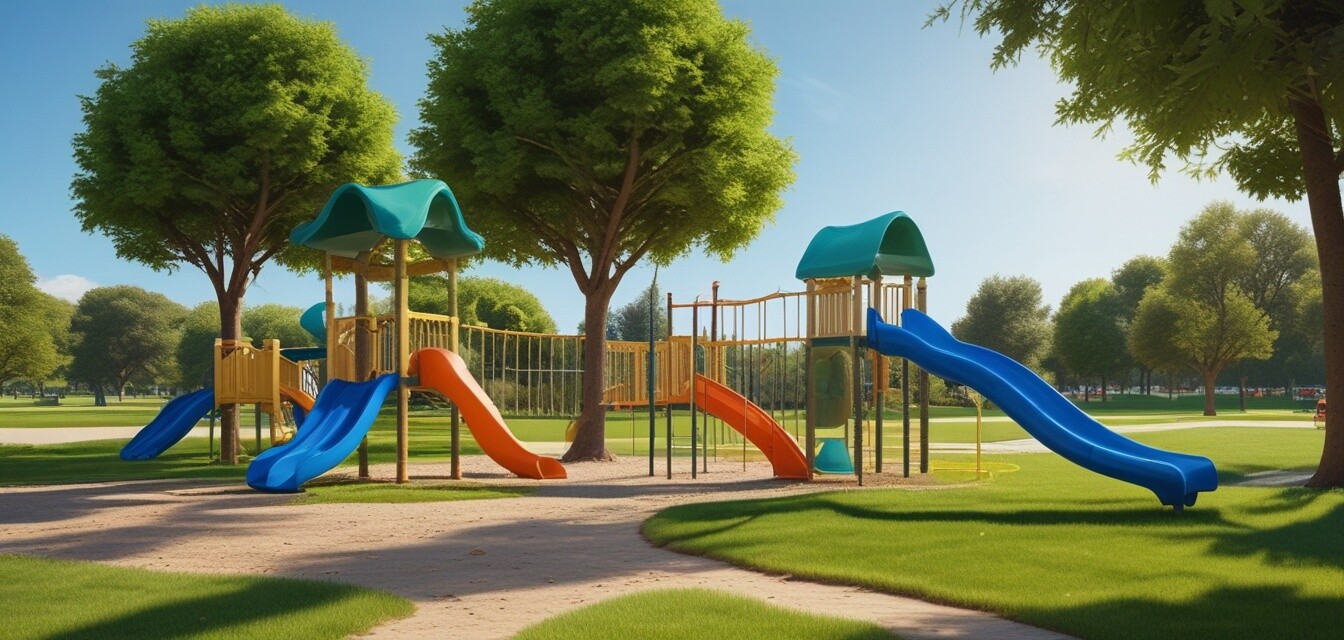
Identifying Safe Areas for Outdoor Play
- Check visibility: Ensure the area is easily visible from a distance.
- Inspect flooring: Soft surfaces are crucial for reducing injury risks.
- Assess equipment: Regularly check for upkeep and maintenance.
- Consider location: Choose spots away from heavy traffic and hazards.
- Teach safe practices: Educate children about safety rules while playing.
When it comes to outdoor play, safety is a top priority for parents. Identifying safe areas for children to engage in play can seem challenging, but there are a few key factors to consider that help ensure a fun and secure environment. From visibility to flooring, proper assessment can significantly reduce risks during playtime. In this article, we explore essential tips for parents to help them identify safe outdoor areas for their kids.
Visibility Matters
Ensuring that a play area is visible from a distance is crucial. This factor helps parents keep an eye on their children while providing them the freedom to explore. A visible space allows for quick intervention in case of any accidents or risky behavior.
Key Points for Visibility
- Choose areas with open sight lines.
- Avoid spots with dense trees or barriers.
- Consider locations that have adult supervision available.
Examining the Flooring
The type of flooring in a play area can have a tremendous impact on safety. Soft surfaces help in cushioning falls, which is especially important for young children who are prone to accidents while playing.
Recommended Flooring Types
| Type of Flooring | Benefits |
|---|---|
| Grass | Natural cushion; requires maintenance but is environmentally friendly. |
| Rubber mats | Excellent impact absorption; easy to clean and maintain. |
| Sand | Soft landing; encourages sensory play but may require regular refills. |
| Wood chips | Natural looking and offers cushioning; can settle over time. |
Equipment Upkeep
Regularly checking the condition of play equipment is vital. It ensures that the structures are safe and reliable for children. Here are some things to inspect:
Equipment Check Checklist
- Look for any visible damage or wear and tear.
- Ensure that swings and slides are securely anchored.
- Inspect surfaces for cracks or sharp edges.
- Verify all moving parts are functioning smoothly.
Choosing the Right Location
Not all outdoor spaces are created equal. Consider the surroundings when choosing a play area. Locations positioned away from heavy traffic, dangerous equipment, or water hazards will provide a safer environment for children.
Ideal Locations
- Parks with designated play areas.
- Backyards that are fenced off from streets.
- Community centers with supervised play spaces.
Educating Children About Safety
Teaching children about safety rules is an essential part of outdoor play. Helping them understand potential dangers and encouraging them to follow established guidelines can significantly reduce the risk of accidents. Here are some tips:
Safety Tips for Kids
- Always stay within sight of a trusted adult.
- Do not push or shove while playing.
- Follow all posted rules in the play area.
- Be mindful of equipment use and wait for your turn.
Additional Resources
For further reading on outdoor play safety, consider checking out our articles on safety tips and buying guides for children's outdoor toys. Understanding the best practices and available options can significantly aid you in promoting a safer play environment.
Pros
- Fostering independence in children through safe play.
- Encouraging physical activity.
- Promoting social interactions among peers.
Cons
- Potential for injury if safety is neglected.
- Maintenance of playgrounds can be costly.
- Some locations may not be accessible to all communities.
Final Thoughts
Identifying safe outdoor areas for children to play is a multifaceted task that involves careful consideration of visibility, flooring, equipment condition, and location. By taking the time to assess these factors, you can provide your children with a supportive and secure environment for their outdoor play experiences.