First Aid Tips for Common Outdoor Play Injuries
Outdoor play is essential for children's development, encouraging physical activity, creativity, and social skills. However, with the excitement of running, climbing, and exploring, injuries can happen. Being prepared with basic first aid knowledge helps ensure safety and quick actions during such incidents. This article covers essential first aid tips for parents to manage common outdoor play injuries effectively and when it's necessary to seek further help.
Key Takeaways
- Learn to recognize and treat common outdoor injuries, including cuts, scrapes, and sprains.
- Know the first aid essentials to keep on hand during outdoor play.
- Understand when to seek professional medical help.
- Use preventive measures to reduce the likelihood of injuries during outdoor activities.
Common Outdoor Injuries
Outdoor activities may lead to various types of injuries. Below is a summary of common outdoor play injuries:
| Injury Type | Description |
|---|---|
| Cuts and Scrapes | Minor injuries caused by falling or scraping against rough surfaces. |
| Sprains | Injuries resulting from twisting or overstretching a joint. |
| Bruises | Discoloration caused by bleeding under the skin after a fall or impact. |
| Insect Bites | Reactions caused by insect stings or bites, leading to swelling and discomfort. |
| Sunburn | Damaging skin from excessive sun exposure. |
Essential First Aid Supplies
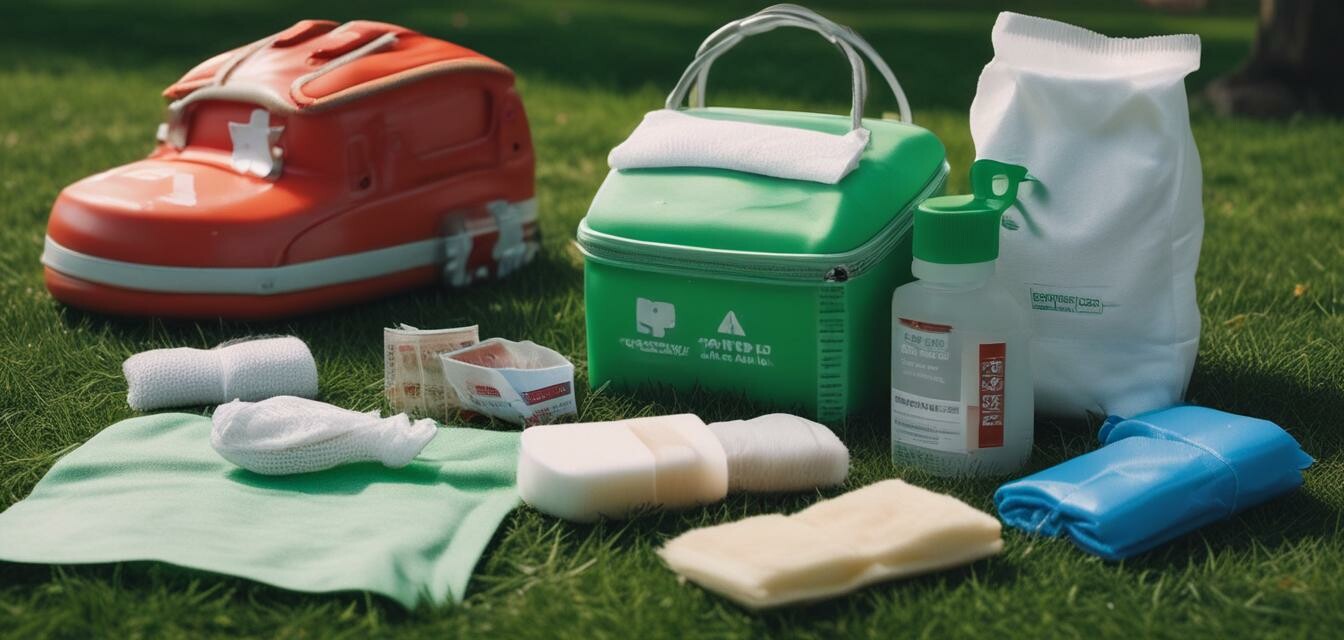
Having the right first aid supplies can make a significant difference in promptly addressing injuries. Here is a list of essential items to pack for outdoor excursions:
- Adhesive bandages
- Gauze pads and wrap
- Antiseptic wipes or solution
- Ice pack
- Tweezers for splinters or insect stings
- Hydrocortisone cream for itching
- Medication for allergies or pain relief
First Aid Tips for Common Injuries
Here are some first aid tips for treating common outdoor injuries:
Cuts and Scrapes
- Clean the wound gently with water to remove dirt and debris.
- Apply antiseptic to prevent infection.
- Cover the injury with an adhesive bandage or gauze.
- Monitor for signs of infection, such as redness or swelling.
Sprains
- Keep the injured area elevated.
- Apply ice to reduce swelling (20 minutes on, 20 minutes off).
- Compress the area with a bandage.
- If pain persists or severe swelling occurs, consult a physician.
Bruises
- Apply ice to the area immediately after the injury.
- Keep the affected area elevated.
- Monitor for any changes in color or swelling.
- Consult a doctor if the bruise does not improve or pain worsens.
Insect Bites
- Remove the stinger, if present, using tweezers.
- Clean the bite area with soap and water.
- Apply a cold pack to alleviate swelling.
- Give over-the-counter antihistamines for itching. Seek medical attention if there are severe reactions or symptoms.
Sunburn
- Cool the sunburned skin with a cool bath or damp cloth.
- Apply moisturizing lotion or aloe vera gel to soothe the skin.
- Drink plenty of water to stay hydrated.
- If the sunburn is severe, consult a healthcare provider.
When to Seek Help
While many outdoor play injuries can be treated at home, it's vital to recognize when to seek professional medical assistance. Here are situations when you should consult a doctor:
- The injury appears to be severe or deep.
- There is significant bleeding that won't stop.
- Signs of infection (increased redness, warmth, pus).
- The child cannot move the affected body part.
- Allergic reactions occur after insect bites.
Preventive Measures
While injuries may happen, certain preventive measures can help reduce their occurrence:
- Supervise children closely during play activities.
- Ensure appropriate safety gear is worn, such as helmets and pads.
- Check play equipment regularly for safety and maintenance.
- Encourage children to play in safe areas and teach them safe play practices.
- Apply sunscreen before heading outdoors to prevent sunburn.
Final Thoughts
Being prepared with first aid knowledge and supplies ensures that outdoor play remains a fun and safe experience for children. By familiarizing yourself with common injuries and proper care techniques, you're empowering your ability to respond effectively when accidents do occur. For more information on ensuring safe outdoor activities, visit our Safety Tips section.
Pros
- Knowledge of first aid boosts confidence in handling injuries.
- Preparedness can significantly reduce the incidence of infection.
- Immediate care can lead to faster recoveries.
- Understanding safety promotes a more enjoyable outdoor experience.
Cons
- Some injuries may require professional attention.
- Mismanagement of injuries can lead to complications.
- Not all outdoor play environments are safe, regardless of precautions.