Essential Safety Tips for Outdoor Play Equipment
- Regularly inspect play equipment for wear and tear.
- Ensure safe fall zones around play structures.
- Teach kids about safe play practices.
- Choose age-appropriate toys and equipment.
- Promote supervision while children play outdoors.
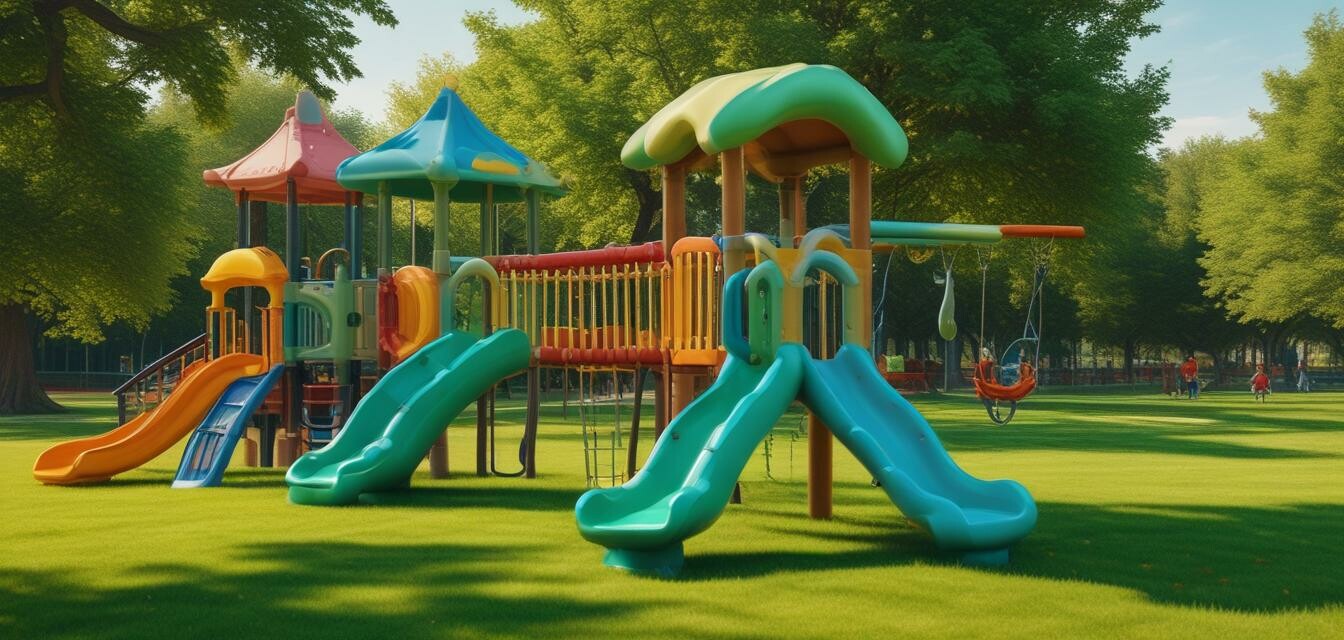
Outdoor play is a vital part of childhood, promoting physical activity, social skills, and creativity. However, safety should always be a top priority when children are playing outdoors. This article will guide you through the essential safety tips for outdoor play equipment, helping you ensure a secure environment for your kids while they enjoy their playtime. From inspecting equipment to teaching safe play practices, our tips will assist in mitigating risks associated with various outdoor toys and structures.
The Importance of Safety in Outdoor Play
Outdoor play provides numerous benefits, but it also comes with specific risks. By understanding these risks and implementing safety measures, you can greatly enhance your child's play experience. Not only does this lead to a more enjoyable day at the playground, but it also fosters a sense of responsibility and awareness in children about their environment.
Common Risks in Outdoor Play Equipment
| Risk | Description | Mitigation Strategy |
|---|---|---|
| Wear and Tear | Old or damaged equipment can lead to accidents. | Regular inspections and maintenance. |
| Improper Fall Zone | Equipment without proper safety zones can increase injury risk. | Ensure proper soft surfacing around all play equipment. |
| Overcrowding | Too many children on play equipment can lead to falls. | Supervise and limit the number of kids on each piece. |
| Inappropriate Use | Children may use equipment in unexpected ways. | Teach children how to use equipment correctly. |
Safety Tips for Outdoor Play Equipment
1. Regular Inspections
Inspect play equipment regularly for any signs of damage. Look for:
- Bent or broken parts
- Rust and corrosion
- Loose screws and bolts
- Wear on safety surfaces
2. Ensure Safe Fall Zones
Every piece of outdoor play equipment should have a safe fall zone. Follow these guidelines:
- Place soft materials such as mulch or rubber mats around swings and slides.
- Ensure that fall zones extend far enough from equipment to absorb falls.
- Avoid concrete or hard surfaces beneath play equipment.
3. Teach Safe Play Practices
Educate your children on how to play safely. Encourage them to:
- Use equipment as intended.
- Avoid pushing or shoving others.
- Wait their turn patiently.
4. Choose Age-Appropriate Equipment
Select outdoor toys and play equipment suitable for your child's age group. Check for appropriate age and weight limits on all products. For more guidance, refer to our buying guides to find suitable toys for your child’s age.
5. Promote Supervision
Always supervise children while they play outside. This helps you ensure they follow safety rules and play in a safe manner. Getting involved in their playtime can also make it more enjoyable and safe for both you and your child.
Conclusion
Safety should never be overlooked when it comes to outdoor play. By following these essential safety tips, parents and caregivers can ensure that children enjoy their playtime while minimizing risks. Regularly inspect equipment, choose age-appropriate toys, and promote safe playing habits to create a fun, secure environment. For additional tips and insights on outdoor play safety, visit our safety tips category.
Pros
- Encourages physical activity and outdoor exploration.
- Kids learn about taking responsibility for their safety.
- Parents become more aware of potential hazards.
Cons
- Requires constant supervision from adults.
- Maintenance may be time-consuming.
- Not all equipment is built to the same safety standards.
Tips for Beginners
- Prioritize safety in all play activities.
- Attend workshops or read materials on playground safety.
- Get involved with your child's play to understand their needs better.