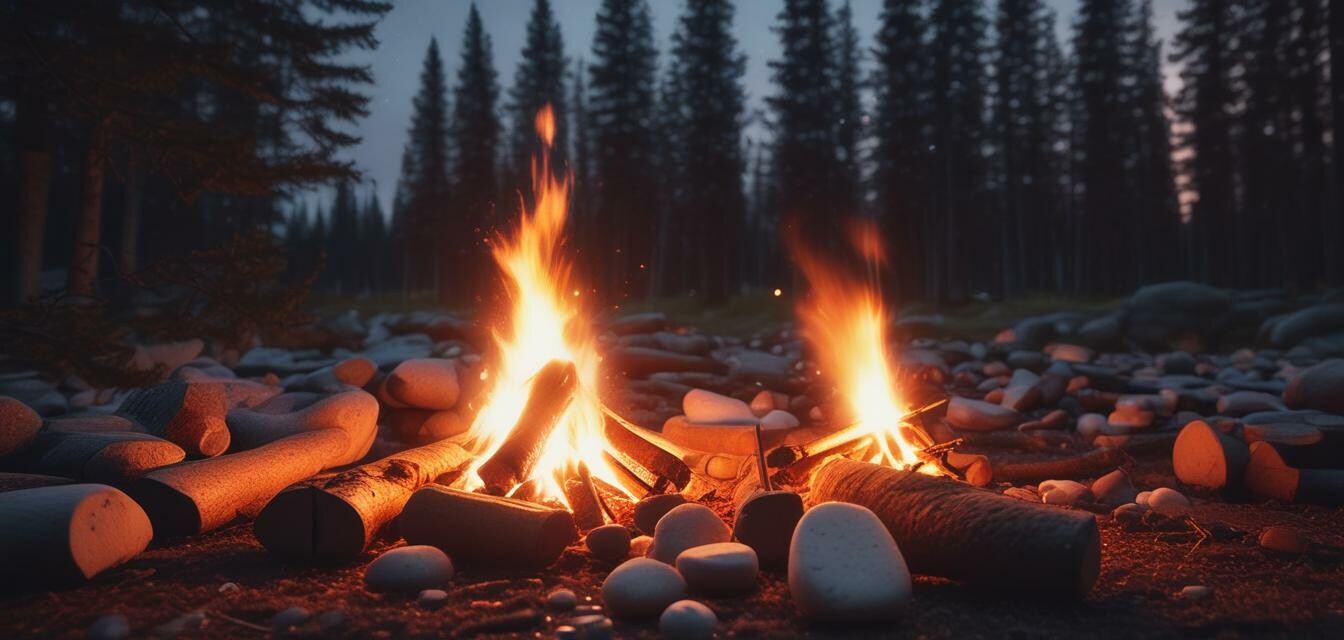
Best practices for outdoor campfire safety
Key Takeaways
- Always supervise children around campfires.
- Establish a safety perimeter and teach kids to respect the boundaries.
- Use appropriate equipment and materials for safe fire management.
- Be prepared with first aid knowledge and fire extinguishing methods.
- Educate your children on fire safety rules and emergency procedures.
Campfires can add magic to outdoor activities, providing warmth and the opportunity for families to bond over stories and roasted marshmallows. However, safety must come first, especially when children are involved. Below, you’ll find essential tips to ensure everyone enjoys a safe and fun campfire experience.
1. Setting up your campfire
The proper setup is crucial to prevent accidents. Follow these guidelines:
- Choose an open area away from overhanging branches and flammable materials.
- Use a designated fire pit or create a circular stone perimeter to contain the fire.
- Ensure you have water or a fire extinguisher nearby to extinguish the fire if needed.
2. Safety perimeter
Creating a safety zone around the campfire is essential:
- Establish a 5-foot radius around the fire that is off-limits to children.
- Use cones, ropes, or even rocks to mark this area visually.
- Teach children the importance of staying outside this safety perimeter.
3. Supervision is key
Never leave children unattended near the campfire. Implement these practices:
- Assign an adult to supervise at all times.
- Encourage kids to engage in other fun activities while the fire is going, but within sight.
- Discuss the rules and consequences of unsafe behavior near the fire.
4. Safe materials for your fire
Using the right materials ensures safety and effectiveness:
| Material | Safety Level | Notes |
|---|---|---|
| Dry wood | High | Use seasoned wood to minimize sparks. |
| Kindling (small sticks) | High | Select dry kindling for easier ignition. |
| Accelerants (like gasoline) | Low | Avoid using accelerants due to explosion risks. |
| Plastic or trash | Very Low | Never use plastic as it releases toxic fumes. |
5. Fire extinguishing methods
Knowing how to put out the fire properly ensures safety:
- Allow the fire to burn down to ashes.
- Pour water on the ashes slowly and stir until cooled.
- Alternatively, use dirt or sand to smother the flames.
6. First aid and emergency procedures
Preparing for accidents can save lives. Consider the following:
- Keep a first aid kit handy, including burn ointment.
- Know basic first aid for burns and cuts.
- Have an emergency plan in place in case of serious incidents.
7. Educating children on fire safety
Teaching children about fire safety is essential:
- Discuss the dangers of fire and its unpredictable nature.
- Teach children to always ask an adult when they want to gather wood or approach the fire.
- Encourage them to report unsafe behavior or anything that seems wrong.
Tips for a successful campfire experience
- Create a fun campfire storytime, engaging kids through storytelling.
- Plan easy roasting foods like marshmallows, hotdogs, or corn on the cob.
- Encourage kids to make s'mores, including them in the preparation.
- Designate a space for games and activities away from the fire for added safety.
Conclusion
By following these best practices for campfire safety, you can ensure a fun-filled outdoor experience for your family. Emphasizing safety before and during campfire nights will not only create memorable moments but foster valuable outdoor skills in your children. Remember, a little bit of caution goes a long way in keeping everyone safe while enjoying nature together.
Pros
- Engages family bonding through shared activities.
- Encourages outdoor skills and learning.
- Provides warmth and comfort during outdoor events.
Cons
- Risk of accidents if safety measures are disregarded.
- Potential for wildfires if not managed correctly.
- Requires supervision, limiting adult relaxation time.