How to Create a Multi-Functional Outdoor Play Space
Key Takeaways
- Incorporate various activity zones to cater to different interests.
- Ensure safety features and materials are age-appropriate.
- Consider flexibility to accommodate seasonal changes.
- Choose durable and weather-resistant equipment.
- Maximize the use of natural resources like shade and greenery.
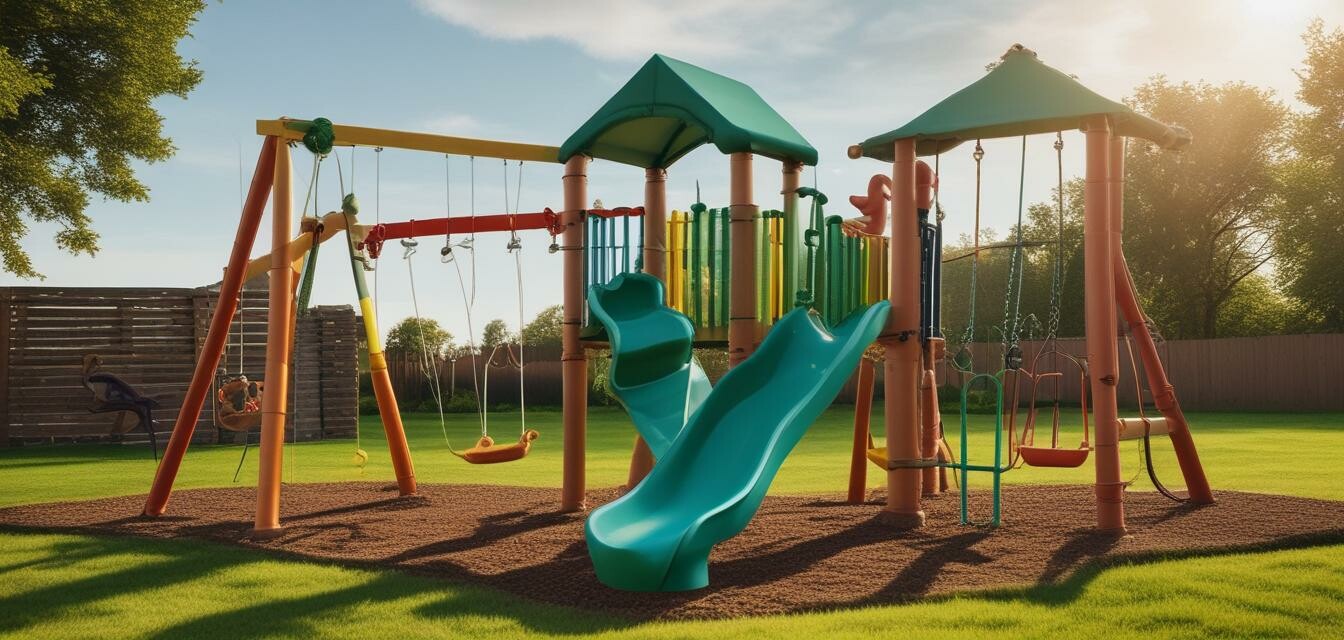
Designing a multi-functional outdoor play space is a wonderful way to promote an active lifestyle for your children. With the right planning, you can create a vibrant and engaging area that allows for various activities such as climbing, sliding, and even relaxing in the sun. This comprehensive guide will walk you through how to establish a versatile play area that aligns with your child's interests and your family's lifestyle.
Why create a multi-functional outdoor play space?
A multi-functional outdoor play space can accommodate a wide range of activities, providing kids with endless opportunities for fun and creativity. By bringing together different play zones, you can:
- Encourage physical activity through various types of play.
- Foster social interaction among friends and siblings.
- Allow for exploration and imaginative play.
- Make the most of your outdoor space, regardless of size.
Essential components of a successful outdoor play area
When designing your outdoor play area, it's essential to include various features that cater to different activities. Here are some key components to consider:
| Component | Description | Benefits |
|---|---|---|
| Climbing structures | Engaging and safe climbing features. | Builds strength and coordination. |
| Outdoor games | Activities like tetherball, cornhole, or giant Jenga. | Encourages teamwork and social skills. |
| Ride-on toys | Vehicles that children can ride and propel. | Boosts motor skills and balance. |
| Sandboxes | A designated area for imaginative sand play. | Enhances creativity and sensory play. |
| Water play gadgets | Sprinklers, splash pads, or small water tables. | Provides refreshment and exploration on warm days. |
| Sports equipment | Items like soccer balls, basketball hoops, or frisbees. | Encourages teamwork, competition, and fitness. |
Designing Your Space
Once you understand the components essential for an engaging outdoor play space, the next step is to design it practically and comfortably. Here are some tips to guide you through the process:
1. Assess your space
Start by evaluating the area you wish to utilize for your play space. Consider the following:
- Size of the area
- Natural shade (trees, awnings)
- Surface type (grass, concrete, dirt)
- Accessibility and visibility from your home
2. Create activity zones
Think about categorizing your play space into zones based on activities:
- Active Zone: Include climbing structures and sports equipment for physical engagement.
- Creative Zone: Set aside an area for sandboxes and water play gadgets to stimulate creativity.
- Social Zone: Integrate outdoor games where children can gather and interact.
3. Prioritize safety
Safety is paramount, especially when children are playing outside. Here are a few safety considerations:
- Ensure all equipment is age-appropriate and installed correctly.
- Use soft materials like mulch or rubber mats under climbing structures.
- Maintain a clean and organized space to avoid injuries.
Tips for beginners
- Start small: If you're working with limited space or budget, prioritize a few key components.
- Get your kids involved: Ask for their input on what they would like to include.
- Plan for the seasons: Include activities that can transition through warm and cold months.
- Accessorize: Use cushions, outdoor decor, and shade options to give the space personality.
Maintaining Your Outdoor Play Space
Once your outdoor play area is set up, it's crucial to keep it well-maintained. Here are some tips for maintenance:
- Regularly inspect play equipment for wear and tear.
- Clean surfaces and refresh safety materials as needed.
- Clear the area of debris to prevent accidents.
- Consider seasonal decorations or themes to keep the space exciting.
Conclusion
A multi-functional outdoor play space offers your children endless opportunities for enjoyment and creativity. By incorporating a range of play features, you can create an engaging environment that caters to their diverse interests. For additional advice on outdoor play equipment, feel free to explore our buying guides for insights on what may best suit your family's needs. Get ready to watch your children thrive as they play, learn, and explore in their new outdoor oasis!
Pros
- Promotes physical activity among children.
- Encourages creativity and teamwork.
- Customizable to fit your yard and preferences.
- Provides endless entertainment options.
Cons
- Initial setup costs may be high.
- Requires ongoing maintenance to ensure safety.
- Space limitations may restrict design options.