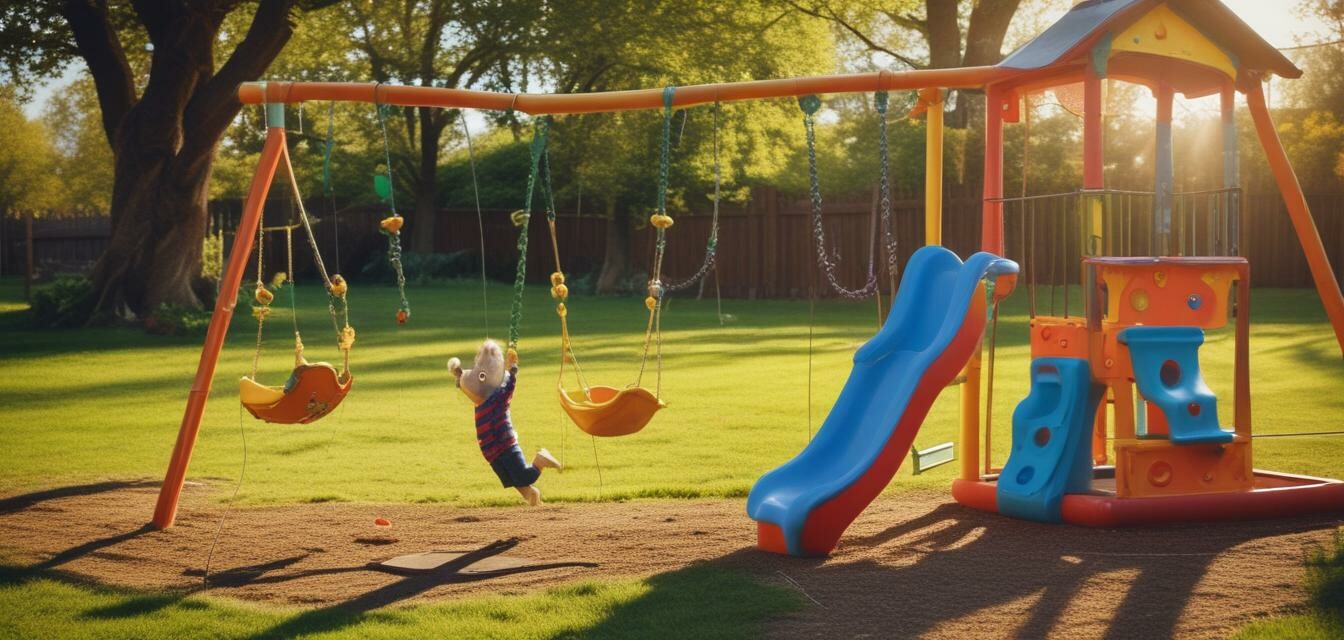
A Parent's Guide to Choosing Age-Appropriate Play Equipment
- Understand the importance of age-appropriate play equipment for child development.
- Different age groups require varied play equipment functionality and safety.
- Key features to consider include material safety, equipment size, and activity level.
- Exploring product categories can help in making informed choices. Check out our selection on climbing structures and outdoor games.
Choosing the right outdoor play equipment for your children is crucial for promoting physical activity and supporting their development. With an array of products available, knowing what to select based on your child's age can sometimes be overwhelming. This guide will walk you through various considerations and specific categories to help make your decision process easier.
Importance of Age-Appropriate Play Equipment
Age-appropriate play equipment is designed to meet the developmental needs of children at different stages. Here are a few key reasons to prioritize it:
- Ensures safety during playtime, reducing the risk of injuries.
- Encourages skill development and enhances confidence.
- Promotes social interaction and teamwork among peers.
Age Groups and Their Needs
Each age group has distinct preferences and developmental needs. Below is a table that breaks down the recommended play equipment according to age:
| Age Group | Recommended Equipment | Key Features |
|---|---|---|
| 0-2 years | Baby swings, soft play mats | Soft materials, low height, safety harnesses |
| 3-5 years | Slides, climbing structures | Sturdy construction, colorful designs, easy access |
| 6-8 years | Trampolines, sports equipment | Durability, multiple users, height adjustability |
| 9+ years | Advanced climbing frames, bikes | Increased height, complexity, and safety features |
Key Features to Look For
When choosing outdoor play equipment, consider the following features:
- Material Safety: Ensure equipment is made from non-toxic, durable materials.
- Size Appropriateness: Equipment should suit your child's height and age for optimal safety.
- Activity Level: Select equipment that promotes physical activity to foster an active lifestyle.
- Storage and Maintenance: Consider how easy it is to store and maintain the play equipment.
Popular Types of Outdoor Play Equipment
Understanding the different types of play equipment available can aid in making easy comparisons:
| Type | Key Benefits | Age Group |
|---|---|---|
| Climbing Structures | Enhances physical strength and coordination. | 3-8 years |
| Ride-On Toys | Improves gross motor skills and encourages imaginative play. | 1-5 years |
| Sandboxes | Encourages creativity and sensory play. | 2-6 years |
| Water Play Gadgets | Promotes fun and learning about water dynamics. | 3-7 years |
Safety Tips for Outdoor Play
Safety is paramount in outdoor play. Here are some essential tips to ensure your child's safety while they enjoy their play equipment:
- Always check for age recommendations and guidelines provided by the manufacturer.
- Regularly inspect the equipment for any signs of wear or damage.
- Supervise playtime, especially with younger children around more complex equipment.
- Teach children the importance of taking turns and sharing toys.
Conclusion
Choosing age-appropriate play equipment is vital for fostering a child's growth and ensuring their safety. By considering the equipment's functionality, safety features, and suitability, you can make informed decisions that lead to enjoyable experiences for your children. For more insights on outdoor play, explore our comprehensive guides on buying guides and safety tips.
Pros
- Supports physical development and coordination.
- Encourages creativity and social skills.
- Provides endless hours of fun in a safe environment.
Cons
- Initial cost can be high depending on the type of equipment.
- Requires space for installation and use.
- Maintenance and safety checks are necessary to ensure longevity.