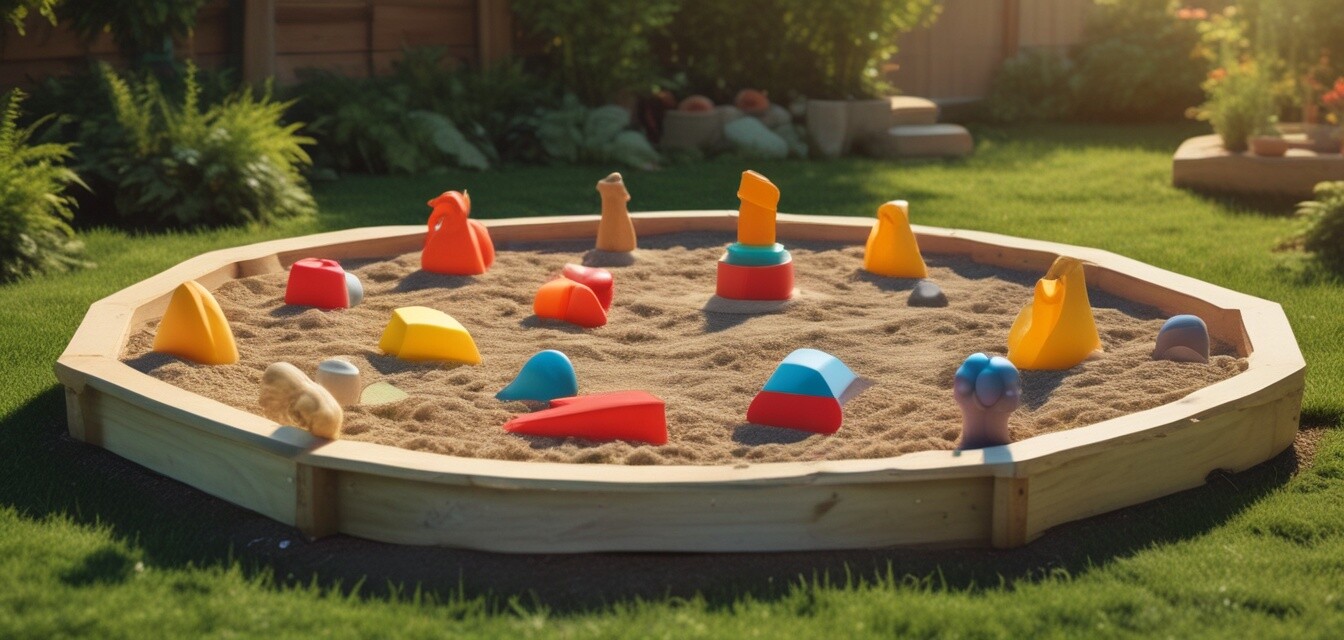
How to Choose the Right Sandbox for Your Backyard
Key Takeaways
- Prioritize size and space for multiple kids to play.
- Select durable and safe materials for longevity.
- Consider built-in features for additional play value.
- Pay attention to safety features for worry-free fun.
Sandboxes are a fantastic way to encourage outdoor play and creativity in children. They not only provide a space for imaginative play, but they also help develop fine motor skills. However, choosing the right sandbox for your backyard can be a challenge with so many options available. This guide will walk you through essential factors to consider, like size, material, and safety features, ensuring you find the perfect sandbox for your children.
Why Choose a Sandbox?
A sandbox can be more than just a box of sand. It serves as a space for sensory play, social interaction, and various learning opportunities. Research has shown that playing with sand stimulates imagination and encourages creative problem-solving among children.
Types of Sandboxes
| Type | Description | Pros | Cons |
|---|---|---|---|
| Traditional | Wooden or plastic box filled with sand. | Great for digging and building. | Can require maintenance over time. |
| Covered | Sandboxes with lids to keep debris out. | Cleaner and safer when not in use. | May lack accessibility if not designed well. |
| Sandbox with Seats | Sandpit that includes built-in seating for children. | Encourages social interaction. | Can take up more space. |
Factors to Consider When Choosing a Sandbox
1. Size and Capacity
Before purchasing a sandbox, measure the space in your backyard to ensure it fits comfortably.
- Consider how many children will be playing at once.
- A larger surface area allows for more kids to play together.
- Fit around other yard features, like landscaping or furniture.
2. Material
Different materials offer various benefits:
- Wood: Natural look, sturdy but may require treatment against rot.
- Plastic: Lightweight, durable, and easy to clean.
- Metal: Long-lasting but can heat up in the sun.
3. Safety Features
Ensuring your child's safety while playing is paramount. Look for:
- Rounded edges and no sharp corners.
- Drainage holes to avoid stagnant water accumulation.
- Non-toxic materials.
Recommended Sandboxes
 Creative Play Gear
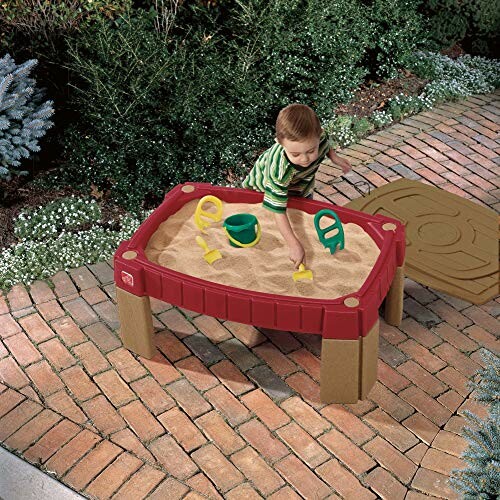
Step2 Naturally Playful Sand Table
A fantastic sensory play table with five accessories to inspire creativity while only needing minimal space.
Explore Now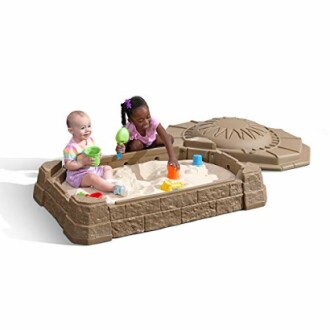 Family Fun Choice
Step2 Naturally Playful Sandbox II
This sandbox features a sturdy lid and built-in seating, ideal for groups of kids to enjoy sand play together.
See ProductMaintaining Your Sandbox
To ensure long-lasting fun, proper maintenance is essential:
- Regularly remove debris and contaminants.
- Consider covering the sandbox when not in use, especially to keep animals out.
- Replace sand periodically to ensure it stays clean and safe.
Conclusion
Choosing the right sandbox can transform your backyard into a fun and safe play haven for your kids. By considering factors like size, material, safety features, and maintenance, you can find a sandbox that will provide endless entertainment and learning experiences. For further insights, check out our articles on Outdoor Playsets and Safety Tips for Outdoor Play.
Tips for Beginners
- Visit stores to get a feel of different sandboxes before purchasing.
- Get input from your kids on what features they would enjoy!
- Consider your local climate when choosing materials.